Unveiling the Top Day Excursions from London's Heart

The Majestic Stone Circles: More Than Just Stonehenge
Historical Mysteries and Modern Discoveries
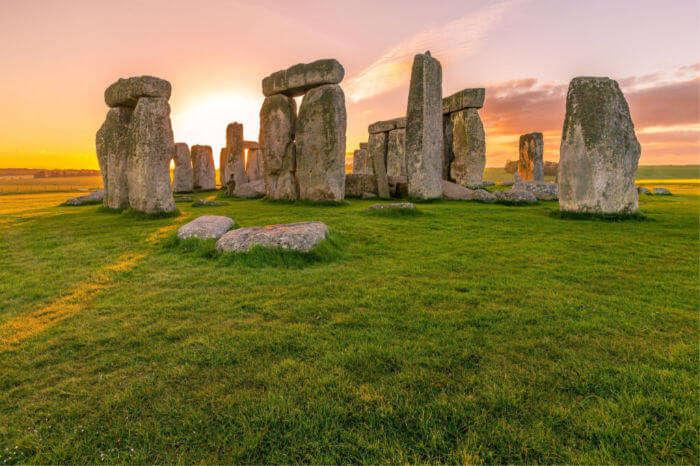
England's countryside is strewn with ancient monuments, many shrouded in mystery. The stone circles, dots on the landscape of British history, span far beyond the iconic outcrop of Stonehenge. Each formation whispers tales of a past that interleaves myth with archeological evidence. While Stonehenge garners most of the attention, sites like Avebury, the Rollright Stones, and the lesser-known but equally compelling Castlerigg provide context to Stonehenge’s prominence and offer a more intimate encounter with prehistoric Britain.
Recent discoveries at these sites have shed light on their purpose, ranging from ceremonial rituals to astronomical alignments. Yet something intangible remains, leaving visitors to muse on the efforts it took to create these megalithic wonders. Their enigma heartens those with a penchant for history and mythology, making a day trip to these sites a journey of intrigue and exploration.
Navigating from London: Tips and Transport
To step into the world of ancient stone circles is to embark on a sojourn through scenic routes and past charming villages. From London's bustling streets, the excursion to these far-flung historic sites is well worth the travel it necessitates. Here’s how you can navigate your day trip:
Choose Your Destination: Select a stone circle to visit. Consider Stonehenge for its fame, Avebury for its accessibility, or other circles for a quieter experience.
Research the Route: Determine whether you will drive, take a coach, or journey by train. Factor in the distance and travel time in your planning.
Book in Advance: Secure tickets for entry to the sites and for your chosen mode of transportation to avoid last-minute scrambles.
Prepare for the Weather: The English climate is unpredictable. Dress in layers and carry rain gear, regardless of the season.
Respect the Site: These ancient monuments deserve reverence. Follow guidelines, don't litter, and leave everything as you found it.
To further assist your travel plans, here is a comparison table for quick reference on routes to popular stone circle destinations:
Destination | Distance from London | Transport Options | Approx. Travel Time | Entrance Fee |
|---|---|---|---|---|
Stonehenge | 88 miles | Train, Coach, Car | 1.5 - 2 hours | Yes |
Avebury | 85 miles | Train, Bus, Car | 2 hours | No |
Rollright Stones | 95 miles | Bus, Car | 2 - 2.5 hours | Suggested Donation |
Castlerigg | 290 miles | Train, Car | 4 - 5 hours | No |
Cultural Immersion in Bath: A Blend of Ancient and Modern
Unwind in Historic Roman Baths
Step back into history and soak in the rich heritage of Bath at the iconic Roman Baths. These well-preserved remnants from the ancient world offer a unique peak into the life and times of Roman Britain. The site, revered for its thermal springs, continues to draw visitors who marvel at the blend of original Roman engineering and Victorian presentation. Take a guided tour or wander at your own pace through the Sacred Spring, Roman Temple, and bathing complex, where you'll be stepping on the ancient stones that have been trodden upon for centuries.
As you learn about the rituals and significance of these thermal waters, you can't help but imagine the generations that have convened here, seeking wellness and social interaction. Though bathing is no longer permitted in the original Roman Baths, the experience is no less immersive—with actors in period attire and interactive exhibits, you'll be transported through time, part of a continuum of visitors spanning two millennia.
Architectural Marvels: From the Royal Crescent to Pulteney Bridge
Bath's skyline tells a story of architectural evolution, filled with masterpieces that span centuries. Among its crown jewels is the Royal Crescent, a stunning example of Georgian architecture. This sweeping arc of grand townhouses, arranged in a perfect crescent, has been a symbol of elegance since the 18th century. Contemplate the symmetry and beauty of this structure, and make sure to marvel at the uniform facades, which hide individual interior designs of historical and cultural significance.
Conclude your architectural tour at Pulteney Bridge, one of the world's few bridges lined with shops. As you traverse this bridge, take a moment to appreciate the seamless blend of commerce and structure. The Avon River underneath and the orchestrated sound of the cresting weir offer a tranquil yet remarkable setting—one that echoes the Venetian Ponte di Rialto, yet is distinctly Bath's own.
Must-See Architectural Sites in Bath | ||||
Site | Style | Era | Feature | Notable Fact |
|---|---|---|---|---|
Royal Crescent | Georgian | 18th Century | Crescent-shaped row of terraced houses | Designed by the architect John Wood, the Younger |
Pulteney Bridge | Neoclassical | 1774 | Shop-lined bridge | One of four bridges in the world with shops across the full span on both sides |
Bath Abbey | Gothic | Founded in the 7th Century, rebuilt in the 12th and 16th centuries | Fan vaulting | The last medieval church in England to be built |
The Circus | Georgian | 1768 | Circular space surrounded by large townhouses | Inspired by the Colosseum in Rome |
Oxford: The City of Dreaming Spires
An Intellectual Journey through University Grounds
Oxford's celebrated university sprawls across the city in an amalgamation of historical architecture and vibrant intellectual life. A walking tour of the various colleges unlocks a world of gothic towers, manicured quadrangles, and grandiose chapels. Wander through the halls of the famous Bodleian Library, climb the Carfax Tower for unrivaled views, and meander through the Oxford Botanic Garden, a serene retreat with roots reaching back to 1621.
Visiting the prestigious colleges of Oxford University can be an enlightening experience. Discover the cloistered charms of Christ Church, whose hallowed halls have inspired countless scholars. Meander through the timeless stone cloisters of Magdalen College, renowned for its harmonious Tudor architecture and verdant deer park.
At the heart of the university, the Radcliffe Camera stands as an icon of English Palladian architecture. Here, the interplay between learning and leisure reaches its peak, with students and academics contemplating amidst the shadow of awe-inspiring spires.
Literary Landmarks and Pub Crawls
Oxford's literary heritage is as rich as its academic pedigree. Meander down cobbled alleyways and visit the haunts of literary giants like J.R.R. Tolkien and C.S. Lewis, who penned their iconic works within this inspiration-infused city. The Eagle and Child pub, affectionately known by locals as 'The Bird and Baby', hosted the legendary gatherings of 'The Inklings', an informal literary group dedicated to the love of narrative.
Venture on to discover Blackwell’s Bookshop with its labyrinthine Norrington Room, which holds the record for the largest single room selling books in the world. A map of must-visit spots, including these bookish landmarks, can be created to guide your literary pilgrimage.
For those seeking a tipple of tradition, Oxford's historic pubs are not to be missed. Each pub offers a unique slice of history, paired with a rich selection of ales and spirits. Here's a guide to a classic Oxford pub crawl:
Pub | Historical Note | Famous Patrons | Recommended Tipple |
|---|---|---|---|
The Eagle and Child | Gathering place for 'The Inklings' | J.R.R. Tolkien, C.S. Lewis | Local Ale |
The Lamb and Flag | Opposite The Eagle and Child | Thomas Hardy, Graham Greene | Cider |
The King’s Arms | Oldest pub in Oxford | Traditional Stout | |
The Turf Tavern | Hidden gem with medieval foundations | Bill Clinton, Stephen Hawking | Fine Whiskey |
To partake in Oxford’s pub culture, follow this simple step-by-step guide to enjoying a historical pub crawl:
Start early: Begin your journey by midday to savor each location.
Hydrate: Drink water between stops to stay refreshed.
Savor small sips: Opt for half pints or tasting measures to fully experience the variety.
Nibble: Pair ales with local snacks or pub grub to balance the palate and sustain the journey.
Move with purpose: Stick to your mapped route, but allow time to soak in the ambiance of each establishment.
Reflect and record: Take a moment in each pub to note your impressions of the drink, decor, and ambience.
Respect the history: Engage with locals and bar staff for stories that bring the past to life.
Plan your endgame: Ensure you have a route home from your final stop or book a nearby room to stay the night.
Windsor: Royal Abode and Verdant Retreats
Exploring Windsor Castle and the Changing of the Guards
Windsor Castle stands as a towering testament to British royal history, representing nearly a millennium of architectural evolution and aristocratic grandeur. A visit to this royal residence—a favored weekend retreat of Queen Elizabeth II—promises a journey through opulent state apartments, historical St. George's Chapel, and the enduring tradition of the Changing of the Guards ceremony.
Bearing witness to the Changing of the Guards is a spectacle of royal pageantry not to be missed. This time-honored ritual embodies the discipline and valor of the Queen's Guard as they assume responsibility for protecting the royal grounds. Here is a simplified guide for witnessing this regal event:
Check the schedule: The ceremony typically happens on specific days and times, which you can verify on the official Windsor Castle website before your visit.
Arrive early: Secure a spot for viewing by arriving at least an hour before the ceremony begins.
Position yourself strategically: Good vantage points are near the castle gates or along the Long Walk for the march of the guards.
Observe the ceremony: Enjoy the precision and splendor as the guards, accompanied by a band, perform their duties.
Explore after the spectacle: Once the guards have marched off, delve deeper into the castle's history with a guided tour.
Scenic Strolls in Windsor Great Park
Windsor Great Park offers a sublime escape to nature's embrace with its sweeping landscapes, ancient woodlands, and blooming gardens. Spanning thousands of acres, this verdant oasis once served as a private hunting ground for the monarchy but is now a cherished public haven for relaxation and recreation.
Take a leisurely walk among the towering oaks of the ancient forest, witness the seasonal splendor of The Savill Garden, or enjoy a picturesque picnic by the tranquil Virginia Water Lake. For the more adventurous, follow the meandering paths up to the Copper Horse statue for a panoramic view of Windsor Castle in the distance.
Highlights of Windsor Great Park | ||
Attraction | Season | Highlights |
|---|---|---|
The Savill Garden | Spring/Summer | Blooming rhododendrons, exotic plants, and ornamental flowers |
Virginia Water Lake | All Year | Serene water views, historical monuments, and cascading waterfall |
Deer Park | Autumn | Red and fallow deer, ancient oaks, and rich autumnal hues |
The Long Walk | All Year | Stately avenue framed by trees leading up to the castle |
The Copper Horse | All Year | Stunning views atop Snow Hill looking towards the castle |
Each turn in Windsor Great Park unveils a new landscape, a fresh perspective, and an opportunity for solace or adventure. Whether you come for the history-steeped monuments or the horticultural delights, the park's natural beauty ensures an enriching retreat from the bustle of everyday life.
Exploring Windsor Castle and the Changing of the Guards
Windsor Castle stands as a towering testament to British royal history, representing nearly a millennium of architectural evolution and aristocratic grandeur. A visit to this royal residence—a favored weekend retreat of Queen Elizabeth II—promises a journey through opulent state apartments, historical St. George's Chapel, and the enduring tradition of the Changing of the Guards ceremony.
Bearing witness to the Changing of the Guards is a spectacle of royal pageantry not to be missed. This time-honored ritual embodies the discipline and valor of the Queen's Guard as they assume responsibility for protecting the royal grounds. Here is a simplified guide for witnessing this regal event:
Check the schedule: The ceremony typically happens on specific days and times, which you can verify on the official Windsor Castle website before your visit.
Arrive early: Secure a spot for viewing by arriving at least an hour before the ceremony begins.
Position yourself strategically: Good vantage points are near the castle gates or along the Long Walk for the march of the guards.
Observe the ceremony: Enjoy the precision and splendor as the guards, accompanied by a band, perform their duties.
Explore after the spectacle: Once the guards have marched off, delve deeper into the castle's history with a guided tour.
Scenic Strolls in Windsor Great Park
Windsor Great Park offers a sublime escape to nature's embrace with its sweeping landscapes, ancient woodlands, and blooming gardens. Spanning thousands of acres, this verdant oasis once served as a private hunting ground for the monarchy but is now a cherished public haven for relaxation and recreation.
Take a leisurely walk among the towering oaks of the ancient forest, witness the seasonal splendor of The Savill Garden, or enjoy a picturesque picnic by the tranquil Virginia Water Lake. For the more adventurous, follow the meandering paths up to the Copper Horse statue for a panoramic view of Windsor Castle in the distance.
Highlights of Windsor Great Park | ||
Attraction | Season | Highlights |
|---|---|---|
The Savill Garden | Spring/Summer | Blooming rhododendrons, exotic plants, and ornamental flowers |
Virginia Water Lake | All Year | Serene water views, historical monuments, and cascading waterfall |
Deer Park | Autumn | Red and fallow deer, ancient oaks, and rich autumnal hues |
The Long Walk | All Year | Stately avenue framed by trees leading up to the castle |
The Copper Horse | All Year | Stunning views atop Snow Hill looking towards the castle |
Each turn in Windsor Great Park unveils a new landscape, a fresh perspective, and an opportunity for solace or adventure. Whether you come for the history-steeped monuments or the horticultural delights, the park's natural beauty ensures an enriching retreat from the bustle of everyday life.
Canterbury’s Medieval Charm
The Splendor of Canterbury Cathedral
Stepping into Canterbury, one's gaze is instantly drawn to the magnificence of its Cathedral, a beacon of Anglican faith and a tapestry of history. The spires of Canterbury Cathedral reach skyward, a silhouette that has dominated the skyline since its inception in the 11th century. Visitors entering this holy site will discover intricate stained glass windows, each a colorful narrative of biblical scenes and figures, illuminating the interior with an ethereal glow.
The nave, resplendent with Gothic architecture, invites the footsteps of pilgrims and tourists alike, echoing the ancient chants of monks who once roamed these aisles. The sense of sanctity is palpable, with the Martyrdom, a poignant space marking the spot where Archbishop Thomas Becket was gruesomely murdered in 1170. This historical act reverberated through time, transforming the Cathedral into a site of pilgrimage chronicled famously in Geoffrey Chaucer’s 'The Canterbury Tales'.
The journey through the Cathedral is incomplete without a pause to admire the majesty of the Bell Harry Tower - a masterpiece of English Perpendicular style. The Cloister and its manicured Chapter House gardens are a calm oasis, while the Crypt offers a glimpse into the oldest surviving part of the building, inviting reflection amid Romanesque columns and hushed ambience.
Tales from the Historical Pages: A Town Walk
Canterbury is a cobblestoned labyrinth where each turn takes you deeper into its medieval past. A guided town walk is an immersive step back in time, weaving stories that bring to life the buildings and byways of this historic enclave. The tales echo a rich tapestry of history – from invasions and intrigue to pilgrimage and pageantry.
Begin your journey at the Buttermarket, once the bustling heart of Canterbury's trade and now a charming plaza framed by heritage facades and the looming Cathedral gates. As you navigate the narrow passageways, be sure to visit the medieval Weaver's House with its riverfront views, and the bustling Eastbridge Hospital - which has offered refuge to pilgrims and travellers since 1190.
Your path should also lead you to the remnants of the Canterbury Castle, a Norman stronghold that whispers of sieges and royal visitors. The storied streets take you further to the Canterbury Tales attraction, which vividly re-creates the tales of Chaucer's characters with an interactive twist.
Location | Description | Historic Significance |
|---|---|---|
Buttermarket | Once the centre of commerce, now a picturesque square. | Gateway to the Cathedral, surrounded by historic architecture. |
Weaver's House | Cultural museum with views of the River Stour. | Illustrates Canterbury's once thriving textile industry. |
Eastbridge Hospital | Ancient almshouse with beautiful Gothic undercroft. | Provided hospitality to pilgrims since the 12th century. |
Canterbury Castle | Fragmented ruins of a once formidable Norman castle. | Key site in England's royal and military history. |
To truly absorb Canterbury's essence, the Town Walk must be savored, not rushed. Allow history to envelope you, pausing to admire the meticulous timber-framed buildings that house charming boutiques and cozy tearooms where one can rest and muse upon the layers of narrative that each cobblestone, wall, and window has witnessed. Canterbury is not just a glimpse into medieval England; it is a continuous story, ever enchanting, and waiting for you to write your own chapter in its enduring legacy.
The Nautical Narratives of Greenwich
Maritime Adventures at the Cutty Sark
Embark on a voyage through Britain's illustrious seafaring past with a visit to the legendary Cutty Sark. Once a swift tea clipper navigating the globe, this historic ship now rests in the heart of Greenwich as a museum open to the public. Climb aboard and witness the brilliant engineering that made her the fastest of her time, and explore the cargoes she carried, from tea and wool to tales of the high seas.
Within the Cutty Sark's hull lies an immersive experience, where visitors can walk beneath the aged wooden planks, touch the original iron framework, and imagine the roiling ocean waves just outside. The ship's decks offer interactive displays, live demonstrations, and character actors that bring to life the daily routines and extraordinary challenges faced by its 19th-century sailors.
Standing on Time: Greenwich Meridian and Observatory
Greenwich is not only pivotal in maritime history but also in the chronicles of time itself. Journey up the hill in Greenwich Park to the Royal Observatory, the site of the Prime Meridian, where east meets west at Longitude 0°.
As you stand with one foot in each hemisphere, discover the fascinating instruments and innovations that have shaped our measurement of time and space. The Observatory is not just a gateway to the past, it provides an incredible vista overlooking the London skyline—a reminder of how exploration and timekeeping have influenced our modern world.
Key Exhibits at the Royal Observatory | |
|---|---|
Flamsteed House | The original Observatory building, featuring John Harrison's groundbreaking timepieces. |
Great Equatorial Telescope | One of the world's largest refracting telescopes, giving a glimpse into the universe. |
The Time & Greenwich Gallery | Discover how the Greenwich Meridian was established and its impact on modern navigation. |
The Camera Obscura | A historic device that offers a unique view of the surrounding area. |
Before leaving the Observatory, ensure you check the time against the Shepherd Gate Clock, an early example of electric public timekeeping. As you travel through Greenwich, you're not only walking through a borough of London but through the pages of time that continue to influence our journeys across the oceans and into the stars.
Maritime Adventures at the Cutty Sark
Embark on a voyage through Britain's illustrious seafaring past with a visit to the legendary Cutty Sark. Once a swift tea clipper navigating the globe, this historic ship now rests in the heart of Greenwich as a museum open to the public. Climb aboard and witness the brilliant engineering that made her the fastest of her time, and explore the cargoes she carried, from tea and wool to tales of the high seas.
Within the Cutty Sark's hull lies an immersive experience, where visitors can walk beneath the aged wooden planks, touch the original iron framework, and imagine the roiling ocean waves just outside. The ship's decks offer interactive displays, live demonstrations, and character actors that bring to life the daily routines and extraordinary challenges faced by its 19th-century sailors.
Standing on Time: Greenwich Meridian and Observatory
Greenwich is not only pivotal in maritime history but also in the chronicles of time itself. Journey up the hill in Greenwich Park to the Royal Observatory, the site of the Prime Meridian, where east meets west at Longitude 0°.
As you stand with one foot in each hemisphere, discover the fascinating instruments and innovations that have shaped our measurement of time and space. The Observatory is not just a gateway to the past, it provides an incredible vista overlooking the London skyline—a reminder of how exploration and timekeeping have influenced our modern world.
Key Exhibits at the Royal Observatory | |
|---|---|
Flamsteed House | The original Observatory building, featuring John Harrison's groundbreaking timepieces. |
Great Equatorial Telescope | One of the world's largest refracting telescopes, giving a glimpse into the universe. |
The Time & Greenwich Gallery | Discover how the Greenwich Meridian was established and its impact on modern navigation. |
The Camera Obscura | A historic device that offers a unique view of the surrounding area. |
Before leaving the Observatory, ensure you check the time against the Shepherd Gate Clock, an early example of electric public timekeeping. As you travel through Greenwich, you're not only walking through a borough of London but through the pages of time that continue to influence our journeys across the oceans and into the stars.
Brighton's Seaside Euphoria
Victorian Elegance: Brighton Pier and Pavilion
Immersed in a regal history, Brighton's iconic Victorian Pier and the Royal Pavilion stand as timeless emblems of this quintessential seaside town. The pier, extending into the embrace of the sea, offers a blend of old-world charm and modern-day excitement. Stroll along its deck and you'll find fairground attractions, arcade halls, and the scent of freshly-made doughnuts infusing the air with a sense of nostalgia.
The Royal Pavilion, a remarkable residence formerly owned by King George IV, showcases a stunning blend of Indian and Chinese architectural styles. Its opulent furnishings and detailed interiors can be explored on guided tours, revealing a glimpse into the lavish lifestyle of the British monarchy. The surrounding gardens provide a serene escape, a perfect place to enjoy a sunny afternoon promenade.
Indulgent Delights: Shops and Seafood
Meander through the vibrant network of alleyways and streets that make up The Lanes and North Laine, where independent boutiques and artisanal shops offer unique finds. From vintage apparel to handmade jewelry, every shop is a treasure trove waiting to be discovered. After an adventure of shopping, retire to one of Brighton's famed seafood restaurants, where the catch of the day is always on the menu.
A culinary tour of Brighton would be incomplete without sampling the local seafood. Experience a diverse array of dishes crafted from the freshest marine harvests. Restaurants and street vendors alike boast menus featuring everything from traditional fish and chips to gourmet seafood platters.
Step by Step Guide to Enjoying Brighton Seafood | ||
Step | Instruction | Tip |
|---|---|---|
1 | Choose a seaside restaurant or food stall. | Look for places with a high turnover to ensure the freshest seafood. |
2 | Try the local dish, "Fish & Chips". | Ask for it with 'scraps' for an authentic Brighton experience. |
3 | Explore exotic options like squid, oysters, or crab. | Pair with a crisp glass of white wine or a local ale. |
4 | Enjoy your meal on the beach for a true seaside experience. | Respect the environment – always clean up after yourself. |
Victorian Elegance: Brighton Pier and Pavilion
Immersed in a regal history, Brighton's iconic Victorian Pier and the Royal Pavilion stand as timeless emblems of this quintessential seaside town. The pier, extending into the embrace of the sea, offers a blend of old-world charm and modern-day excitement. Stroll along its deck and you'll find fairground attractions, arcade halls, and the scent of freshly-made doughnuts infusing the air with a sense of nostalgia.
The Royal Pavilion, a remarkable residence formerly owned by King George IV, showcases a stunning blend of Indian and Chinese architectural styles. Its opulent furnishings and detailed interiors can be explored on guided tours, revealing a glimpse into the lavish lifestyle of the British monarchy. The surrounding gardens provide a serene escape, a perfect place to enjoy a sunny afternoon promenade.
Indulgent Delights: Shops and Seafood
Meander through the vibrant network of alleyways and streets that make up The Lanes and North Laine, where independent boutiques and artisanal shops offer unique finds. From vintage apparel to handmade jewelry, every shop is a treasure trove waiting to be discovered. After an adventure of shopping, retire to one of Brighton's famed seafood restaurants, where the catch of the day is always on the menu.
A culinary tour of Brighton would be incomplete without sampling the local seafood. Experience a diverse array of dishes crafted from the freshest marine harvests. Restaurants and street vendors alike boast menus featuring everything from traditional fish and chips to gourmet seafood platters.
The Pastoral Peace of the Cotswolds
Set within the heart of England, the Cotswolds region offers a retreat into a countryside which time seems to have passed by. This Area of Outstanding Natural Beauty stretches across several counties and offers an ideal escape from the bustle of city life. Rolling hills laze under the English sun, interspersed with meadows and woodlands that offer moments of tranquil delight.
Enchanting Villages and Rolling Hills
The Cotswolds are renowned for their picturesque villages and mesmerising landscape. Think honey-colored stone cottages, thatched roofs, and quintessential English gardens bursting with blooms. Stroll down ancient lanes in villages like Chipping Campden and Bourton-on-the-Water to truly feel the old-world charm that the Cotswolds exude.
The rolling hills of the Cotswolds, dotted with sheep and crisscrossed with drystone walls, create a patchwork of pastoral bliss. Take a walk along the Cotswold Way, a 102-mile footpath that runs across the length of the area, offering vistas of the Severn Valley and the Vale of Evesham that are simply breath-taking.
Local Crafts and Farmer’s Markets: The Country Experience
The Cotswolds are not just a feast for the eyes, but also a haven for those who appreciate the finer things in life – handcrafted goods, fresh local produce, and artisanal treasures. The area's rich tradition in arts and crafts is evident in the numerous galleries and craft shops that pepper its villages.
Discover the heart of the Cotswolds through its farmer's markets, brimming with local cheeses, meats, and produce. Below is a guide to some of the best markets the Cotswolds has to offer:
Market | Location | Frequency | Specialties |
|---|---|---|---|
Cirencester Farmer's Market | Market Place, Cirencester | 2nd and 4th Saturday of the month | Organic produce, artisan breads |
Stroud Farmer's Market | Cornhill Market Place, Stroud | Every Saturday | Award-winning meats, local crafts |
Cheltenham Farmer's Market | Promenade, Cheltenham | 2nd and last Friday of the month | Homemade cakes, fresh seafood |
Moreton in Marsh Market | High Street, Moreton in Marsh | Every Tuesday | Flowers, local cider |
Here is how you can enjoy a countryside day at a farmer’s market in the Cotswolds:
Arrive Early: The best products are usually gone by mid-morning, so it pays to get there as soon as the market opens.
Bring Cash: While some vendors may accept cards, cash is king at these local markets.
Talk to Vendors: One of the joys of a market is meeting the people who grow and create the items you purchase. They can provide valuable information about their products and often share tips on how to best enjoy them.
Sample the Goods: Many vendors offer samples. Take the opportunity to taste new things—the quality of the produce and other goods can be outstanding.
Enjoy the Community Spirit: Farmer’s markets are lively places where locals and visitors come together. Enjoy the atmosphere, the banter, and perhaps some impromptu live music.
Hampton Court Palace: The Tudor Time Machine
Step into the grandeur of Hampton Court Palace and be transported back over 500 years to the time of the Tudors. This majestic residence, situated on the banks of the Thames, has been a silent witness to history, royal intrigue, and lavish celebrations. Today, it stands as a testament to the English Renaissance, inviting visitors to explore its vast halls, intimate chambers, and storied corridors.
Echoes of Royalty: From Henry VIII to William III
Hampton Court Palace resonates with the tales of its former monarchs. Initially built for Cardinal Thomas Wolsey, it was seized by King Henry VIII who expanded it to rival the grandeur of any European palace. Wander through the Great Hall with its hammer-beam roof, where Henry VIII held his feasts, and peek into the royal chambers where Queen Elizabeth I made fateful decisions that would shape England's future. The palace also chronicles the era of William III, who commissioned new baroque additions, illustrating a seamless blend of Tudor extravagance with classical architecture.
Each room in Hampton Court Palace holds a rich narrative. The King's Apartments, with the grandiose King's Staircase, represent a pinnacle of artistry, adorned with paintings and intricate carvings. The Chapel Royal, masterpieces preserved in time, stands ready for you to witness the very spot where royal claims to divine right were once made. Not to be overlooked is the infamous Haunted Gallery, where it is said that Catherine Howard's ghostly screams still echo.
Labyrinths and Gardens: Outdoor Splendors
No visit to Hampton Court Palace is complete without a leisurely stroll through its splendid gardens and the world-famous maze. Renowned for their beauty and historical significance, the gardens cover 60 acres and boast a smorgasbord of features from the formal geometry of the Privy Garden to the wilderness of the Boscobel Garden. A myriad of flowering plants and majestic trees populate the landscape, providing a colorful tapestry that changes with the seasons.
The Hampton Court Maze is an iconic hedge maze that dates back to the late 17th century. Designed for the amusement of William III of Orange, it remains a source of pleasure and puzzlement for visitors. Here's a step by step guide to navigating the Hampton Court Maze:
Enter the maze and start on the left pathway, as tradition holds that turning left increases the chances of reaching the center.
At the first fork, continue straight ahead, resisting the temptation to veer off to the sides.
Make a right turn at the second junction you encounter and follow the path as it winds and bends.
After a series of twists and turns, you'll reach a dead end. Retrace your steps to the last turning point and choose a different direction.
Keep track of the turns and go through trial and error. Soon, the historic center of the maze will be at your feet, a triumphant discovery for every visitor.
To assist you in planning your exploration of the Hampton Court Palace gardens, a summary in table form is provided below:
Garden Feature | Description | Seasonal Highlight |
|---|---|---|
The Great Vine | The world's largest grapevine, planted in 1768. | Summer grapes harvest |
The Pond Gardens | Decorative ponds surrounded by flowerbeds. | Spring bloom of tulips and daffodils |
The Privy Garden | A recreation of William III’s formal baroque garden. | Year-round geometric topiaries |
The Rose Garden | Aromatic roses in a variety of hues. | Summer when roses are in full bloom |
The Wilderness | An informal area with meandering paths and wildlife. | Autumnal colors of the changing leaves |
Stratford-Upon-Avon: Shakespeare’s Sanctum
Thespian Thrills: Shakespeare's Birthplace and Theatres
Imagine walking through the timbered doorway where the Bard of Avon once toddled and penned masterpieces. Shakespeare's birthplace, a beautifully preserved 16th-century half-timbered house, offers a detailed glimpse into the playwright's early world. Costumed guides and live performances reel visitors back to the Elizabethan era, as each room narrates a different chapter of his life story.
Not far from his birthplace, spellbinding tales continue at the Royal Shakespeare Theatre. Home to the Royal Shakespeare Company, this beacon of performing arts hosts a calendar bursting with productions of Shakespeare's plays, along with contemporary performances. A visit here isn't complete without ascending the tower to absorb panoramic views of Stratford-Upon-Avon and the gently rolling River Avon.
Location | Type of Attraction | Experience |
|---|---|---|
Shakespeare's Birthplace | Historic House | Guided Tour, Exhibitions |
Royal Shakespeare Theatre | Theatre | Plays, Tower View |
Shakespeare's New Place | Historic Site | Gardens, Art Installations |
Hall's Croft | Museum | Jacobean Home, Gardens |
River Avon and Beyond: Idyllic Countryside Escapes
Meandering away from the playhouses and poetics, the River Avon offers a tranquil counterpoint to the town's historical heft. River cruises on traditional boats provide a unique vantage point for viewing Stratford's pastoral landscapes, peppered with swans and weeping willows. For a quaint experience, hire a rowboat and trace the Avon's path at your own leisurely pace.
A deeper foray into the countryside reveals a tapestry of Tudor manors, medieval market towns, and undulating hills. Charlecote Park, a grand 16th-century country house presiding over an ancient deer park, is just a short drive away, offering peaceful walks and exquisite Elizabethan architecture to admire.
For those seeking an enchanting countryside trek, the steps below outline the journey to the Cotswolds, an Area of Outstanding Natural Beauty:
Depart Stratford-Upon-Avon via A3400.
Join A429, known as the Fosse Way, towards Stow-on-the-Wold.
Explore honey-colored stone cottages and bustling market squares.
Continue to the village of Bourton-on-the-Water for riverbank picnics and boutique shopping.
Return at leisure, winding through scenic lanes dotted with lavish estates and historic churches.
Essential Tips for the Perfect Day Out from London
Maximizing Your Day Trip: Timing and Scheduling
To make the most out of your day trip from London, start by planning your itinerary with precision. An early start is key, aiming to depart between 7 and 8 AM. This will not only help you avoid the rush hour traffic but also give you more time to explore. Before you embark, check the opening hours of your destinations to ensure you don't miss out on any experiences. Moreover, if a specific attraction is top on your list, consider scheduling it first to guarantee that you can enjoy it without time pressure.
When scheduling, also allow for some flexibility in your day. Sometimes the hidden charm of a place is in the unplanned experiences – a quaint local cafe or an unexpected street performance. Aim to wrap up your visits by late afternoon, which leaves you a comfortable window to return to London before dinner.
Travel Hacks: Budget, Transportation, and Entry Fees
Traveling smartly can greatly decrease the overall cost of your day trip. One of the best ways to save money is to book train tickets in advance, as last-minute fares are significantly higher. If traveling by rail, consider getting a railcard if you're eligible for additional savings. For bus travel, companies like National Express offer affordable fares if booked ahead of time.
Entry fees to tourist attractions can also add up. Look for combination tickets, discounts for booking online, or tourist passes that provide entries to multiple attractions for a flat fee. For savvy savings, research free attractions and plan visits around them. Walking is not only great exercise but also free, so when possible, explore on foot.
Cost-Saving Measure | Transportation | Entry Fees | Additional Tips |
|---|---|---|---|
Book in Advance | Lower fares for trains/buses | Online discounts | Consider off-peak travel times |
Railcards/Passes | Save 1/3 on train fares | N/A | Check eligibility for railcards |
Combination Tickets | N/A | Access to multiple attractions | Often available for popular tourist spots |
Free Attractions | Parks and museums | $0 | Investigate local free events |
Finally, follow these step-by-step instructions to ensure a smooth day out:
Plan Your Itinerary: Research and set your must-see attractions, making note of opening times and scheduled events.
Book Tickets: Purchase any necessary travel and entry tickets well in advance for the best rates and guaranteed availability.
Prepare Overnight: Charge your devices, pack snacks, water, and an umbrella – the British weather can be unpredictable!
Travel Early: Aim to leave early to extend your sightseeing opportunities and avoid rush hours.
Stay Flexible: Have a plan but be open to spontaneous adventures that may arise along the way.
Return Wisely: Plan your return to avoid late evening travel, allowing you to relax and reflect on your day.