Those visiting Japan for the first time cannot do without the classic tour between Tōkyō, Kyōto and Hiroshima. This itinerary can be done all year round and takes advantage of the JR Pass, a very convenient rail card, and will allow you to see all the major sites that probably put this destination on your bucket list.
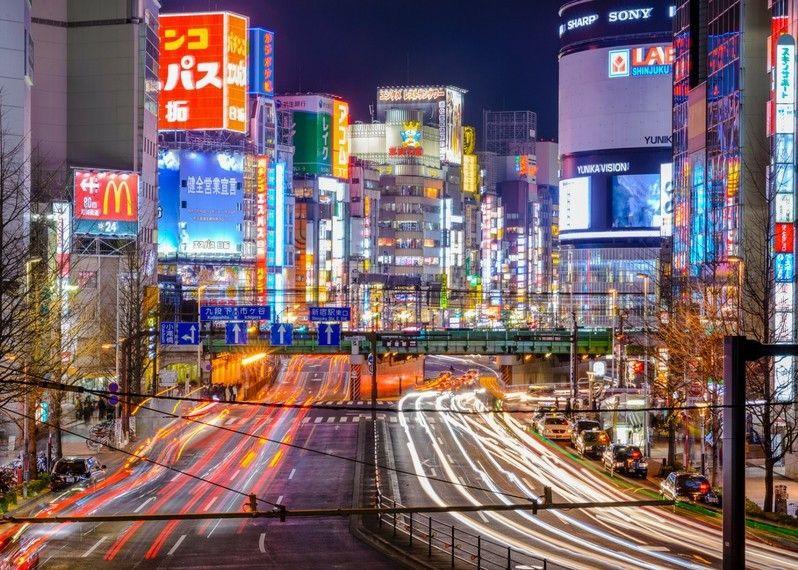
Yasukuni-dori boulevard in the Shinjuku district. Tokyo, Japan. ©SeanPavonePhoto/Getty Images
It all starts in Tokyo
Spend a couple of days in Tōkyō, getting your bearings and soaking up the atmosphere: take in the skyscrapers, the hustle and bustle and all those lights. Perennially leaning towards the future, with futuristic cityscapes of neon lights and tall skyscrapers, Tōkyō is a city that is constantly reinventing itself, as evidenced by its recent transformation into a gastronomic mecca and a must-visit destination for pop culture fans.
It does not, however, forget its past as the ancient capital of the shogunate, traces of which you can retrace by attending a kabuki show or admiring the cherry blossoms in Ueno Park.
Tōkyō has excellent museums and also everything you could wish for from Japan (grandiose temples, atmospheric shrines, fascinating contemporary architecture, elegant gardens and even hot springs), but here the sights can take a back seat. Enjoy it as the Japanese do, eating sushi in Ginza, discovering trendy looks in Harajuku or strolling through the alleys of atmospheric neighbourhoods like Yanesen and Kagurazaka. And don't miss the various aspects of its often transgressive nightlife, further proof of Tōkyō's indomitable spirit.
Before starting your journey in Tokyo, you should plan your stay. Whether you prefer luxurious stays or budget-friendly accommodations, here at http://www.tokyo-hotels-stay.com/en/ you can find a variety of hotels to choose from. Another recommended option is to book hotels in Tokyo at tophotels.com. It offers a convenient platform for finding a comfortable accommodation in different parts of Tokyo.
One of the popular hotels you might consider for your stay is the Ibis Tokyo Shinjuku Hotel. Located in the heart of Tokyo, it offers easy access to various iconic landmarks and provides great service to ensure a comfortable stay.
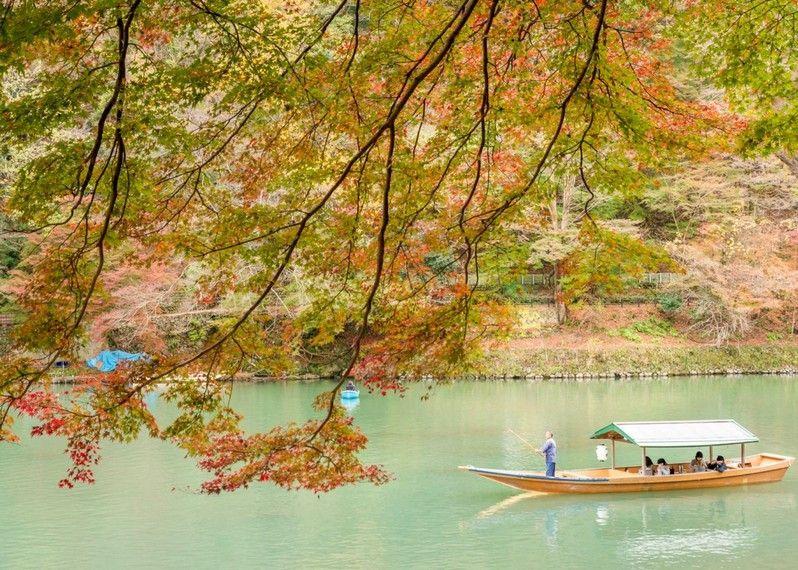
A cruise on the Hozugawa River, Arashiyama, Kyoto, Japan. ©gnoparus/Shutterstock
By train from Tokyo to Kyoto: the Shinkansen
Then go to Kyōto by shinkansen and spend at least two or three days visiting the city's most beautiful temples and gardens.
Kyōto is the repository of Nipponese traditions: temples immersed in silence, beautiful gardens, colourful shrines and geishas escaping to their secret lover. With 17 World Heritage sites, more than 1,000 Buddhist temples and over 400 Shinto shrines, it is one of the world's richest cities in terms of culture.
And while the rest of Japan has embraced modernity with élan, life here is still governed by ancient customs: visit an old shōtengai (street market) to observe tofu vendors, washi (handmade Japanese paper) shops and tea merchants. Traditional Japanese culture is intimately linked to the changing seasons, and so is Kyōto. Everything changes with the passage of time: the trees in a temple garden, the arrangement of food on a kaiseki plate and even the ornaments used to embellish geisha hairstyles. Whether you go for the first time or the tenth, Kyōto will still manage to surprise you.
From Kyōto you can take a day trip to Nara, Japan's first permanent capital, with eight UNESCO World Heritage sites (don't miss the Daibutsu - the Great Buddha) or to Ōsaka, famous for its lively nightlife and street food.
From Kyōto, you can take a day trip to discover two other places on the Kensai:
- Nara, Japan's first permanent capital, with eight UNESCO World Heritage sites (don't miss the Daibutsu - the Great Buddha);
- Ōsaka, famous for its lively nightlife and street food.
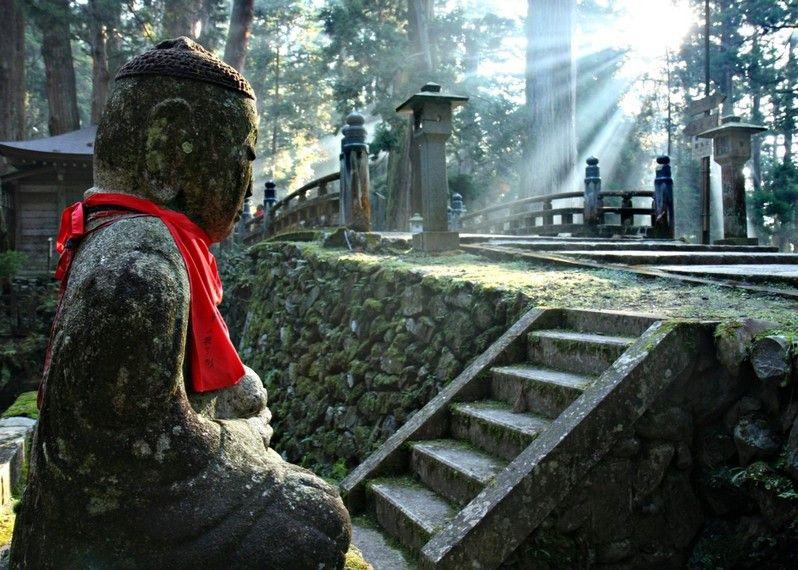
Okunoin Cemetery in Koya-San, Japan. ©Neale Cousland/Shutterstock
Sign up for our newsletter! For you weekly travel tips, special offers, stories from around the world and 30% discount on your first order.
Sleeping in a temple in Kōya-san
Take a diversion to the mountain monastery of Kōya-san, a plateau in northern Wakayamaken, cloaked in thick forests and surrounded by eight peaks. The highlight of the area is the monastic complex of the same name, the headquarters of the Shingon school of esoteric Buddhism.
Although it is not the mythical Shangri-la to which some like to compare it, Kōya-san is nevertheless one of the most extraordinary places in Japan, not only for its magnificent natural setting, but also for the opportunity to stay in a temple and get in touch with the ancient traditions of Japanese monastic life.
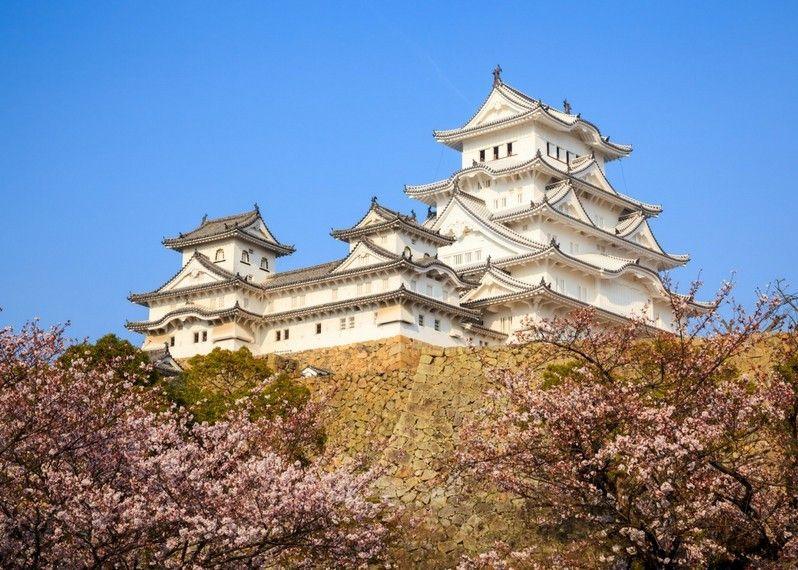
Himeji Castle, Hyogo, Japan. ©lkunl/Shutterstock
Himeji Castle
If you like castles and Japanese history, head west to Himeji to visit Himeji-jō, the most beautiful castle in Japan. Next to the fortress stands Kōkō-en, a vast complex comprising the meticulous reconstruction of nine ancient samurai dwellings and their respective gardens.
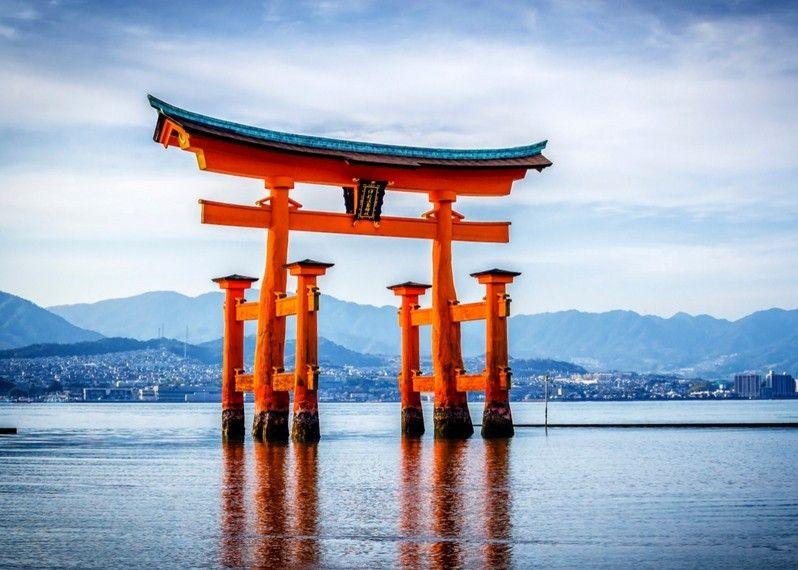
The famous Torii, entrance portal to the Itsukushima-jinja shrine. Japan. ©Korkusung/Getty Images
Hiroshima and Miyajima
All visitors rush to Miyajima to see the floating torii or the Hiroshima Peace Park to realise how the inhabitants of the city have turned a tragedy into a firm appeal for peace. However, there are other beautiful, lesser-known places around Hiroshima that are worth exploring. Stroll along the narrow cobbled streets in the port city of Tomo-no-ura, explore the temples of Onomichi, sample sake at one of the many Saijō factories and set aside some time for meditation at an ancient Shinto shrine in Ōmi-shima.
The small island of Miyajima, a UNESCO World Heritage Site, is one of Japan's most visited tourist attractions. The vermilion-red Itsukushima-jinja torii (entrance gate to the shrine), which seems to float on the water when the tide rises, is one of the most photographed monuments in the country and is traditionally considered one of the three most beautiful views in Japan.
Relaxing in an onsen in Hakone
Before returning to Tōkyō by train, pop into the spa town of Hakone. With its tranquil onsen, world-class art museums, traditional inns and fabulous mountain scenery crowned by Mount Fuji, Hakone is a perfect destination to recharge your batteries before setting off again.
At the heart of it all is Ashino-ko: the lake, silhouetted against Mount Fuji with the torii of the Hakone-jinja rising from the waters, is an image that sticks in the memory. Naturally, it is a very popular destination, especially on weekends and during holiday periods, when there is a mass tourism atmosphere. To avoid the crowds, plan your visit on weekdays, take a walking tour and discover some of Hakone's lesser-known treasures.
Surviving in Japan
During this tour of classical Japan, the inhabitants of the various towns will always welcome you with courtesy and helpfulness. But the Japanese speak little English. Therefore, to avoid embarrassing misunderstandings, we recommend that you learn some useful phrases in Japanese.