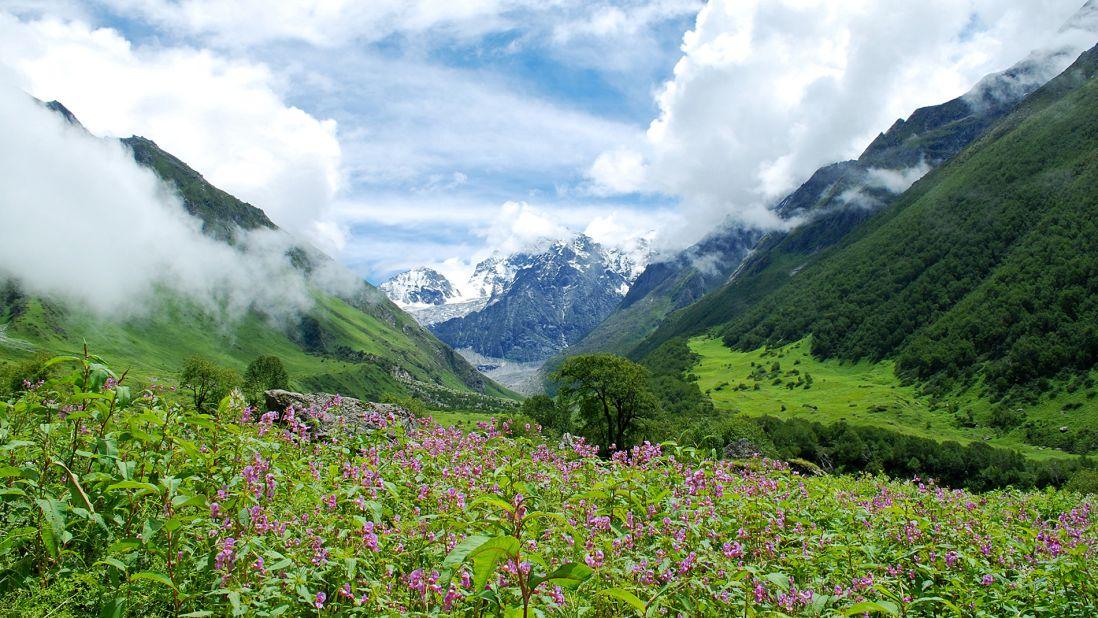
India's most beautiful places -- Valley of Flowers National Park, Uttarakhand: Discovered by a mountaineer in 1931, the valley -- hidden among the high Himalayan mountains with the Zanskar Ranges in the backdrop -- is a UNESCO World Heritage Site. The valley comes alive with blossoms during hotter months. The best time to visit is between July and October. After a full day of exploring the stunning landscapes and taking in the unique biodiversity of the Valley of Flowers National Park, having a comfortable place to rest can make your trip even more enjoyable. If you're planning your visit, consider booking a hotel for a cosy and relaxing stay. Click through the gallery to see more of India's most beautiful places.
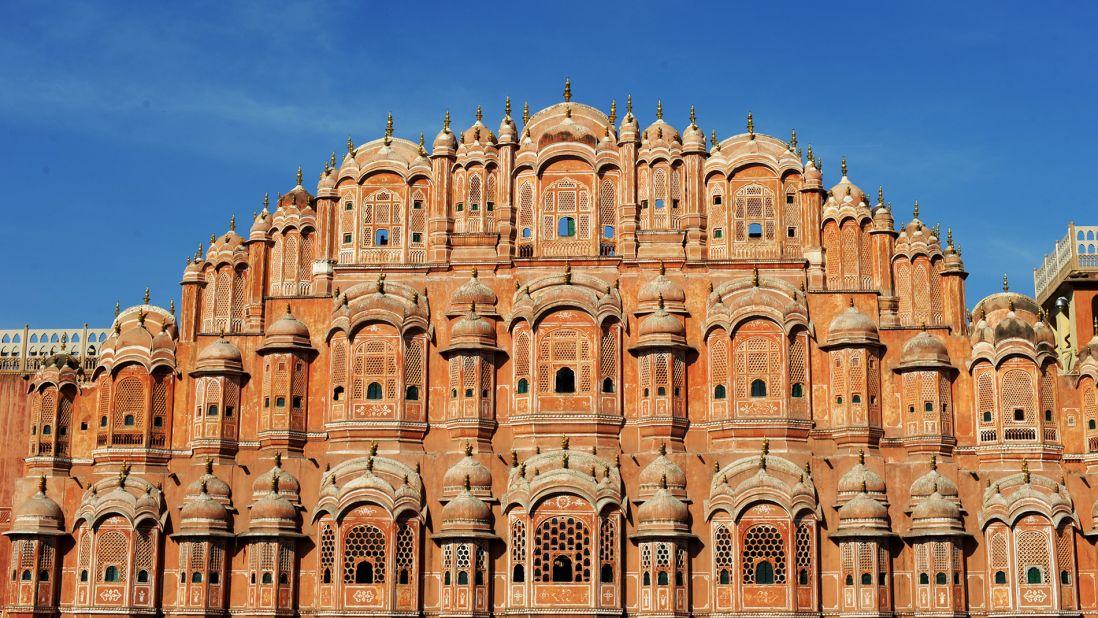
Hawa Mahal, Jaipur, Rajasthan: Built in 1799 as an extension of Jaipur's Royal City Palace, Hawa Mahal, or Palace of Winds, was originally designed to allow royal women to see street scenes without being seen.
Nubra Valley, Ladakh: One of India's most breathtaking areas, Ladakh is home to towering mountains and deep valleys. The Shyok River cuts through Nubra Valley, which lies in the northernmost part of Ladakh. READ: Bara Bangal: A Himalayan village on the path of Alexander the Great
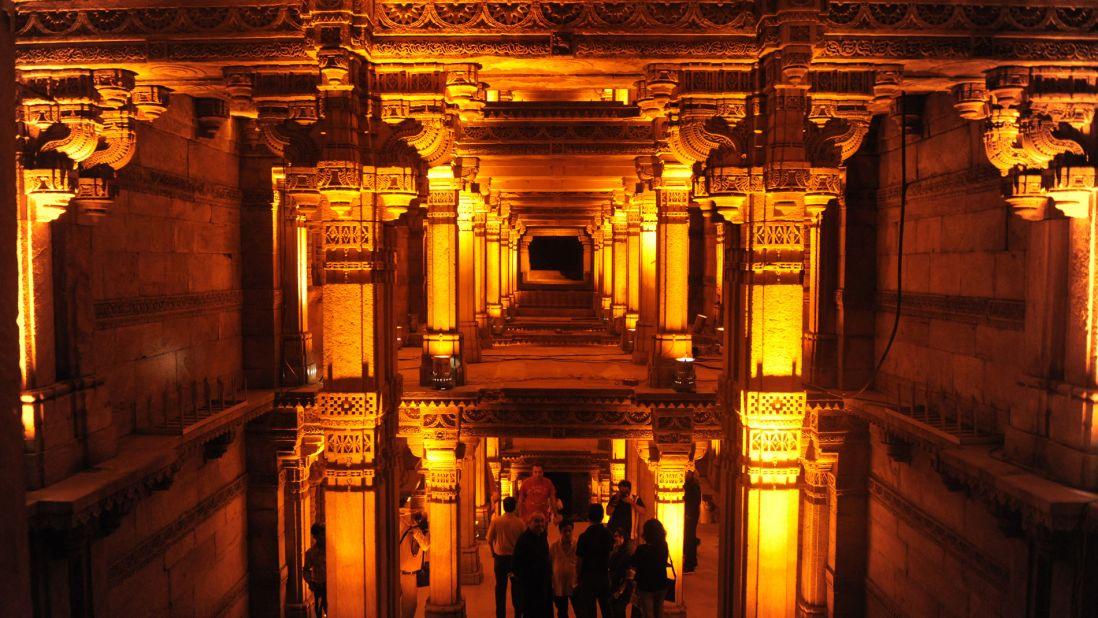
Adalaj Stepwell, Adalaj, Ahmedabad: The epitome of Indo-Islamic architecture and design, Adalaj Stepwell is a five-story stepwell dating back to 1499. All the walls are intricately carved with patterns, such as flowers and birds, as well as mythological scenes.
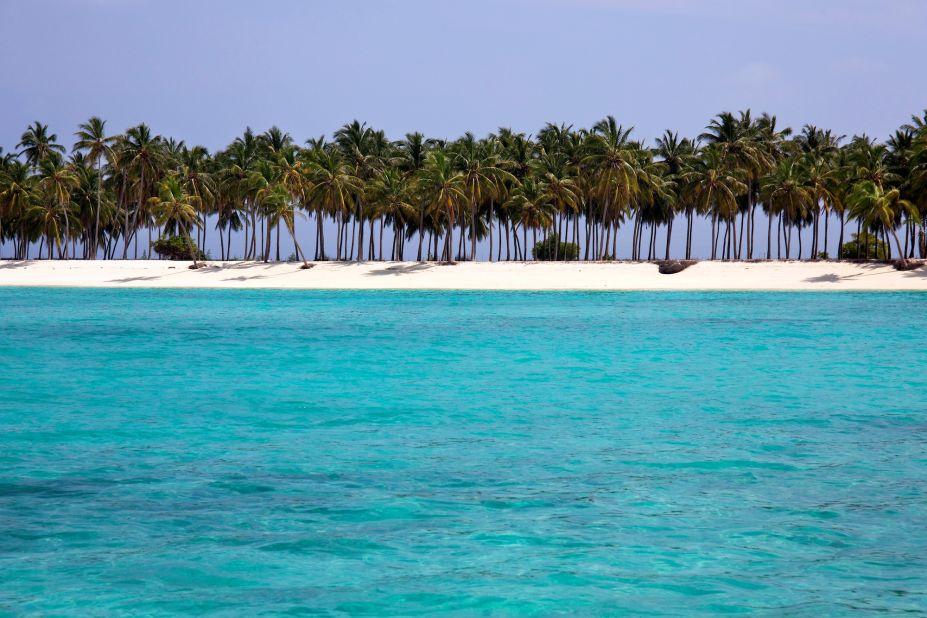
Agatti, Lakshadweep: Located 460 kilometers off the coast of Kochi, tiny Agatti Island is part of Lakshadweep -- India's smallest union territory. Its white sands, diverse coral reefs and turquoise waters make it the ultimate beach getaway, though tourists need to get a special permit to visit.
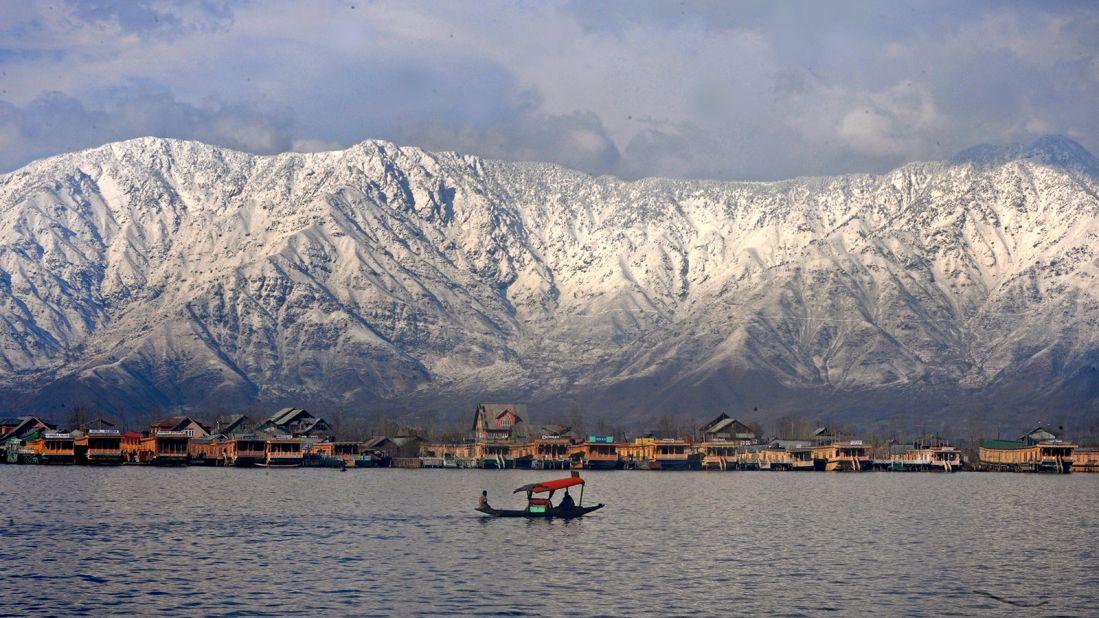
Dal Lake, Srinagar: Known as the "jewel in the crown" of Indian-administered Kashmir, Dal Lake is a Srinagar must-visit. Lined by beautiful gardens and snowcapped mountains, the lake is best toured while riding a traditional wooden shikara, Srinagar's version of the gondola.
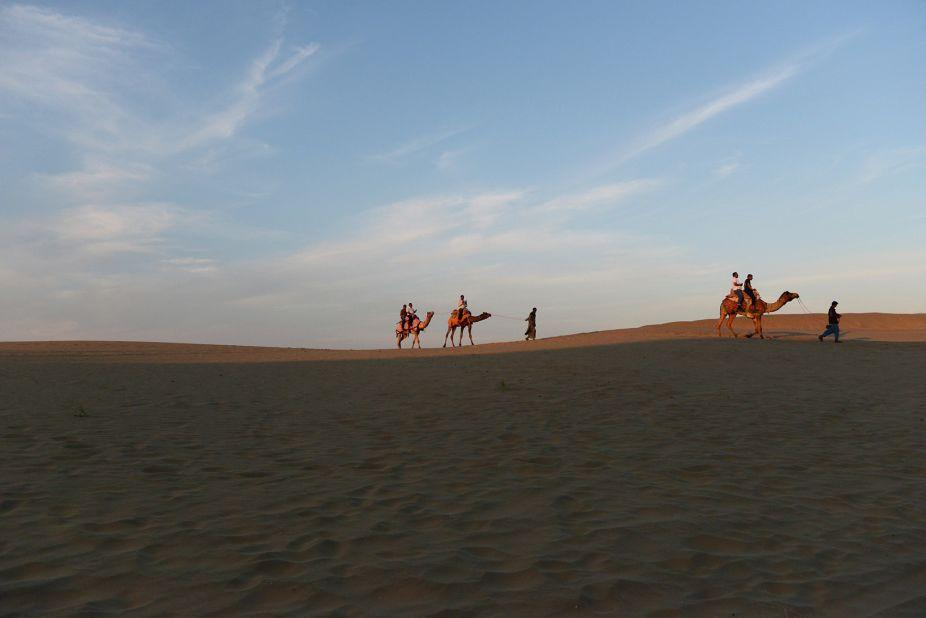
Sam Sand Dunes, Jaiselmer, Rajasthan: Sam Sand Dunes, lying in the outskirts of Jaiselmer, is one of the most accessible parts of the Great Thar Desert -- or the Sahara of India. A camel-back tour during the golden hours -- either sunrise or sunset -- offers the best views and experience.
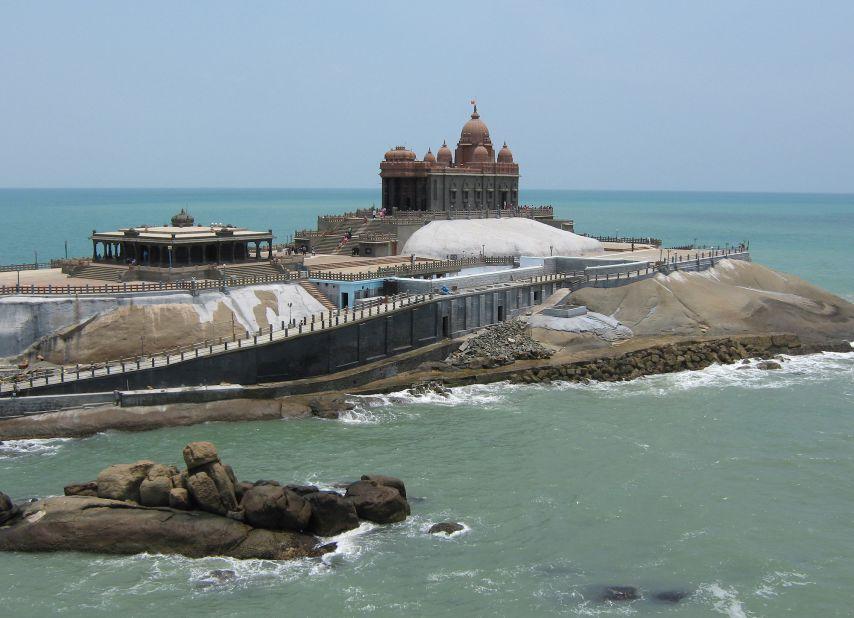
Kanyakumari, Tamil Nadu: Picturesque Kanyakumari -- formerly known as Cape Comorin -- sits at the tip of the Indian mainland in the far south. It's home to the Vivekananda Rock Memorial, located offshore on a small rocky island and dedicated to Swami Vivekananda, a holy saint.
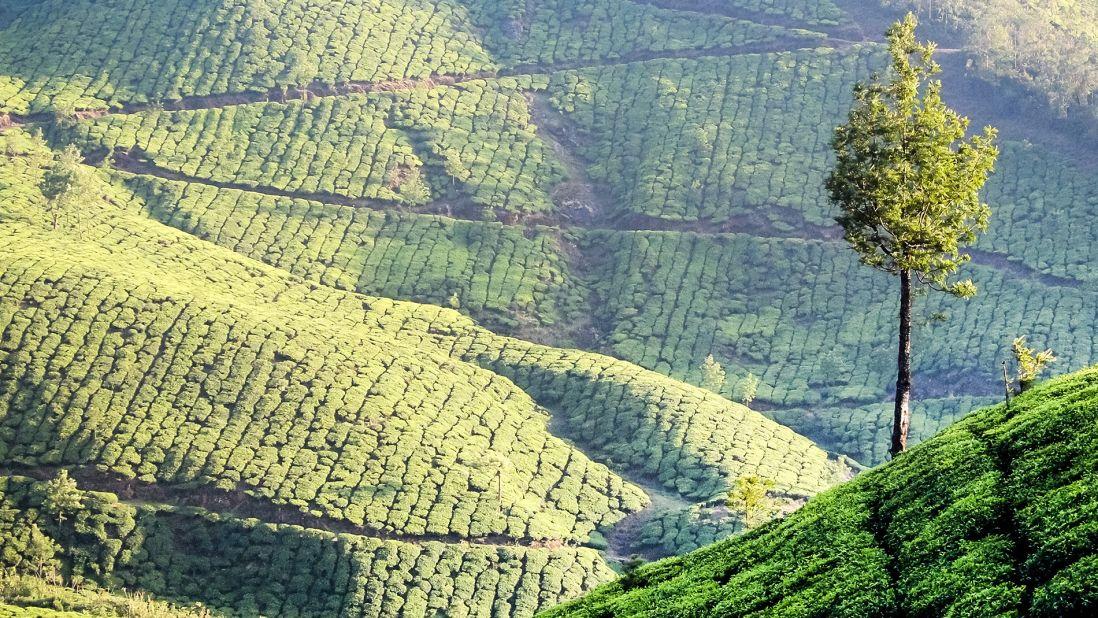
Munnar, Kerala: Known for its rolling hills and tea plantations, Munnar is a serene hill station of India's southern state of Kerala. It's also home to Anamudi Peak, the highest peak in south India and the largest population of Nilgiri Tahr, an endangered sheep species.
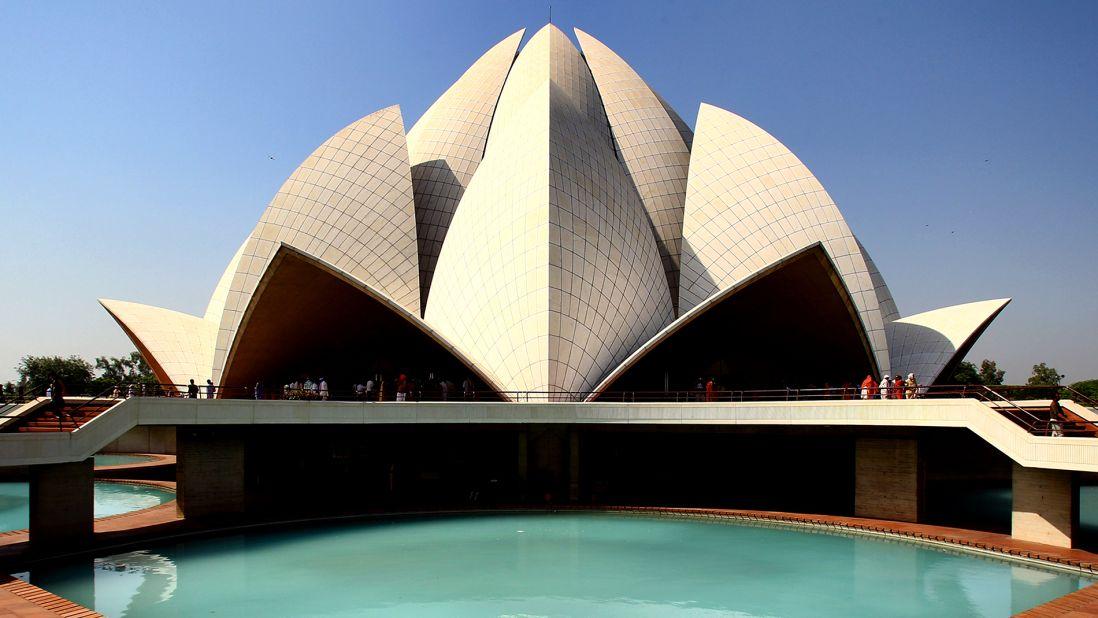
Lotus Temple, New Delhi: This elegant lotus-shaped temple has welcomed more than 70 million worshippers since its opening in 1986. It's one of several Bahá'í Houses of Worship, a religious center of the Baha'i Faith.
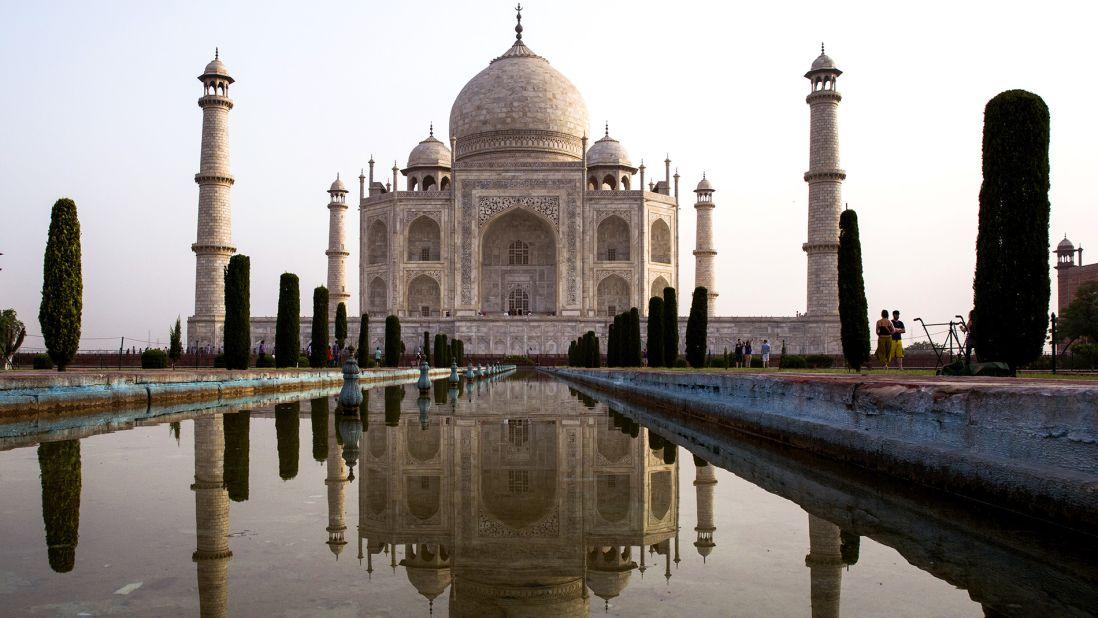
Taj Mahal, Agra, Uttar Pradesh: No list of beautiful places in India would be complete without the Taj Mahal. The ivory marble mausoleum was built in the 1600s by the Mughal emperor Shah Jahan in memory of his third wife, Mumtaz Mahal, who is buried there alongside Jahan.
Shekhawati, Rajasthan: Some of the best preserved havelis, India's lavishly decorated heritage mansions, can be found in Rajasthan's Shekhawati region. Once built as a means of boasting of one's wealth, the facades and interiors of havelis are covered with exquisite and colorful wall murals that depict everything from the owner's travel memoirs to folk mythology. READ: Wonder walls: Inside India's exquisitely decorated haveli mansions
Chadar Trek, Ladakh: Dubbed the world's wildest hike, Chadar Trek is a route formed by the frozen Zanskar River, connecting the isolated Zanskar village with Leh, Ladakh region's capital city, during winter. The dangerous trek is lined with dramatic landscapes, from frozen waterfalls to half-frozen rapids and caves. READ: Chadar: Is this the end for the 'world's wildest trek'?
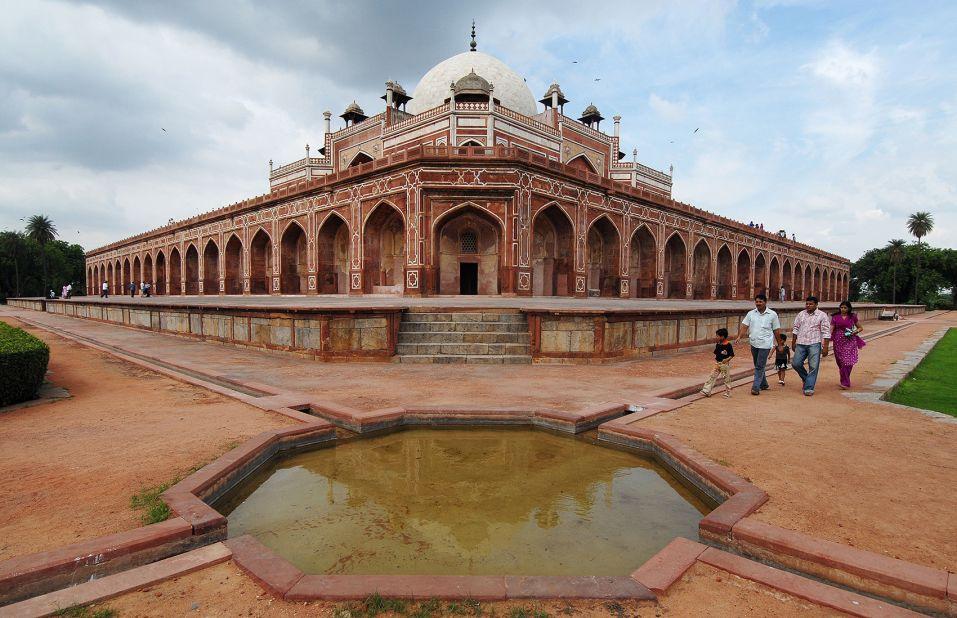
Humayun's Tomb, New Delhi: Declared a World Heritage Site in 1993, the tomb is the final resting place of the 16th-century Mughal Emperor Humayun. It was India's first garden-tomb and inspired the building of other grand mausoleums in the country including the Taj Mahal.
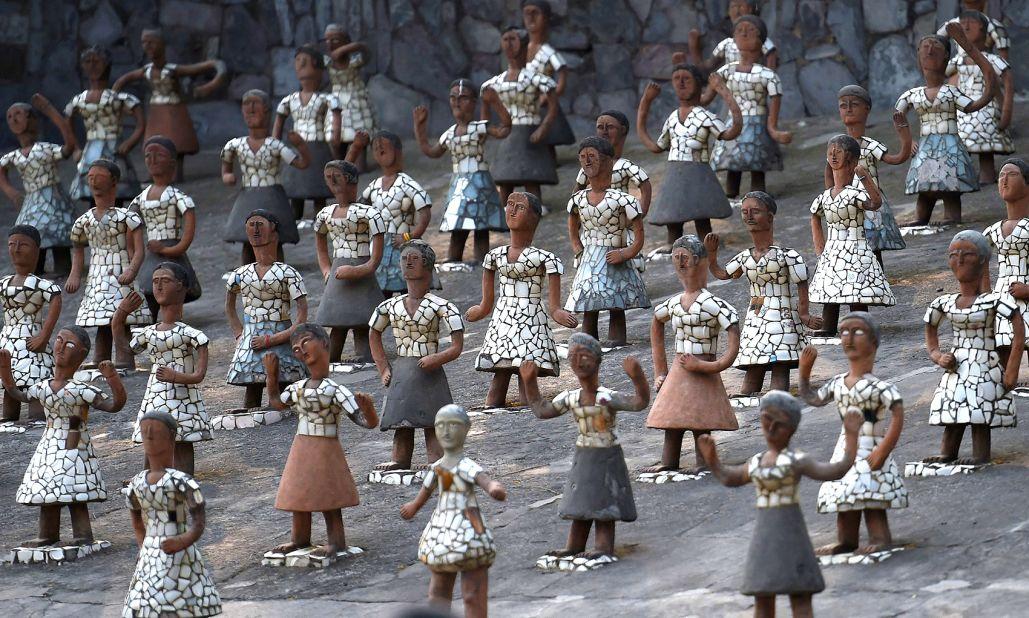
The Rock Garden, Chandigarh: Started as a secret project by self-taught Indian artist Nek Chand Saini, the Rock Garden of Chandigarh is now a sprawling 40-acre park drawing visitors from all over the world. Built over the course of 18 years, the park is decorated with sculptures made using recycled industrial and urban waste.
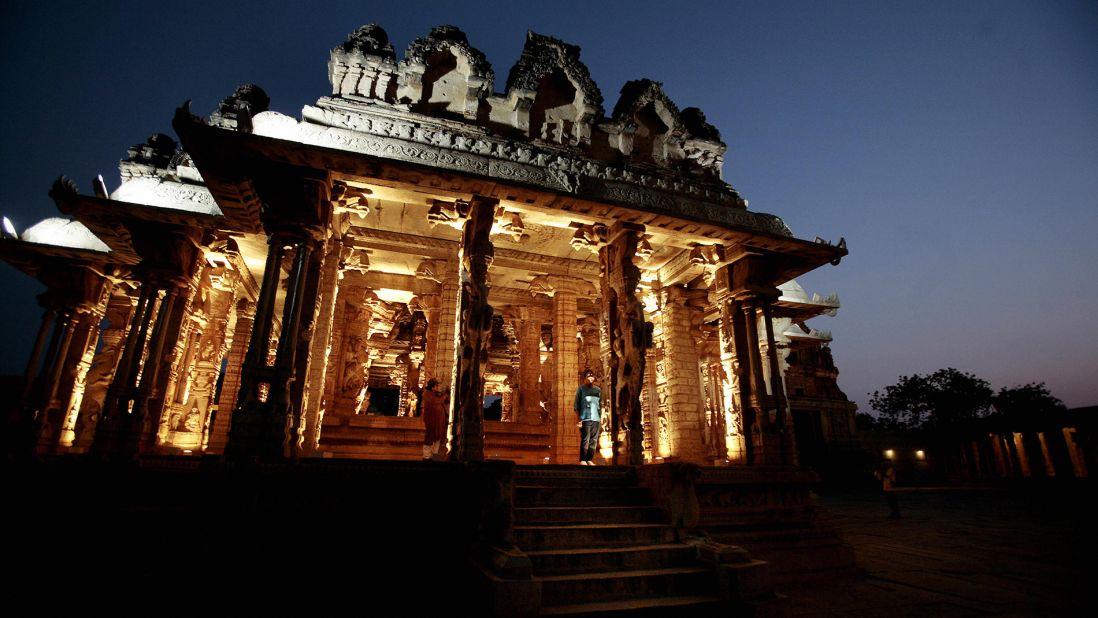
Hampi, Karnataka: The ruins of the last capital of the great Hindu Vijayanagara Empire remain a fascinating attraction today. Inscribed as a UNESCO world heritage site in 1986, there are more than 1,600 remains in the Hampi complex including forts, temples, royal complexes and pillared halls.
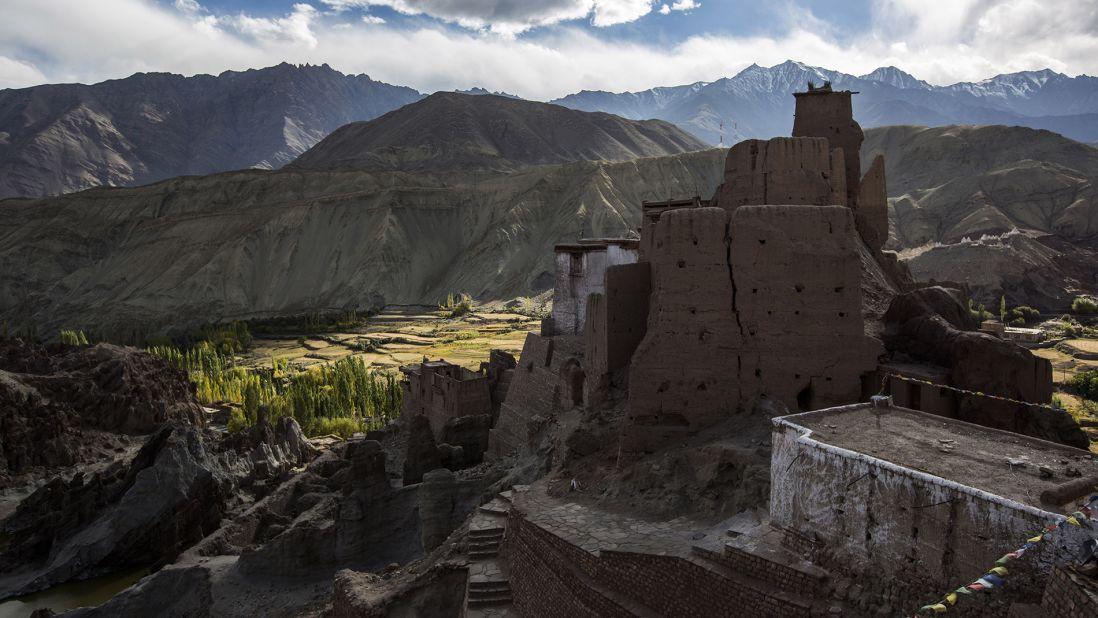
Basgo Monastery, Ladakh: With a humble mud-brick facade, Basgo Monastery isn't as popular as other monasteries in Leh. But those making an effort to visit will be treated with colorful wall murals from the 16th century and a 14-meter-tall copper idol of Maitreya Buddha. It's the oldest surviving religious structure of its kind.
Qutb Shahi Heritage Park, Hyderabad: This collection of beautiful monuments is the resting place of the fearsome Qutb Shahi family, which ruled the Golconda Kingdom in southern India's Hyderabad region for 169 years in the 16th and 17th centuries. READ: New life for historic tombs of Hyderabad, India
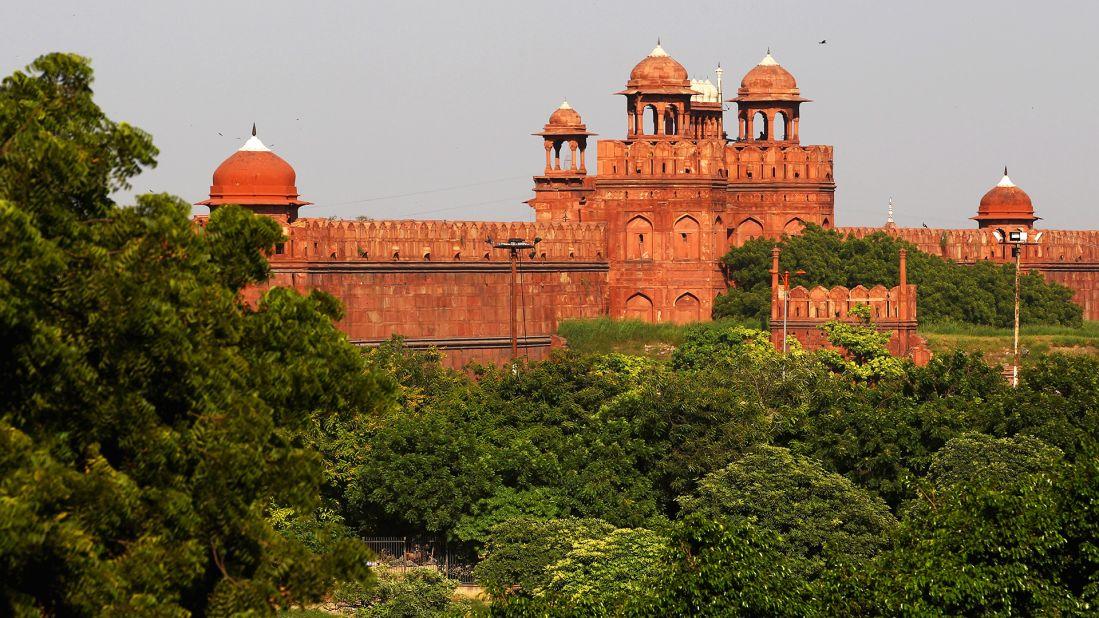
Red Fort, New Delhi: A UNESCO World Heritage site, New Delhi's Red Fort was the main home of Mughal dynasty emperors for nearly 200 years. One of the city's most popular tourist attractions, it houses a number of museums.
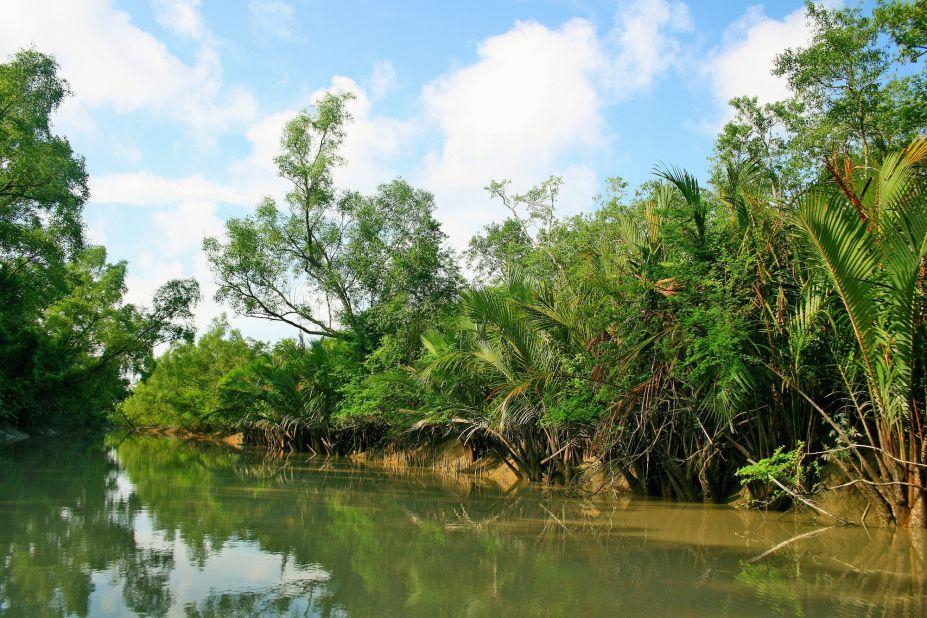
Sundarbans, West Bengal: A UNESCO World Heritage Site, the Sundarbans is the largest mangrove forest in the world and lies on a delta at the mouth of the Ganges River. It's spread across areas of West Bengal as well as Bangladesh.
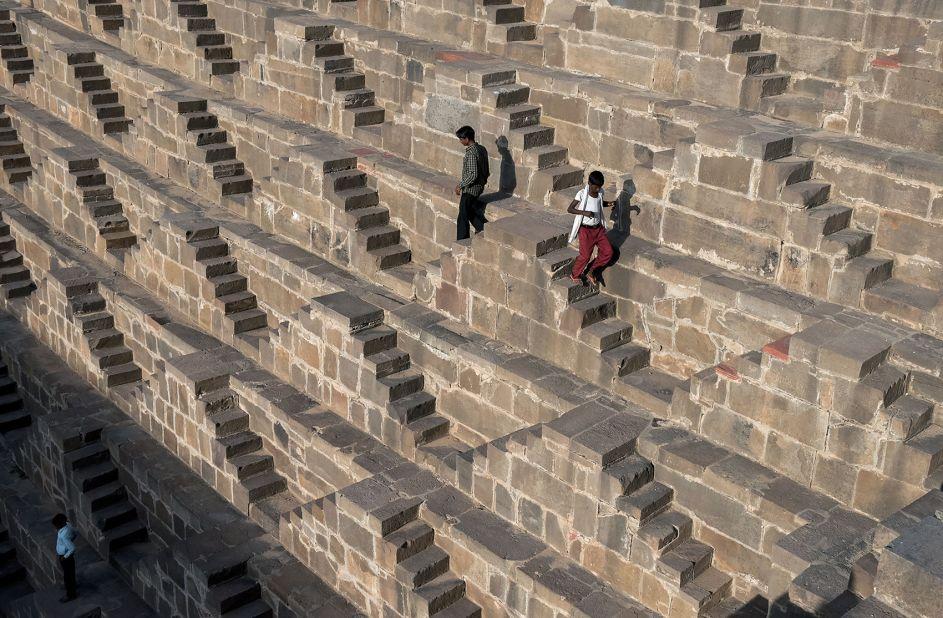
Chand Baori, Abhaneri, Rajasthan: With 3,500 steps in perfect geometric design, Chand Baori is one of the most beautiful stepwells in India. The 1,200-year-old site is open to local residents for a few hours every day.
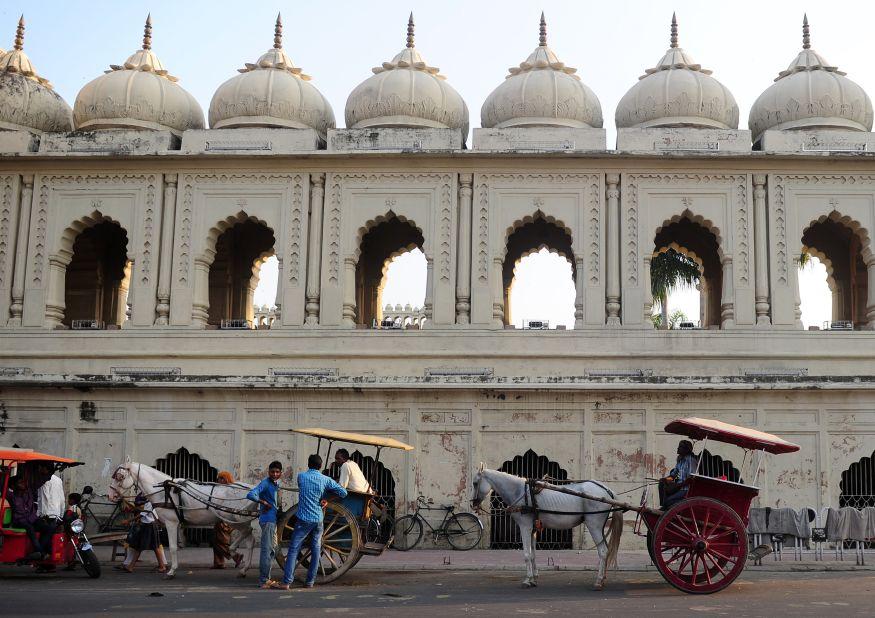
Bara Imambara, Lucknow, Uttar Pradesh: Built in 1784, Bara Imambara is an architectural marvel. It was constructed with an interlocking system of bricks -- without using any girders and beams. The massive arched hall is one of the largest in the world with a roof unsupported by any pillars. The top of the iconic landmark offers panoramic views of the city.
Harmandir Sahib, Amritsar, Punjab: Harmandir Sahib is a holy complex for Sikhs that includes the signature "Golden Temple," which sits in the middle of a large lake. Reflections of its gold-encrusted dome shimmer in the clear water of the Amrit Sarovar (Pool of Nectar), which greets those who enter from the north gate. READ: 6 ways to experience India's Punjab region
Pangong Tso, Ladakh: It's not easy to visit Pangong Tso -- it's a rough five-hour drive from Leh and a permit is required. But the breathtaking views of the blue lake sitting at the base of the Himalayas make the journey worthwhile. The lake, spanning 134 kilometers and sitting at a height of 4,350 meters, is a natural border between China and India. MORE: India's best Himalayan escapes
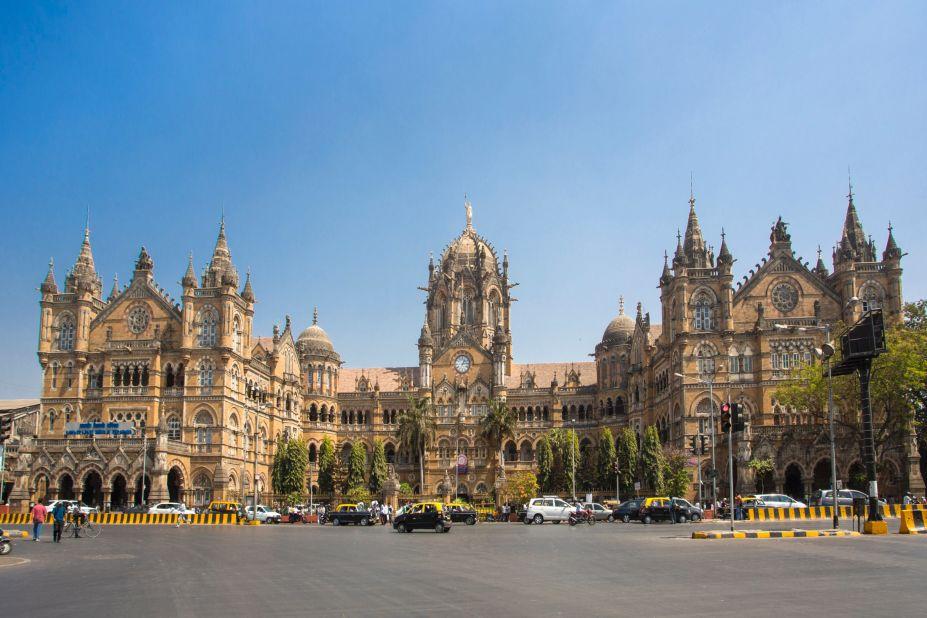
Chhatrapati Shivaji Terminus, Mumbai: A UNESCO World Heritage site, the Chhatrapati Shivaji Terminus is Mumbai's main railway station. First opened in 1888, it's considered a perfect example of Victorian Gothic Revival architecture.
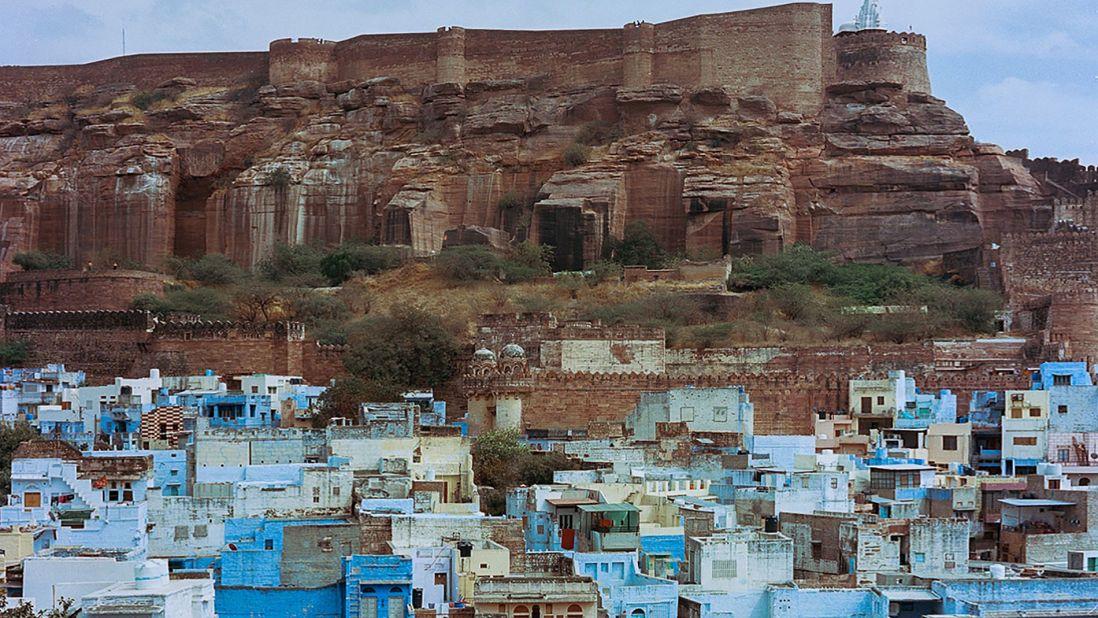
Jodhpur, Rajasthan: Jodhpur's blue houses and the magnificent Mehrangarh Fort (in the backdrop) make Rajasthan's Blue City one of the most Instagrammable places in India.
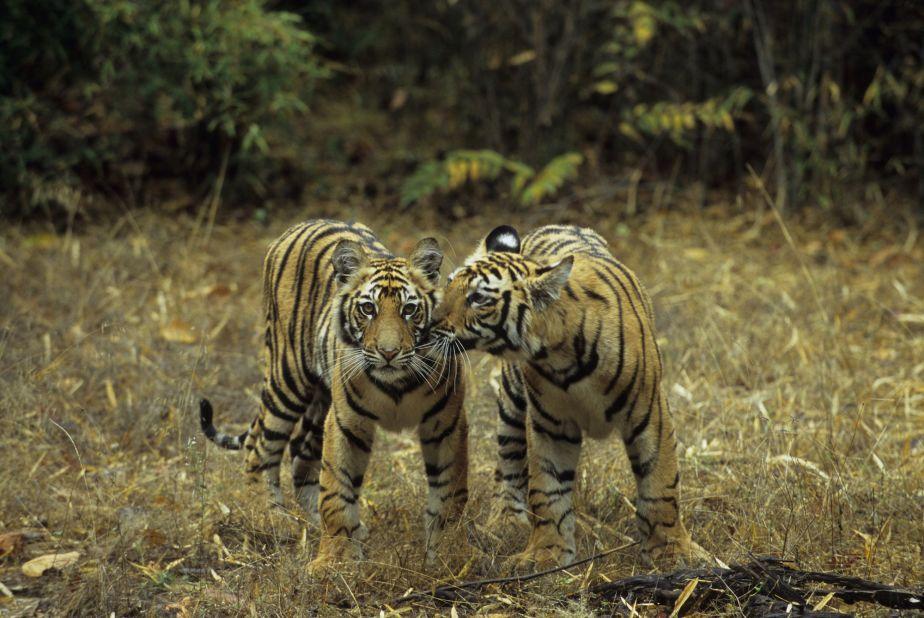
Bandhavgarh National Park, Madhya Pradesh: This wildlife sanctuary in Madhya Pradesh is spread over 100 square kilometers and is home to more than 50 tigers. The park is open from October to June, but the best time to see tigers is from April to June.
 READ: How to experience the beautiful backwaters of Kerala, India
">
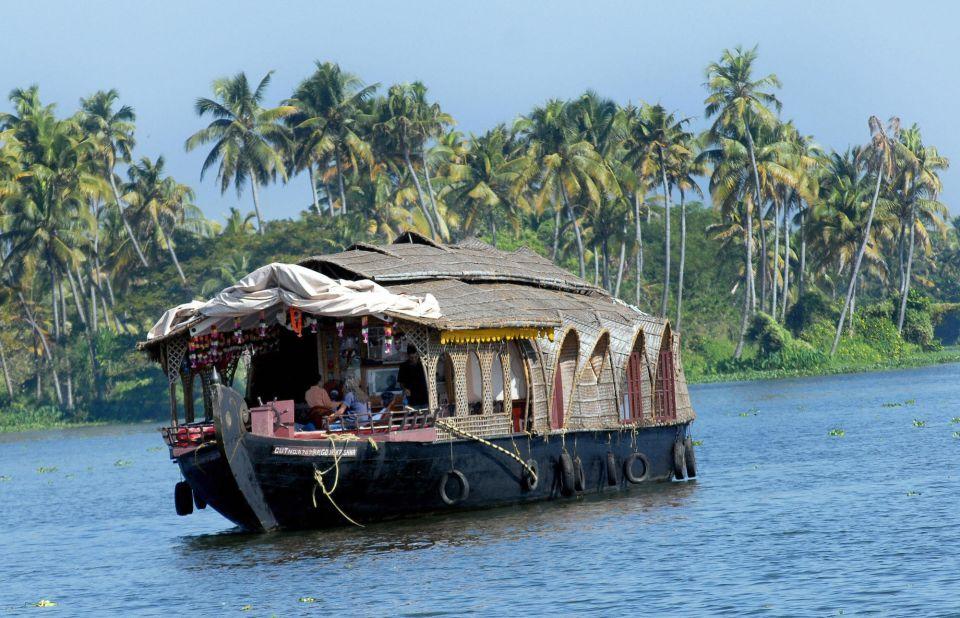
Kerala backwaters, Kerala: The Kerala backwaters are made up of lakes, canals and rivers that stretch down the coast. Traditional houseboats are a great way to take in the local way of life. READ: How to experience the beautiful backwaters of Kerala, India
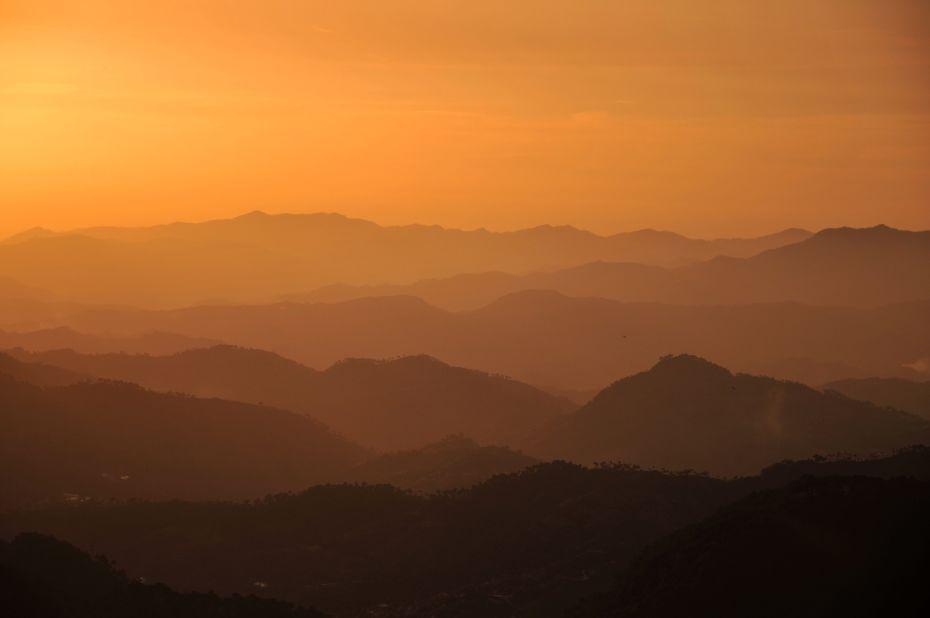
Shimla, Himachal Pradesh: The former summer capital of British India, Shimla sits in the Himalayan foothills. With views like this, it's easy to see why it remains a popular vacation destination today.
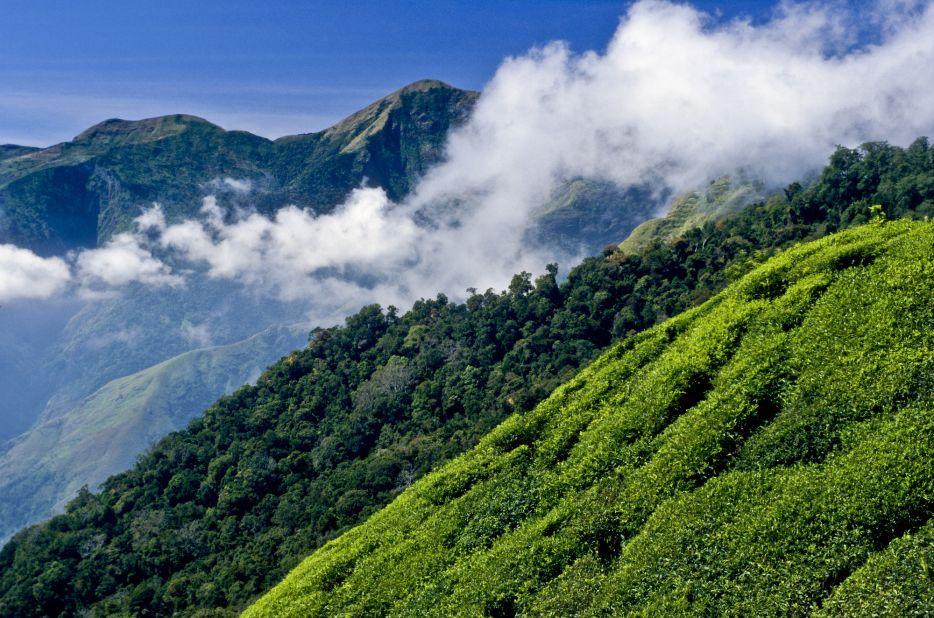
Udhagamandalam, Tamil Nadu: Also called "Ooty" for short, the town of Udhagamandalam offers easy access to the Nilgiri hills, which are filled with coffee and tea plantations. One of the best ways to experience the region is by rail. The stunning Nilgiri Mountain Railway connects Ooty and Mettupalayam.
Packing the vertiginous experience that is India into two weeks might sound like a foolish proposition. But it’s utterly possible if you’re smart about it – and quick on your feet.
Traditional wisdom has been to limit yourself to a single experience or region – beaches or temples, north or south.
But with increased air connectivity and cheap flights, first-time visitors to India can take in a proper sampler and even slow down in places long enough to enjoy it.
Days 1-4: New Delhi and Agra
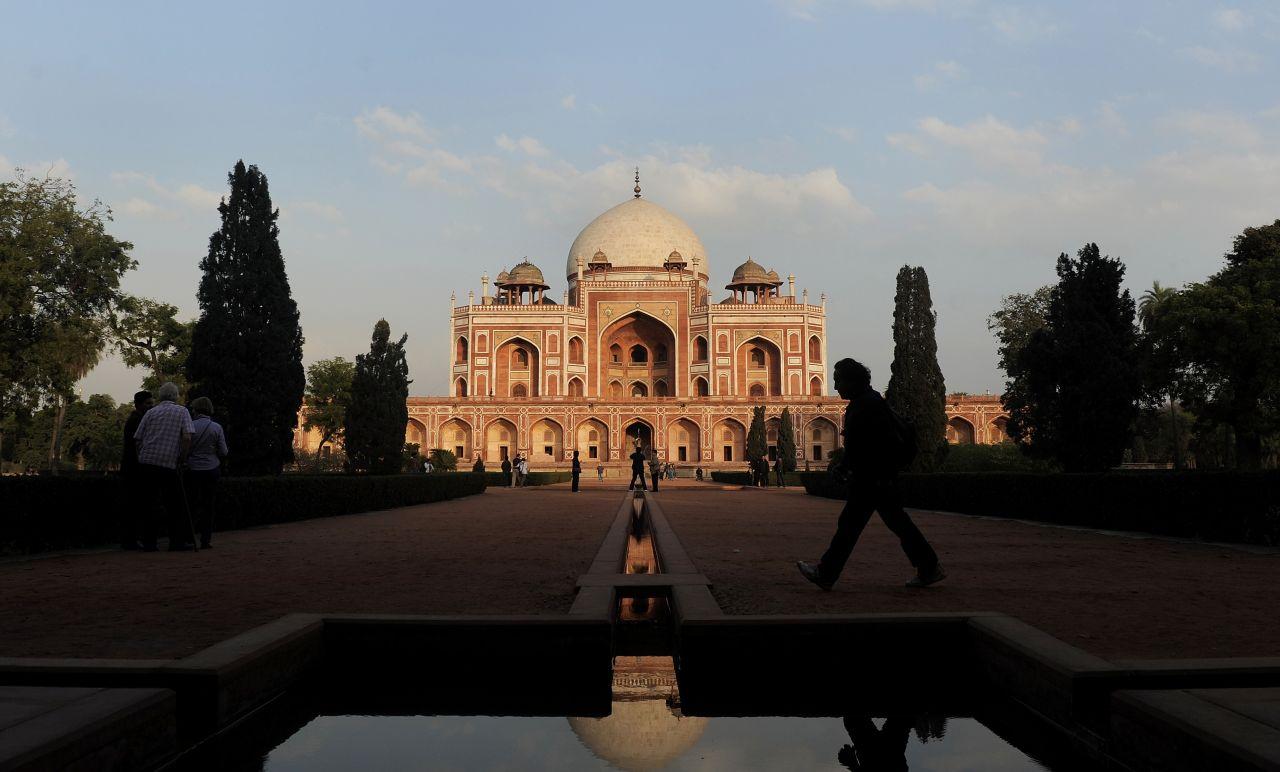
New Delhi's magnificent monuments, like Humayun's Tomb, appear out of the blue around nondescript corners.
Start with New Delhi, of course, and spend three days settling in.
There’s nothing like a late-night drive around Connaught Place, the Rashtrapati Bhavan and neighboring buildings to get an initial feel for the capital and the eminent monuments of the British empire.
Stay somewhere central and close to the Lodi Gardens, which you should tour early morning or evening, chasing this with a visit to Humayun’s Tomb, and finishing off with some live qawwali music in Nizammuddin (if it’s Thursday) and an opulent meat meal at Karim’s.
Wake up early on day two (you’re jet lagged, after all, so this should be easy) and tour old Dilli, breakfasting in Parathewalle Gulli before a Red Fort visit and Chandni Chawk trawl. Shop at Janpath or the more upmarket Khan Market, then enjoy dinner at one of New Delhi’s many hip eateries.
On day three, stroll through Hauz Khas Village, full of boutique shops and restaurants, have lunch there and then visit the Qutub Minar in Mehrauli – ending the day with a meal at one of the nearby establishments, most with a view of the monument.
On day four, load your gear into an air-conditioned, chauffeur-driven car and drive to Agra for the day visit to the Taj Mahal and old Mughal city of Fatehpur Sikri.
Days 5-6: Jaipur and Udaipur in Rajasthan
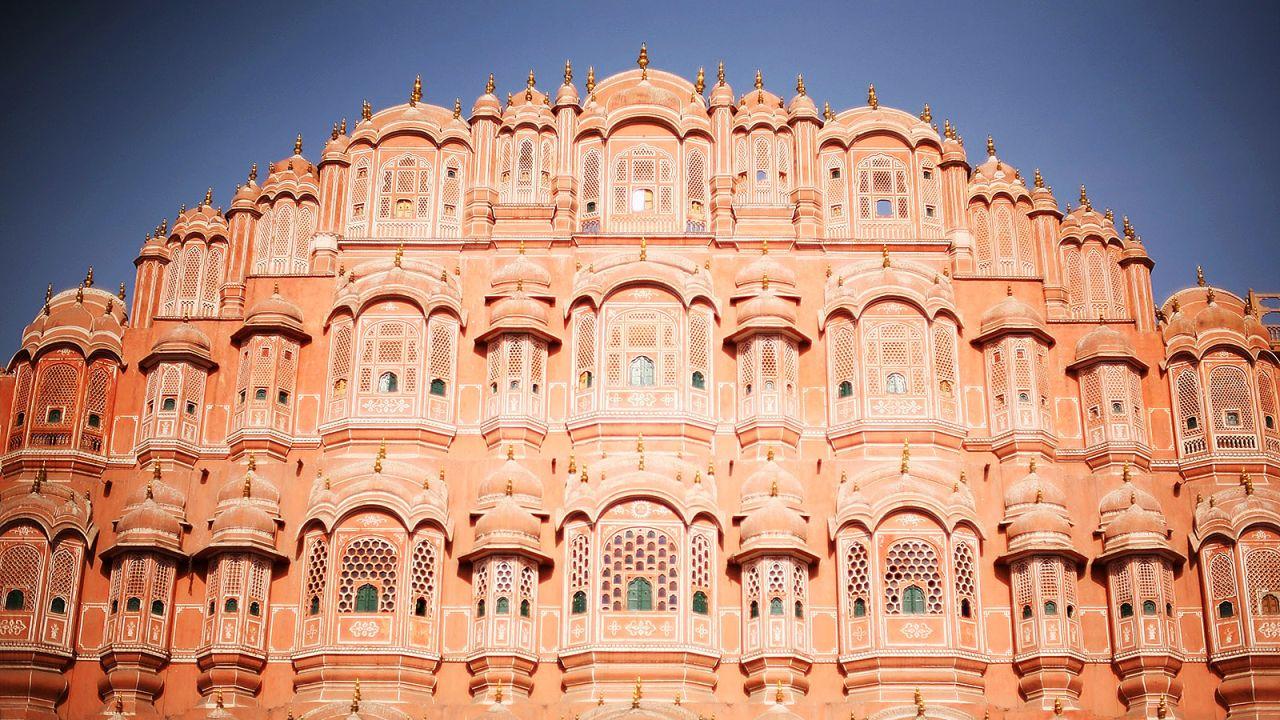
Hawa Mahal translated means "Palace of Winds" or "Palace of the Breeze."
Instead of heading back to New Delhi then, take a four-hour train directly to Jaipur in Rajasthan from here and tour this charming city of palaces, forts and bazaars for some very manageable sightseeing and shopping.
An afternoon at the Hawa Mahal, lunch at Spice Court or LMB, shopping at Johri Bazaar with a break for delicious kachoris at Rawat, followed by a visit to the Amber Fort covers your basic ground.
About 10 years ago I had to take a sleeper bus to your next stop, but today a swift, reasonable flight will get you there. Fly to Udaipur in an hour for a day in the city of the Lake Palace, which is what you’re here to see.
Days 7-10: Mumbai and Goa
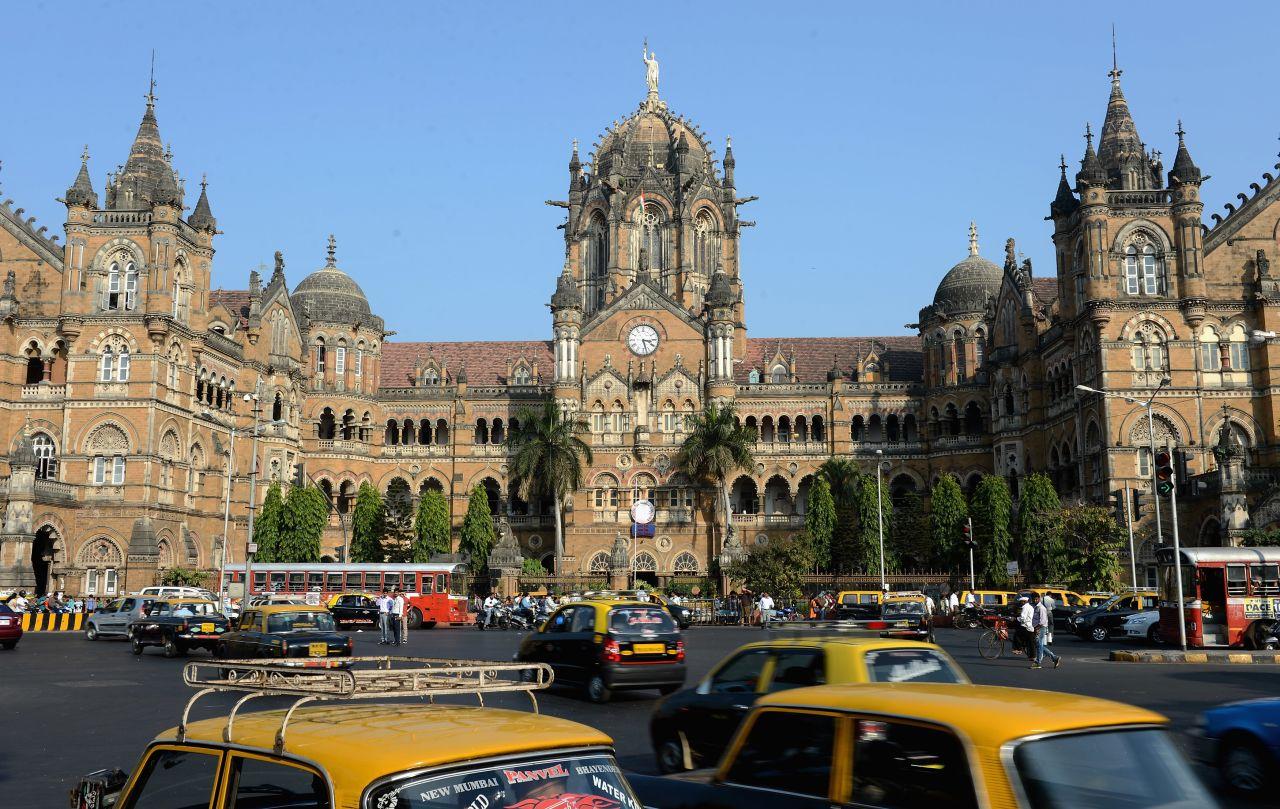
Chhatrapati Shivaji Terminus is Mumbai's main train station. Locals call it VT after its former name, Victoria Terminus.
Here’s where you depart a little from a more conventional north India-focused itinerary; skip Varanasi and fly directly from Udaipur to Mumbai, distilling your north Indian experience into the four individual experiences you’ve just had.
On your first day in Mumbai, spend a few hours cruising Colaba and the historic facade of Taj Mahal Palace hotel. See the main train station, formerly known as Victoria Terminus, and check out art galleries and boutiques on Arthur Bunder Road as well as eclectic fashion boutique Bombay Electric.
Eat local, whether it’s seafood at Trishna, Indian fusion food at Indigo or Bademiya kebabs on the street – all in Colaba – and end the day with a sunset view of the Gateway of India, a drink overlooking Marine Drive at Dome.
For dinner and after pick from one of Mumbai’s best new restaurants and clubs.
Focus your second day on the other side of that heart-lifting sea link drive to Bandra; walk around this hipster suburb and later, visit a local club.
Fly out to Goa on day three for respite from city life.
You’ll need at least two days on the halcyon northern beaches of Morjim and Mandrem, with breaks for the old churches in old Goa, Siolim and Panjim. Head to Bomra’s in Candolim for a more fancy dinner or Goan family-style dining at Souza Lobo in mainstream Calangute; or head to Sublime for proper fusion food.
Alila Fort Bishangarh: India’s most exciting new luxury hotel
Days 11-14: South to Kerala
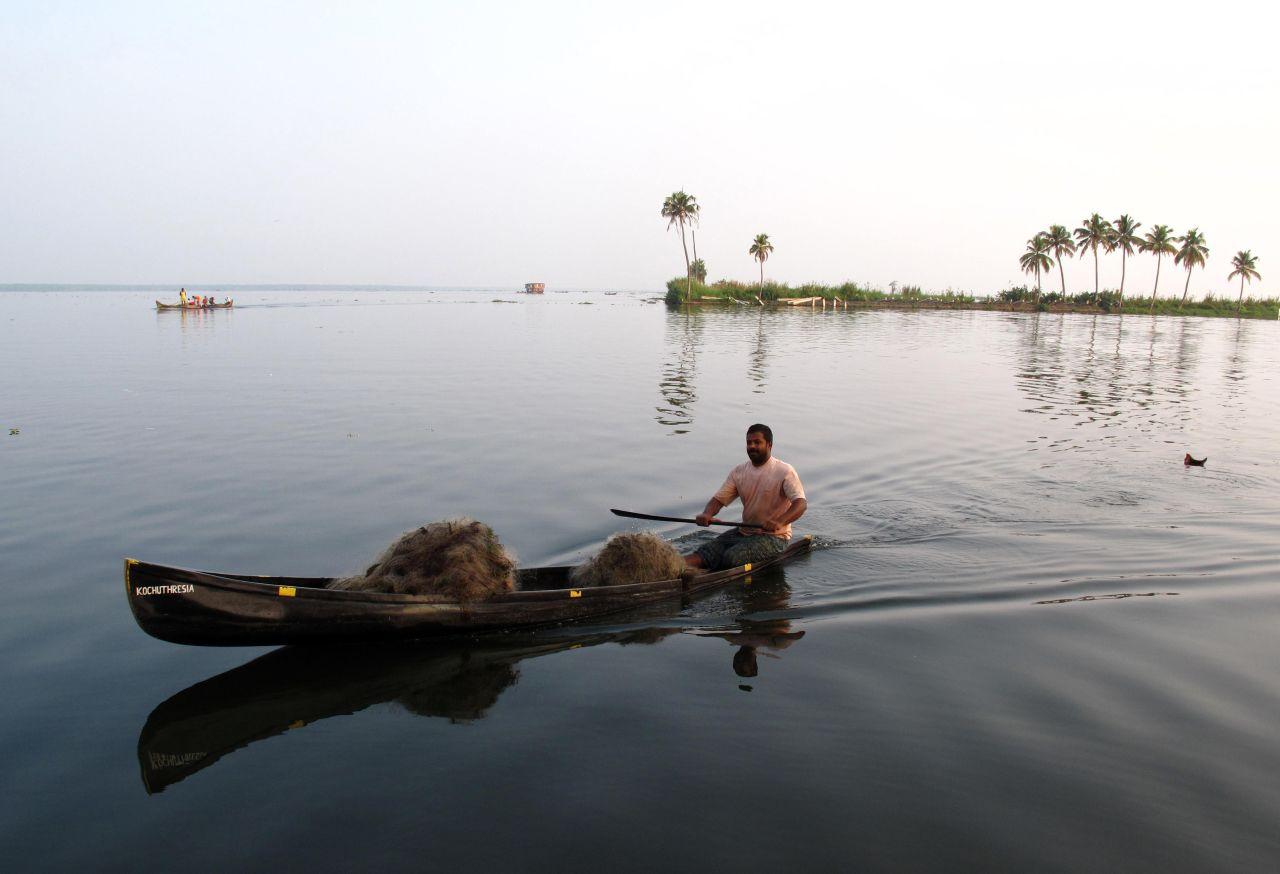
Enjoy a picturesque trip on Kerala's backwaters.
The best way to chase a few days on the beach is a little backwater time – fly to Kochi for the Kerala experience.
A day in Kochi strolling around heritage home Fort Cochin, full of fishing nets and Portuguese houses, will prepare you for the last leg of this journey.
A two-day backwater package to Kumarakom, preferably to Coconut Lagoon, is a beautiful end to your Indian odyssey. Back in Cochin at the end of two weeks of travel, you’ll have only one last short flight back to New Delhi.
All of the internal flights you’ll take will range from roughly $40-$60 (Rs 2,500-4,500) and most are an hour or two long, saving the first-time India visitor time and energy.
Yes, you’ve left out Amritsar’s Golden Temple and Khajuraho’s erotic sculptures, beautifully crumbling Kolkata, the hill station of Darjeeling, the southern foodie cities of Bangalore and Chennai, Puducherry’s French colonial atmosphere, skiing in scenic Kashmir, trekking in the starkly beautiful Himalayan landscape of Ladakh and much more – but that’s what your second, third and fourth visits are for.
Consider this, ambitious traveler, simply a taste of the delights that await your next trip.