The Essence of Yorkshire's Railway Heritage
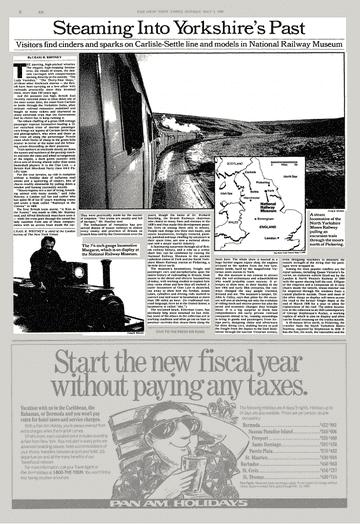
Chronicles of Yorkshire's Rail Beginnings
The story of Yorkshire's railway heritage is woven intricately with the threads of Britain's industrial past. It unfolds across a landscape of rolling dales and cities built upon the backbone of manufacturing prowess. A journey through Yorkshire's rail history is a chronicle of innovation, community transformation, and the relentless progress of the Industrial Revolution.
The Industrial Revolution and Yorkshire Trains
The advent of the Industrial Revolution served as the catalyst for Yorkshire's foray into railway history. The county's abundant coal reserves fueled the burgeoning industries and necessitated an efficient mode of transportation. Enter the age of steam, where iron tracks crisscrossed the region, connecting mines, mills, and factories with the harbors and cities demanding their outputs.
One of the pivotal moments was the completion of the Stockton and Darlington Railway in 1825, which marked the inception of railway expansion throughout Yorkshire. Improved locomotives and railway systems began sprouting, shrinking distances and redefining the transport of goods and passengers. The romance of steam-powered journeys had begun, leaving a permanent imprint on Yorkshire's cultural and economic landscape.
Today, the legacy of that industrial prowess can be experienced through Yorkshire's heritage railways, which offer enthusiasts and tourists alike the chance to relive those historic steam-powered journeys. Those wishing to immerse themselves in the nostalgia can book now: yorkshire-hotel.com to arrange their stay and create memorable moments riding the rails that once powered a revolution.
Key Figures in Yorkshire's Railway History
Yorkshire's railway expansion was not the brainchild of a single visionary but rather the collective genius of several individuals. Witnessing local and visiting engineers, businessmen, and workers converge brought about innovations that would chart the course of railway history globally.
Name | Contribution |
|---|---|
George Stephenson | Built the first successful steam locomotive for the Stockton & Darlington Railway |
Joseph Locke | Engineered railways across Yorkshire, including the Hull and Selby Railway |
Benjamin Outram | Implemented advanced tramway systems that inspired railway development |
Sir Nigel Gresley | Designed iconic locomotives such as the Flying Scotsman and Mallard |
Among these iconic figures, George Stephenson stands out for his 'Locomotion No. 1', which hauled the first passenger trains. Others like Sir Nigel Gresley pushed the limits of steam technology, creating the fastest steam locomotives of the time. These individuals and their creations become synonymous with the golden age of Yorkshire railways, leaving a legacy that continues to fascinate and inspire to this day.
Iconic Steam Locomotives of Yorkshire
Yorkshire, with its rich industrial heritage, holds a special place in the history of rail transport, especially when it comes to steam locomotives. These majestic machines are not just transport vehicles but are a testament to the ingenuity and progress of the Industrial Revolution. Even today, they evoke a sense of nostalgia and wonder, taking us back to a bygone era of soot and steam, whistles and the chug of heavy engines.
Profiles of Famous Yorkshire Steam Engines
The rugged landscapes of Yorkshire once echoed with the sounds of steam engines, each with a story to tell. Here's a glimpse at some of the most famous steam locomotives associated with the region.
Name | Class | Year Built | Notable Fact |
|---|---|---|---|
The Green Howards | V2 | 1936 | Last of its class to be withdrawn. |
The Yorkshireman | A3 | 1937 | Named after the express passenger train service. |
Sir Nigel Gresley | A4 | 1937 | Holds the post-war speed record for steam traction. |
Bittern | A4 | 1937 | Underwent extensive restoration and returned to mainline service. |
The Engineering Marvels Behind Steam Power
Steam locomotives are not just about pistons and boilers – they are masterpieces of engineering that combine numerous disciplines and innovations. Let's explore the wizardry that powered these engines.
Step 1: Generating Steam - Coal is burned in a firebox, producing hot gases. The heat from these gases is then transferred to the boiler, where water is turned into steam.
Step 2: The Pistons - The high-pressure steam is piped to the engine's cylinders, which drives the pistons back and forth. This motion is ultimately what turns the wheels and propels the locomotive forward.
Step 3: Regulation and Control - A series of valves and regulators control the flow of steam and the locomotive's speed. The skill of the driver and fireman is crucial for efficient operation.
Step 4: Transferring Power - Motion from the pistons moves through a series of rods and linkages known as the valve gear. This system synchronizes the wheels and ensures smooth locomotion.
Step 5: The Blower and Draft - A blower creates a draft that pulls air into the firebox, feeding the flames and maintaining a constant temperature to keep the steam pressure consistent.
Yorkshire's Historic Rail Routes
Mapping Yorkshire's Bygone Tracks
The legacy of Yorkshire's railways is deeply embedded in the sweeping dales and bustling towns of this historical region. To map the bygone tracks is to trace the industrial revolution's footsteps and the echoes of steam engines that once roared through the heart of England. Yorkshire's rail heritage offers a unique glimpse into a past where mighty locomotives connected remote communities and fueled the growth of cities like Leeds, York, and Sheffield.
Pioneers of railway engineering left behind an intricate network, now replaced by modernity but remembered through preserved routes and museums. Maps of these historic lines reveal the transformation over centuries, from thriving arteries of commerce to serene paths for leisurely heritage trips. For railway enthusiasts and history buffs alike, these faded tracks mark an adventure back in time, uncovering stories of Yorkshire's grand industrial era.
Great Train Journeys Through Yorkshire's Landscapes
From the rolling hills of the Yorkshire Dales to the rugged moors of Brontë country, the journey across Yorkshire's landscapes by train is one of the most dramatic and enchanting experiences. The trains that traverse these lands today glide past centuries-old castles, through tunnels carved by engineering giants, and over viaducts that stand as monuments to Britain's railway heritage.
The Settle-Carlisle line, for instance, is famed for its Victorian architecture and spectacular natural beauty, while the North Yorkshire Moors Railway offers steam-hauled leisure trips through heart-stopping scenery. As travelers, you can partake in the luxury of historic coaches, a reminder of the golden age of rail travel when every journey was a grand occasion.
Step Aboard a Journey Through Time
Embarking on a historic rail tour through Yorkshire not only transports you through striking landscapes but also through the annals of time. Here's how to step aboard one of these memorable journeys:
Select Your Route: Choose a historic line that appeals to your sense of adventure. Consider the North Yorkshire Moors Railway for a steam-driven experience or the Keighley & Worth Valley Railway to see the setting of the classic film "The Railway Children".
Purchase Tickets: Tickets can typically be bought online from the railway's official website or at the station on the day of travel. For special event trains, it's best to book in advance.
Arrive Early: Allow time to explore the station, many of which house mini-museums or charming cafes where you can enjoy a pre-journey brew.
Board the Train: Find your seat and settle in for the ride. If you're on a heritage train, take a moment to appreciate the craftsmanship that went into restoring the carriages.
Enjoy the Journey: As you travel, soak in the views and keep an eye out for historic landmarks along the route. Many lines provide guidebooks or audio guides that narrate the journey's highlights.
Yorkshire's Historic Rail Line Highlights
Rail Line | Scenic Highlight | Historical Feature | Travel Tip |
|---|---|---|---|
Settle-Carlisle | Ribblehead Viaduct | Victorian Engineering | Bring a camera for the amazing views. |
North Yorkshire Moors | Goathland Station | Steam Locomotives | Visit in autumn for spectacular foliage. |
Keighley & Worth Valley | Haworth Village | Brontë Parsonage Museum | Attend during a themed event for extra fun. |
Yorkshire Dales Railway | Bolton Abbey | Historic Stations | Take a riverside walk at Bolton Abbey. |
Preserved Railway Lines and Heritage Centres
The Living Museums: Yorkshire's Working Rail Stations
Yorkshire abounds with railway history, and its preserved lines serve as time capsules for enthusiasts and casual visitors alike. The working rail stations are staffed by passionate volunteers, eager to share the lore and mechanics of vintage trains. Each station, with its period architecture and classic signage, invites one into an era bygone.
For a nostalgic journey, one can ride the North Yorkshire Moors Railway, which traverses the beautiful landscapes immortalized by countless artists. On the Keighley & Worth Valley Railway, passengers can marvel at the enduring elegance of steam locomotives, while the Elsecar Heritage Railway introduces the industrial heritage of South Yorkshire with genuine warmth and enthusiasm.
Annual Steam Galas and Events
Experiencing a Steam Gala: What to Expect
A steam gala is a special event that celebrates the age of steam-powered locomotion with restored engines taking center stage. The festivities often span several days, featuring an array of locomotives from different railway eras.
Upcoming Steam Galas and Events | ||||
Event | Date | Location | Highlights | Duration |
|---|---|---|---|---|
Spring Steam Spectacular | May 1-3 | Keighley & Worth Valley Railway | Guest engines, freight trains | 3 Days |
Autumn Steam Gala | September 23-25 | North Yorkshire Moors Railway | Steam double-heading, night runs | 3 Days |
War Weekend | October 14-16 | East Lancashire Railway | Reenactments, vintage stalls | 3 Days |
Victorian Christmas Market | December 5-6 | Elsecar Heritage Railway | Steam Santa specials, carol singing | 2 Days |
Beyond watching the majestic engines, visitors can browse market stalls, participate in workshops, and even indulge in a meal aboard a dining car. The most illustrious steam galas also offer behind-the-scenes tours and the rare chance to ride on the footplate alongside the crew.
Volunteering Opportunities on Heritage Railways
For those captivated by the clatter of carriages and the hiss of steam, volunteering on a heritage railway is an enriching endeavor. Roles range from maintaining track and rolling stock to costumed interpretation for visitors.
Make Contact: Express interest by contacting your chosen railway's volunteer coordinator.
Train Up: Undergo training specific to your volunteer role, whether it’s manning the ticket booth or maintaining engines.
Dress the Part: If interacting with the public, you'll likely wear period-appropriate attire to enhance the historical experience.
Enjoy the Camaraderie: Join a community of like-minded individuals who share a passion for railway heritage.
Make a Difference: Your efforts help preserve an important part of history for future generations to enjoy.
Through volunteering, individuals establish a personal connection to the age of steam that no mere visit can replicate. It offers a rewarding opportunity to contribute to preserving and interpreting the railways for visitors from around the world.
Impact of Railways on Yorkshire's Economy and Society
The Transformation of Trade and Transport
The introduction of railways to Yorkshire sparked a revolution in how goods and people moved across the county and beyond. Previously dependent on the slow and costly transport modes of canals and roadways, the pivot to rail transport meant a significant reduction in costs and travel time. Businesses could now source materials from distant locations and send finished goods to new markets with unprecedented speed, facilitating significant growth in trade volume.
The expansion of the railway network connected Yorkshire's diverse industries, ranging from textiles in Leeds to steel production in Sheffield, more closely to national and international markets. These steel arteries of the railway network thus underpinned a new era of economic prosperity, driving innovation and expansion in related sectors, such as coal mining and manufacturing.
Industrial Cities Fueled by Rail Networks
Industrial hubs throughout Yorkshire transformed as they became key nodes in the spreading rail network. The availability of rapid transportation bolstered these cities' economic relevance, attracting a skilled workforce and investors alike. The rail era brought about a surge in urbanization as these cities expanded to accommodate the influx of workers and their families, forever changing the landscape of Yorkshire.
Below is a snapshot of Yorkshire's pivotal cities and the role railways played in their development:
City | Industry | Connected Destinations | Year Connected |
|---|---|---|---|
Leeds | Textiles | Manchester, Liverpool | 1834 |
Sheffield | Steel Production | London, Birmingham | 1830 |
Bradford | Woolen Goods | Halifax, Huddersfield | 1846 |
York | Rail Manufacturing | Edinburgh, Newcastle | 1839 |
Social Change Sparked by the Arrival of the Railways
The railways not only transformed Yorkshire economically but socially as well. With improved transportation came a breakdown of provincial isolation, leading to the intermingling of communities and cultures. This new connectedness facilitated the exchange of ideas and customs, contributing significantly to a more cohesive British identity.
The rise of commuter culture was another social phenomenon driven by railway expansion. Workers now had the option to live further from their places of employment, giving rise to the suburban lifestyle. This change enabled people to seek new opportunities without the constraint of proximity, influencing patterns of social mobility and family life.
Cultural Significance of Railways in Yorkshire Arts and Literature
Inspiring Writers and Artists
The railways of Yorkshire have long been more than just a means of transport: they are a canvas for the imagination, an iron artery pumping inspiration through the land. The chugging engines and rhythmic tracks have provided a soundtrack to countless works of art and literature. From the broody landscapes of the Brontë sisters' novels, set within the wild moors, to J.B. Priestley's vivid descriptions of industrial Bradford, the railways have been a defining feature in setting and plot.
Moving from the page to the canvas, the artistic depiction of Yorkshire's railways has been equally prominent. Artists such as Turner and Hockney have transposed the gritty reality and romantic allure of the tracks into visual masterpieces, framing locomotives within the diverse Yorkshire scenery. The steam, steel, and speed synonymous with the railways have become symbols of an era, serving as muses to Yorkshire's creative giants.
Trains in Yorkshire Folklore and Stories
Yorkshire's trains chug through the heart of local folklore, igniting the minds of those who hear their whistles and watch their smoke trails disappear into the horizon. Trains have become entwined with tales of the supernatural, where ghostly apparitions are said to roam the platforms of long-forgotten stations, or the spectre of a headless conductor strolling through carriages at midnight.
The narratives woven into the tapestry of Yorkshire's folk history often speak of legendary figures linked to the railways. The story of the 'Railway King,' George Hudson, whose ambition and subsequent downfall are eternally captured in local lore, is just one such example. Below is a glimpse into legends and characters symbolized by Yorkshire's trains, told through generations and still captivating the imaginations of locals and visitors alike.
Legend | Description | Associated Location |
|---|---|---|
The Ghostly Stationmaster | A spectral figure seen pacing the platform of an abandoned station, eternally waiting for a train that never comes. | Easingwold Railway Station |
The Whistler in the Tunnel | A mysterious whistling sound heard in the tunnel, believed to be the lost soul of a worker from the steam era. | Queensbury Tunnel |
The Headless Conductor | A tale of a conductor who lost his head to a low bridge and now roams the carriages looking for it. | The Scarborough Line |
George Hudson, The Railway King | A historical figure; once a famed entrepreneur turned scandal-ridden, he embodied the rise and fall of the railway boom. | York |
The iron rails of Yorkshire serve as stony scrolls, bearing the marks of history and imagination, a testament to their enduring place in the region's heart and soul. Be it through whispered ghost stories or the deep impressions left in cultural artworks, the railways maintain their steadfast role as an irreplaceable conduit of Yorkshire's heritage and artistic spirit.
Inspiring Writers and Artists
The railways of Yorkshire have long been more than just a means of transport: they are a canvas for the imagination, an iron artery pumping inspiration through the land. The chugging engines and rhythmic tracks have provided a soundtrack to countless works of art and literature. From the broody landscapes of the Brontë sisters' novels, set within the wild moors, to J.B. Priestley's vivid descriptions of industrial Bradford, the railways have been a defining feature in setting and plot.
Moving from the page to the canvas, the artistic depiction of Yorkshire's railways has been equally prominent. Artists such as Turner and Hockney have transposed the gritty reality and romantic allure of the tracks into visual masterpieces, framing locomotives within the diverse Yorkshire scenery. The steam, steel, and speed synonymous with the railways have become symbols of an era, serving as muses to Yorkshire's creative giants.
Trains in Yorkshire Folklore and Stories
Yorkshire's trains chug through the heart of local folklore, igniting the minds of those who hear their whistles and watch their smoke trails disappear into the horizon. Trains have become entwined with tales of the supernatural, where ghostly apparitions are said to roam the platforms of long-forgotten stations, or the spectre of a headless conductor strolling through carriages at midnight.
The narratives woven into the tapestry of Yorkshire's folk history often speak of legendary figures linked to the railways. The story of the 'Railway King,' George Hudson, whose ambition and subsequent downfall are eternally captured in local lore, is just one such example. Below is a glimpse into legends and characters symbolized by Yorkshire's trains, told through generations and still captivating the imaginations of locals and visitors alike.
Legend | Description | Associated Location |
|---|---|---|
The Ghostly Stationmaster | A spectral figure seen pacing the platform of an abandoned station, eternally waiting for a train that never comes. | Easingwold Railway Station |
The Whistler in the Tunnel | A mysterious whistling sound heard in the tunnel, believed to be the lost soul of a worker from the steam era. | Queensbury Tunnel |
The Headless Conductor | A tale of a conductor who lost his head to a low bridge and now roams the carriages looking for it. | The Scarborough Line |
George Hudson, The Railway King | A historical figure; once a famed entrepreneur turned scandal-ridden, he embodied the rise and fall of the railway boom. | York |
The iron rails of Yorkshire serve as stony scrolls, bearing the marks of history and imagination, a testament to their enduring place in the region's heart and soul. Be it through whispered ghost stories or the deep impressions left in cultural artworks, the railways maintain their steadfast role as an irreplaceable conduit of Yorkshire's heritage and artistic spirit.
Future of Steam Heritage in Yorkshire
Modern Preservation Efforts and Challenges
The timeless allure of steam has captivated the hearts of many, yet the journey to its preservation is laden with contemporary hurdles. Yorkshire's commitment to safeguarding its robust steam heritage is seen in the meticulous maintenance and operation of vintage locomotives. However, environmental regulations and the struggle to find skilled engineers adept in ancient steam technology are ongoing challenges.
Economic factors also play a significant role. The costs associated with restoring and running these industrial marvels are immense. Organizations dedicated to steam heritage preservation rely heavily on grants, donations, and ticket sales from heritage railways—a precarious balance that must be maintained to ensure sustainability.
Sustainability of Steam in a Modern Age
The juxtaposition of old and new is never more apparent than in the quest to keep steam heritage alive in the age of sustainability. The daunting task is to modernize operations without compromising historical integrity, a feat involving innovative approaches to fuel and water usage, and even exploring alternative energies.
By adopting green practices—such as using biofuels and implementing water reclaiming systems—heritage railways can diminish their environmental impact while still providing an authentic experience. It's a delicate dance between progress and preservation, one that requires ongoing dedication and ingenuity.
The Role of Technology in Heritage Preservation
In an era where technology touches nearly every aspect of life, it also lends a hand in the preservation of steam heritage. Advanced materials and engineering techniques offer solutions to longevity problems that once seemed insurmountable for steam locomotives. Furthermore, digital archiving and virtual reality can provide immersive experiences, allowing enthusiasts to delve into the intricacies of steam engines from anywhere in the world.
Moreover, technology aids in the delicate restoration process itself, with precision tools enabling experts to recreate parts and repair machinery with a level of accuracy that befits these historic treasures.
Engaging the Younger Generation
To ensure the continuation of steam heritage, it is critical to ignite a passion for steam in the hearts of the younger generation. Interactive displays, educational programs, and family-oriented events are just a few tools at our disposal to draw in a new audience and impart the importance of this aspect of our industrial history.
Steps to engage young minds in the marvels of steam heritage include:
Introduce immersive storytelling that brings the history of steam to life.
Implement hands-on workshops where children can learn the mechanics of steam engines.
Develop interactive games and apps that teach the principles of steam power in an engaging way.
Host school field trips to heritage sites, complete with educational packets and activities.
Offer apprenticeship programs that allow teens to work alongside experts in steam technology.
Activity | Age Group | Educational Focus | Interactive Element |
|---|---|---|---|
Storytelling Sessions | 5-10 | History of Steam | Dramatic Reenactments |
Workshops | 10-15 | Engineering Basics | Model Building |
Games and Apps | All Ages | Physics of Steam Power | Interactive Challenges |
Field Trips | 8-12 | Industrial Heritage | Scavenger Hunts |
Apprenticeships | 16+ | Practical Skills | Mentoring |
Captivating a new generation is perhaps the most crucial step towards preserving Yorkshire's steam heritage for the future. It is the enthusiasm and curiosity of these young minds that will carry the legacy of steam into the next century and beyond.