Navigating London's Transport: A Comprehensive Guide
Unraveling London's Transport Network
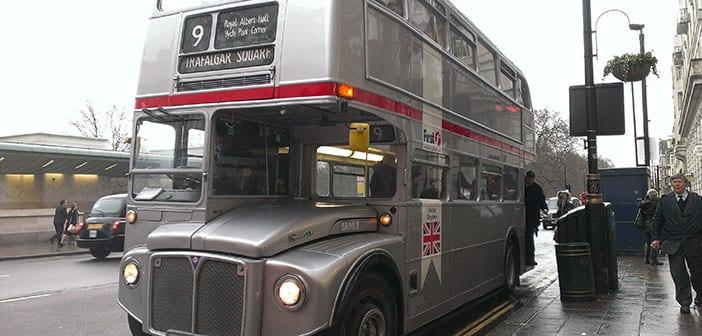
London’s transport system is one of the world’s most complex and multifaceted networks, offering a range of options from the iconic red double-decker buses to the extensive underground Tube network. The city is divided into nine travel zones with Zone 1 being the central area, and the network spans outwards to Zone 9. Understanding the layout is essential for efficient travel, whether you’re a first-time visitor or a seasoned commuter.
Finding accommodation in the heart of the city can be a strategic decision to minimize commute times and enhance your London experience. For example, staying at the park grand london lancaster gate hotel puts you within close proximity to several Tube stations, making it an excellent choice for those looking to take advantage of the seamless transport system.
The Tube, also known as the London Underground, is often the quickest way to get around, with 11 lines connecting the city. Buses offer a scenic alternative that can be equally efficient, particularly for short distances or routes not served by the Tube. The London Overground network, Docklands Light Railway (DLR), and National Rail services also play a significant role in the transport landscape, providing broader links across the city and beyond.
Understanding Transportation Fares and Budgeting Tips
London's transport fares vary based on the mode of travel, time of day, and the zones you pass through. Peak hours, typically weekday mornings and evenings, have higher rates. One of the most cost-effective ways to pay for travel is by using a contactless payment card or an Oyster card, which offers discounted fares and daily caps on spending.
Transport Type | Single Journey | Day Travelcard | Weekly Pass | Oyster/Contactless Cap |
|---|---|---|---|---|
Tube | £2.40 - £5.10 | £12.70 - £19.10 | £36.10 - £47.30 | £7.40 - £13.50 |
Bus | £1.55 | Not Applicable | £21.90 | £4.65 |
DLR | £2.40 - £5.10 | £12.70 - £19.10 | £36.10 - £47.30 | £7.40 - £13.50 |
Tram | £1.55 | £6.00 (with Oyster or Contactless) | £21.20 | £4.65 |
To budget effectively, estimate the number of trips you'll take daily and compare the costs of single fares against the price of a day or weekly pass. Visitor Oyster cards can also be a good option, allowing tourists to enjoy discounted fares and special offers across the city.
Insider Tips for Efficient Travel around London
One of the keys to efficient travel around London is to time your journeys wisely. If possible, avoid peak hours, which are typically from 6:30 am to 9:30 am and from 4:00 pm to 7:00 pm on weekdays. Traveling outside these times can lead to a far more pleasant and less crowded experience.
Step by step, here’s how to maximize efficiency on London’s public transport:
Plan your route: Use journey planning tools or apps to chart the most direct or least busy path to your destination.
Travel light: Carrying less means easier movement through stations and on the transport.
Use live updates: Check real-time travel information to avoid delays and disruptions.
Stand on the right: On escalators in Tube stations, always stand on the right so that those in a hurry can pass on the left.
Opt for off-peak travel: Save money and avoid crowds by traveling during off-peak times.
Remember to always carry your Oyster or contactless card with you, as ticket barriers require them for entry and exit. By following these steps and utilizing the robust network, you will find that getting around London can be a smooth and even enjoyable experience.
Mastering London's Maps and Mobile Apps
Decoding the London Underground Map
Venturing through the intricate network of the London Underground, commonly known as 'The Tube', can be daunting for newcomers. However, mastering its color-coded routes is the key to navigating the city with ease. Begin by identifying the station closest to your starting point and your intended destination. Look for the color of the line that passes through your station, and follow its path on the map until you reach your endpoint. Transfers between lines may be necessary, so keep an eye out for station interchanges.
To travel, you'll need a transport card or a contactless payment card. Both options can be easily obtained and topped up at stations, online, or in various retail outlets. Remember, there are special fares for children, so check if any discounts apply to your travel group.
Navigating Bus Routes with Real-Time Apps
London's iconic double-decker buses are not only a transport method but an experience in themselves. Equip yourself with real-time apps like Citymapper or the official TfL (Transport for London) app. These tools offer live updates, route optimization, and step-by-step journey guidance. Simply input your destination, and let the app suggest the best bus route, including any necessary transfers.
Here's a brief guide to using a real-time transport app:
Download your chosen app from the app store.
Allow location access to enable real-time updates and personalized route planning.
Search for your destination and review the suggested bus routes.
Make note of the bus number and the estimated time of arrival.
Once on the bus, follow along with the live map to track your journey.
Interactive Maps for Overground and DLR Services
The Overground and Docklands Light Railway (DLR) services complement the Underground system, providing additional routes above ground. Similar to navigating the Tube, utilize interactive maps available within transport apps to plan your Overground and DLR trips. These services often offer scenic journeys and can sometimes provide a quicker alternative to the Underground.
Here are key services in tabulated form:
Service | Key Destinations | Frequency |
|---|---|---|
Overground | Richmond, Stratford | Every 10-15 minutes |
DLR | Canary Wharf, Greenwich | Every 5-10 minutes |
Elizabeth Line | Heathrow, Abbey Wood | Every 15 minutes |
Night Services | Selected routes on Friday & Saturday | Every 30 minutes |
Integrating the Elizabeth Line into Your Journey
The newest addition to London's transport network is the Elizabeth Line. It stretches from Reading and Heathrow in the west, through Central London, to Shenfield and Abbey Wood in the east. Travelers can enjoy shorter journey times and a step-free experience. When planning your trip using interactive maps, the Elizabeth Line appears as a purple route, easily integrated with other Tube and rail services to reach your destination efficiently.
The Variety of Transport Options in London
A Closer Look at Bus Services in the Capital
As one of the most iconic symbols of the city, the Public bus in London offers a comprehensive network that traverses the entire capital, connecting numerous neighborhoods and landmarks. London buses are not only a cost-effective way to travel, but they also provide a distinct vantage point from which to sightsee. For seamless travel, residents and tourists alike often use a transport card, popularly known as an Oyster card, which can be topped up as needed.
Alternatively, riders can employ a contactless payment card to pay for their journeys, tapping in and out at the beginning and end of each trip. It's the same system used throughout London's public transport, ensuring simplicity and ease for all commuters.
The Rapid London Overground
The London Overground is a suburban rail network that provides crucial connections to areas outside Central London. It operates on a schedule that allows for frequent and rapid travel, oftentimes serving as an alternative to London Underground services. Commuting via the Overground can be an excellent choice for those living in and visiting the capital.
Docklands Light Railway: The Automated Innovation
The Docklands Light Railway, often referred to as the DLR, is renowned for its driverless trains and unique routes through the redeveloped docklands areas, including Canary Wharf. This automated system doesn't just function as a novelty; it's an integral part of London's transport tapestry, offering reliability and technological sophistication.
The Unique London Trams Experience
Rich in history and charm, the trams of London add a special touch to the public transport offering. While not as extensive as other forms of transport, trams serve areas in South London where other rail connections may be lacking. The tram also provides a smooth and comfortable ride, with the added bonus of less congestion than bus routes.
River Transport: Thames Clippers and More
The waterways of London present an alternative mode of transport via the Thames Cruises and Thames Clippers services. These boats not only provide efficient cross-river connections but also offer some of the best views of London's skyline. Whether it's for a daily commute or a scenic journey, river transport is a serene and picturesque choice.
Soaring Above: The IFS Cloud Cable Car
Adding a new dimension to London's transport options, the IFS Cloud Cable Car provides a unique aerial journey across the River Thames. Linking the Greenwich Peninsula to the Royal Docks, this cable car trip offers stunning panoramic views of the city. Though not the fastest transportation means, it delivers a memorable experience along with efficient connectivity between these key areas.
Linking Air to City: Transport Options from London's Airports
Airport | Transport Option | Approx. Journey Time to Central London | Cost (as of last update) |
|---|---|---|---|
Heathrow | Heathrow Express/Tube | 15-60 minutes | £5.50 - £22 |
Gatwick | Gatwick Express/Train | 30-60 minutes | £10 - £19.90 |
Stansted | Stansted Express/Bus | 45-90 minutes | £8 - £19 |
Luton | Train/Bus | 30-75 minutes | £10.50 - £15.50 |
London City | DLR/Bus | 22-50 minutes | £4.50 - £10 |
Traveling into London from its various airports is made easy with an array of options. The key is to select the method that best suits your budget and schedule. For comprehensive details on how to get to London from the airport, it's recommended to check the latest transport guides and timetables, as these can change with new services being regularly added.
Exploring Ticket Options and Savings
The Oyster Card: London's Key to Travel
Embarking on a journey through London can be both enthralling and daunting, but with the Oyster card, city navigation is rendered seamless and cost-effective. This smartcard is your all-access pass to travel on the Underground, buses, trams, and even some river services. The Oyster card offers travelers the ease of pay-as-you-go, with a cap on daily expenses, ensuring you never spend more than necessary.
Moreover, Oyster users enjoy lower travel fares compared to paper tickets. If you’re pondering about how to procure one, you can simply purchase an Oyster card online or at any Tube station. Registering your card also safeguards your credit, permitting you to claim back your balance if the card is ever lost or stolen.
Tap-In Simplicity: Contactless Payment Methods
The evolution of travel has ushered in an era of tap-and-go with using contactless on London Transport. If you're packing a tap-to-pay credit or debit card, smartphone, or wearable tech, you possess all you need to traverse the city. Contactless operates the same as the Oyster card, charging the best possible fares for your trips and setting a daily limit to your travel costs.
Contactless payment systems have revolutionized ease-of-use, allowing commuters to move quickly through turnstiles without the hassle of topping up or purchasing separate tickets, making it the go-to option for tech-savvy travelers and those seeking expediency.
Travelcards: The Ticket for Frequent Commuters
For those with a penchant for pre-planning and routine, a Travelcard is the optimal choice. Travelcards offer unlimited travel within various zones and come as either daily, weekly, or monthly passes. These passes can be loaded onto an Oyster card or purchased as paper tickets. Here's a useful comparison to help decide if a Travelcard is suitable for your London adventure:
Travelcard Type | Duration | Usage | Zones | Cost Savings |
|---|---|---|---|---|
Daily | 1 Day | Unlimited | 1-6 | Better for full day of travel across many zones |
Weekly | 7 Days | Unlimited | 1-6 | Ideal for tourists and short-term visitors |
Monthly | 30 Days | Unlimited | 1-6 | Optimal for longer stays or frequent commutes |
Paper Ticket | Varies | Unlimited | 1-6 | Good for those who prefer physical tickets |
If you're considering a Travelcard, purchasing is straightforward. Follow these steps to get yours:
Decide which type of Travelcard suits your needs.
Purchase from a Tube station ticket office, Oyster Ticket Stop, or online.
If you opt for an Oyster card version, you can load your Travelcard onto it.
Enjoy the freedom of unlimited travel within your chosen zones!
Visitor Oyster Cards and Tourist Passes
Are you planning a vacation to London? Then consider the Visitor Oyster card, a travel card specially designed for tourists. This version of the Oyster comes with additional discounts and offers at select London restaurants, shops, and entertainment venues. Tourist passes, such as the London Pass, include entries to major attractions alongside unlimited travel. These options not only streamline your travel but add value with exclusive deals that can enhance your London experience.
Whichever option you choose, delving into the eclectic and historic wonder of London with the right travel pass can be the key to an unforgettable journey, rich in sights and delightfully light on the wallet.
Savvy Tips for the London Commuter
Off-Peak Travel: Timing Your Journey for Savings
One of the simplest ways to save money on London's public transportation is to travel during off-peak hours. The cost of Oyster card fares drops significantly outside the morning and evening rush hours. Off-peak times are after 9:30 AM and before the afternoon rush, and after 7:00 PM. Weekends and bank holidays are also considered off-peak. By timing your journey to avoid peak times, not only will you save on fares, but you'll likely enjoy a less crowded commute.
Additionally, consider purchasing a Travelcard or using contactless payment methods, which cap your daily spending and can work out cheaper if you're making multiple trips in a day. The savings can be further amplified if traveling in groups, where GroupSave offers can be applicable.
Accessibility in London Transport: Facilities and Assistance
London aims to be an accessible city for all, and this is reflected in its transport options. Most Tube stations now feature step-free access from the street to the platform. Buses have low-floor designs and are equipped with ramps and dedicated space for wheelchair users. For those with invisible disabilities or conditions making travel difficult, the 'Please Offer Me a Seat' badge is available to make other passengers aware of your needs.
Cycling in London: Combining Public Transport with Bikes
Integrating cycling into your commute is a great way to stay healthy and reduce your carbon footprint. Many rail, Tube, and DLR stations offer bicycle parking, and Santander Cycles, London's self-service, bike-sharing scheme, is a cost-effective option available 24/7. Here's how to combine cycling with public transport in London:
Check for bike-friendly routes on your commuting path using TfL's online Cycle Journey Planner.
Find a station with bike parking facilities or a nearby Santander Cycles docking station.
Always lock your bicycle securely, or rent a Santander Cycle using your bank card.
Remember that non-folding bicycles are not allowed on many parts of the Tube, London Overground, and TfL Rail during peak hours.
Consider folding bikes, which can be taken on any public transport at any time, should you need to switch between cycling and riding.
Walking Routes: When to Opt for a Scenic Stroll
London's extensive public transport network may get you where you need to go quickly, but sometimes the scenic route on foot can offer a refreshing alternative. Not only is walking cost-effective, it can also provide health benefits and a new perspective on the city. Here's when to consider a stroll:
Reason to Walk | Benefits | Example Routes |
|---|---|---|
Beautiful Weather | Enjoy the outdoors and sunshine | Thames Path, Regent's Canal |
Short Distances | Avoid busy transport for short hops | Covent Garden to Leicester Square |
Exercise Goals | Meet daily step counts | Hyde Park circumference |
Cultural Experiences | Discover landmarks and hidden gems | South Bank walk, Spitalfields to Shoreditch |
Extra Advice for a Seamless London Experience
Etiquette and Safety on London's Public Transport
As one of the world's most bustling cities, London's public transport is a lifeline for locals and visitors alike. Embrace the unspoken rules: stand on the right of escalators, allow passengers off trains before boarding, and keep conversations and music to a low volume. It's also wise to keep personal belongings secure and to remain aware of your surroundings to ensure a safe journey.
Moreover, during peak hours, try to be as compact as possible to make space for everyone. If you're travelling with a backpack, take it off and hold it by your side to save space.
Dealing with Delays and Service Interruptions
Even the best-planned journeys can encounter delays. The key is to remain flexible. Utilize the Transport for London (TfL) website or app to check service statuses before you travel. If you find yourself caught in an unexpected disruption, take a deep breath and consider alternative routes or modes of transport like buses, bicycles, or even Thames riverboats.
If a major delay occurs and you're attending an appointment, a quick call to inform them of your situation is not only courteous but also sensible. Most Londoners understand as they've likely been in a similar situation themselves.
Preparing for London's Weather: Commuter Considerations
Season | Essential Items | Travel Tips |
|---|---|---|
Spring | Umbrella, Lightweight Jacket | Layer-up as weather can be unpredictable. |
Summer | Sunscreen, Reusable Water Bottle | Stay hydrated and avoid peak sun hours for long walks. |
Autumn | Waterproof Coat, Sturdy Shoes | Be prepared for rain and fallen leaves on walkways. |
Winter | Gloves, Scarf, Warm Coat | Start your day earlier to account for slower travel. |
London's weather can range from dazzling sunlight to sudden showers. Always have an umbrella or raincoat with you. Layers are your best friend due to the changeability of the British climate, even within a single day.
Navigating Nighttime Travel: 24-Hour Services and Safety
London doesn't sleep, and neither do some of its transport services. The Night Tube operates on several lines on Friday and Saturday nights, providing a reliable way to get back after a late outing. Buses also run through the night; however, do keep in mind that services are less frequent.
For safety during nighttime journeys, stick to well-lit areas and busy streets when walking, and try to travel with a friend if possible. If you prefer a cab, use licensed taxi services or pre-booked minicabs.