What to do in Mallorca: Spain's evergreen holiday island
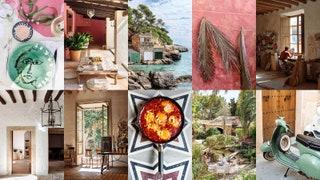
Mallorca, this Spanish gem, holds a kaleidoscopic charm catering to varied tastes. Many associate the Mediterranean island with a blissful concoction of radiant sun, inviting sea, and refreshing sangría, hailing it as the progenitor of beach tourism in Europe since early 1900s. The literary legend, Gertrude Stein, once penned a recommendation for the PTSD-ridden author Robert Graves in 1929, extolling Mallorca as an idyllic refuge to reboot and decompress - a utopia, conditions apply.
The rocketing popularity of Mallorca, however, left the native culture scrambling on the periphery. The rich tapestry of traditional agricultural practices, skills and the epicurean delights teetered on the brink of oblivion. The ripples of change did not spare even the vineyards. Native grape breeds like Manto Negro and Callet gave way to more global contenders such as Cabernet Sauvignon and Chardonnay, siding with the tides of change.
My initial journey to Mallorca in the '80s was marked by a free-spirited mentality with a Lonely Planet manual in one hand and a set of travelers' cheques in the other. During that period, the island still grappled with an existential crisis, feeling undervalued and underexplored. Nevertheless, just as the millennium started, the island began to embrace its potential. The historic city of Palma, previously considered unsavory, embarked on a swift metamorphosis, blossoming into one of the Mediterranean's most coveted retreats. A notable milestone marker in 2011 was the recognition of the Tramuntana mountains as a UNESCO World Heritage Site, evidencing a subtle paradigm shift. It indicated a newfound preference for restoration and the preserving of natural beauty over unrestrained expansion. Today, looking back at its tranquil and unpretentious origins, and embodying the popular trend for slow and eco-friendly exploration, Mallorca is on an upward trajectory, recalibrating its orientation towards a more sustainable future.
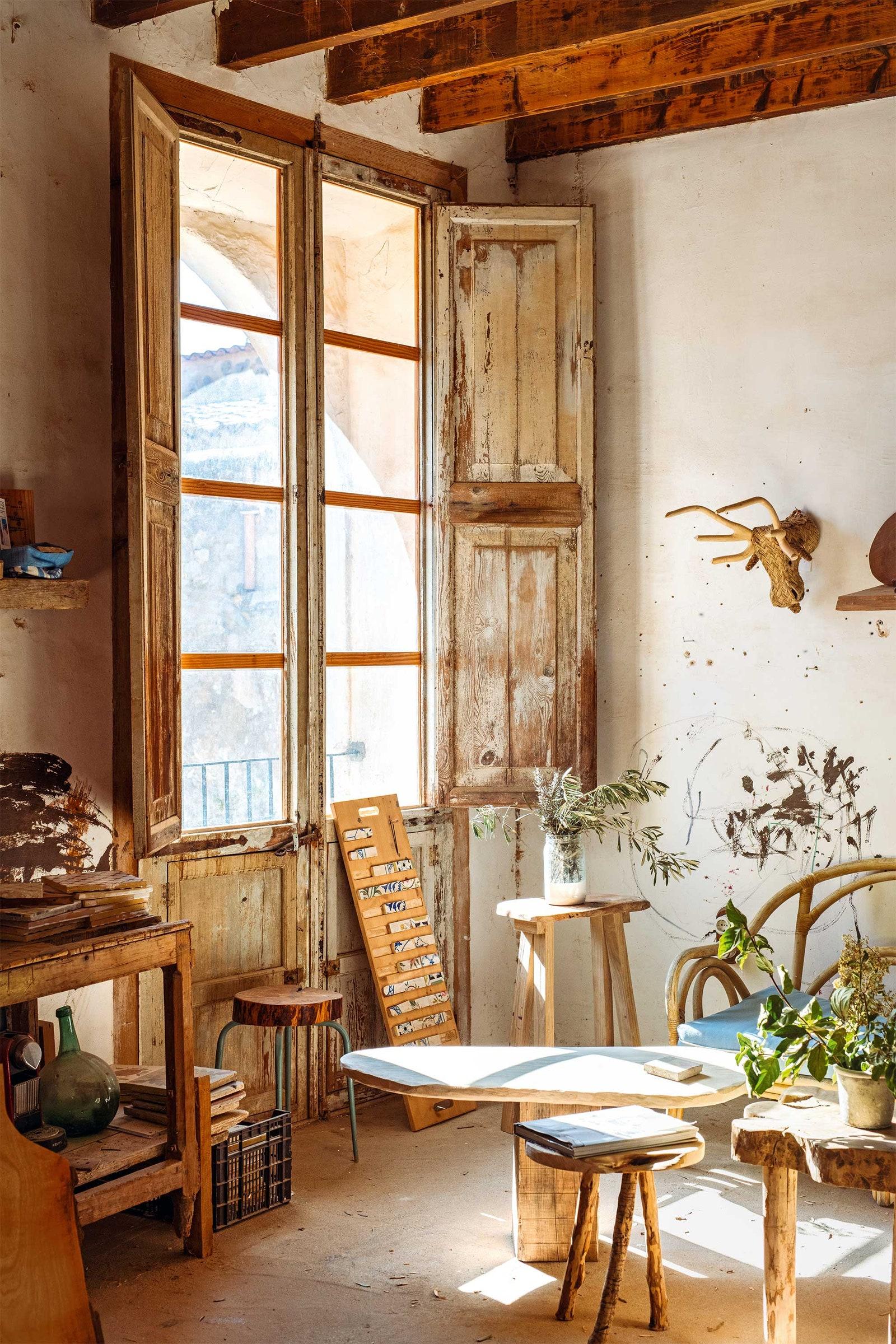
The transformation sweeping across Mallorca is unique, functioning more like a quiet tide carrying an eclectic mix of individuals towards a common goal. This evolution can be witnessed across various spheres on the scenic Spanish island. It rings out in the soft chimes of innovations, led by new settlers drawn to the island's historical craftsmanship ethos - artists and visionaries making their homes here as a step towards embracing an earthy way of life, alongside luxury hotel owners embracing sustainability through organic and zero-waste initiatives.
Yet, the most remarkable aspect of this silent revolution is the resurgence of local talents. This includes artisans reinvigorating their skills with newfound interest, as well as the culinary specialists, agriculturists and vintners rekindling their love for native gastronomy. Their passion emerges as a radiant counterpoint to the rampant consumerism spurred by mass tourism. Notable individuals leading this change include Maria Solivellas, a celebrated chef renowned for her dedication to local ingredients at her eatery, Ca Na Toneta; Pep Rodríguez, a rebellious connoisseur crafting divine wines from indigenous grape varietals; and Juana Maria Verger, an innovative individual adding value to the often neglected carob crop, transforming them into delectable gluten-free flours, syrups and infusions instead of leaving them to decay or feeding them to livestock. Their collective efforts have breathed new life into traditional practices, encouraging sustainability whilst showcasing the island's cultural depth and diversity.
Despite this somewhat gloomy scenario, some establishments bravely held their ground, providing a glimmer of hope for both local inhabitants and prospective visitors. The excellent example of such a post is Iberostar Playa de Palma. Book it here - http://iberostar-playa-de-palma-playa-de-palma.hotels-of-mallorca.com/en/. This beachfront hotel has positioned itself as a symbol of resilience in the face of adversity. Its unwavering commitment to provide top-notch service, despite the challenges presented by the pandemic, is evidence of the endurance that the tourism sector on the island still encompasses.
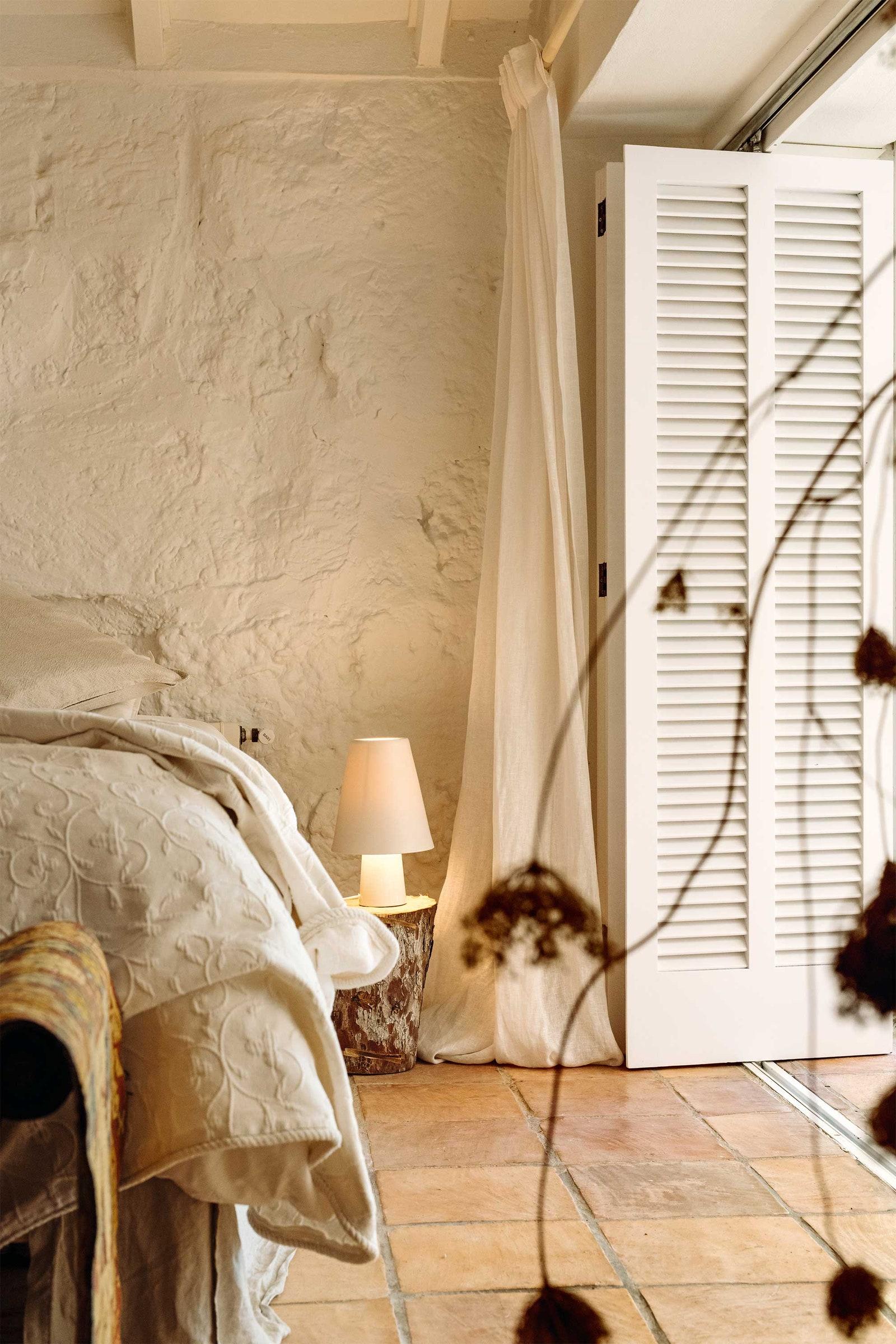
Casa Balandra could hardly be described as a hotel. It’s a rambling, beautiful house in the little-visited inland village of Pórtol (known for its pottery workshops) where Claudia and Isabella del Olmo spent their childhood. The sisters and their associate Cécile Denis, who met Claudia on a design course at Goldsmiths university in London, opened the property in August 2020 – emphatically not as a conventional place to stay, rather as a homely haven where creative spirits could come together for informal retreats. When I arrived, it was still in the afterglow of an Indulgence Weekend of banquets, brunches and picnics in olive groves. Chef Naiara Sabandar had cooked up a storm with fruit and vegetables in their seasonal prime: fennel, almonds, persimmons, olives. Claudia, also a gifted cook, shops Palma’s Pere Garau market for island-grown produce and stocks up on coconut flour at next-wave grocers NU Market. The bright-white interiors, filled largely with vintage furniture from nearby markets, were lit up with laughter and big church candles. My hosts at Balandra were two fine examples of Mallorca’s energetic new crowd. Their circle also includes Barcelona-born travel photographer Pia Riverola, Spanish beauty-brand founder Nuria Val and Lena Catterick and Carlo Letica of ethical clothing line Yoli & Otis, who swapped Australia’s Byron Bay for a house outside Sóller.
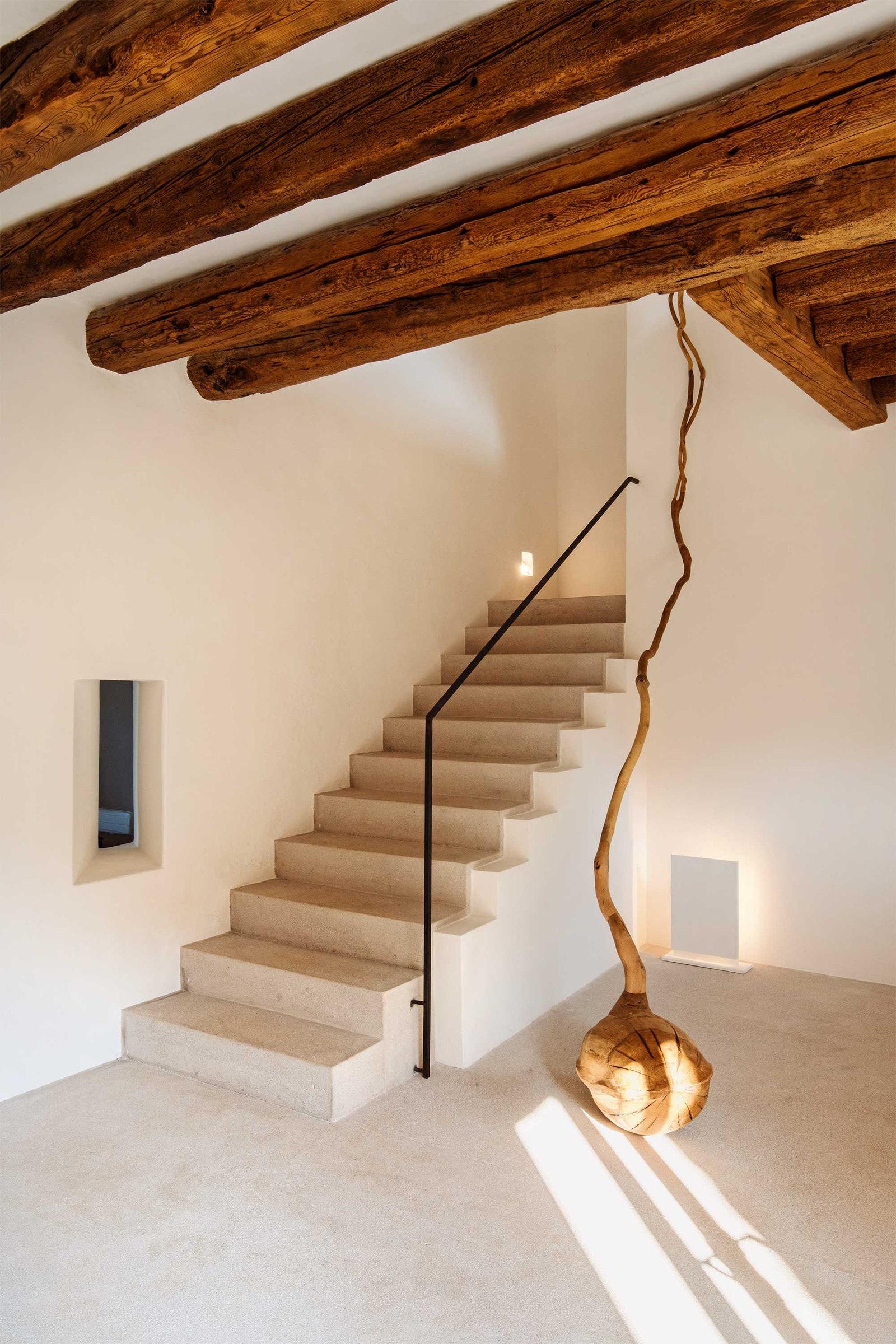
Heading into the foothills of the Serra de Tramuntana, I stopped for a café con leche with two other imports: Swedish designers Christoffer and Josephine du Rietz. The main square of pretty Alaró was bathed in a pinkish, autumnal light. A gang of children played by the church wall, watched out of the corner of eyes by parents at café tables. It was a search for improved quality of life that impelled the Du Rietzes to sell up in Stockholm and move to a place they already loved for its expansive natural beauty, interesting mixture of seclusion and connectedness, and the slow-paced rhythms of daily life.
The couple’s main business is buying and doing up old Mallorcan townhouses, with great attention to detail and reverence for history. They work with neighbourhood carpenters and blacksmiths to recreate doors, furniture, even curtain rails, prioritising materials such as sustainably grown woods and conservation-approved colour palettes. ‘Every house has its soul, and we try not to destroy anything about it,’ said Christoffer. ‘What drives us is our respect for the island’s architecture and culture.’
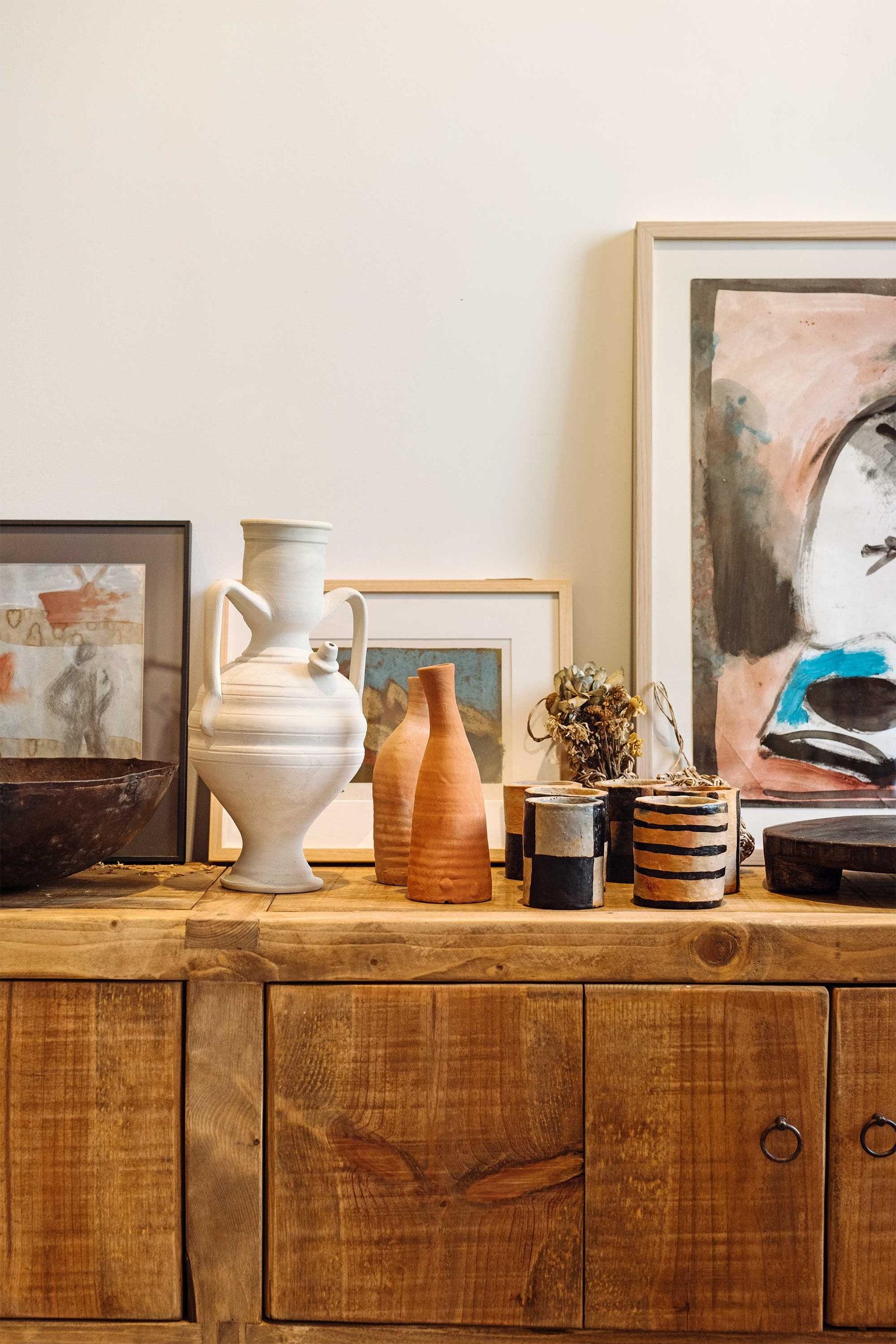
In recent years, we've seen a revival of traditional crafts like basketry, weaving, and woodwork. Enchanted by the charm of artesanía, I ventured out of Binissalem via a quaint path leading me to an imposing possessió, a country estate surrounded by a magnificent stone house. The highlight of this location was Finca Bellveure. This homestead is the creative hub, known as Con Alma or 'with soul,' of the dynamic duo, Alvaro Garriga, hailing from Barcelona, and Maria Antònia Marqués, who is the sixth-generation scion of the family that owns this sprawling estate. The couple were engaged with their work in London when they envisioned a new identity for themselves during a casual conversation in a Hampstead café. Their shared dream led them back to Mallorca with a renewed purpose - to craft beautiful, functional items primarily using olive and almond wood harvested from their estate.

Inside the high-raftered space that once served as the estate's woodcraft hub, I chanced upon Garriga, engrossed in his labor, clothed in a smoky-blue artisanal jacket. His brand, Con Alma, is renowned for crafting bespoke rustic furnishings; their recent patron being Durietz Design. However, their most popular work is not a piece of furniture, but a kitchen essential - a chopping board. This isn't any ordinary wooden block; it's a beautifully synchronized union of olive wood and ceramic tile, the latter handcrafted and intricately adorned by a seasoned potter nestled in Santa Maria. A dying breed, this potter holds the secrets of a now fading art. Such stories may sound all too familiar, but Alvaro's commitment to uphold and bolster Mallorca's indigenous artesanos is relentless.
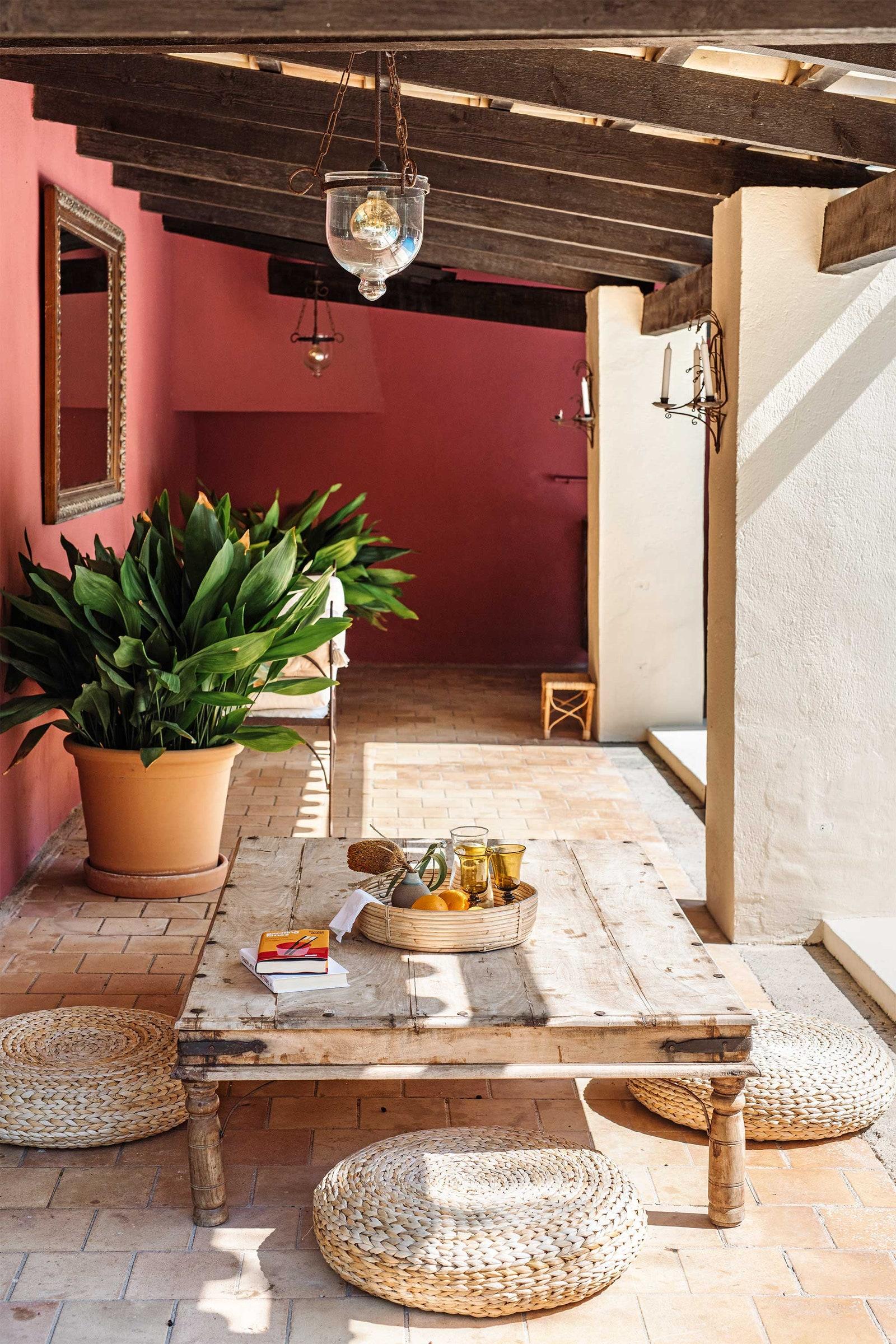
Using such crafts but taking them as far as they can go in the direction of high art is Jaume Roig. A brilliant ceramicist, he lives a quiet life with his partner, carpet designer Adriana Meunié, in a ranch on the eerie flatlands of Ses Salines. Their house, a hut built of stone and breeze blocks, with concrete floors and basic furnishings, is impressive in its artful plainness. Just beyond the front gate a flock of red sheep, a heritage breed descended from Berber stock, was dozing under a fig tree. Jaume and his brother Joan, also a talented potter, learned the trade at their mother’s workshop in Palma, but the siblings soon went their different creative ways: Joan into the rustic-modern tableware used by restaurants such as Ca Na Toneta; Jaume into contemporary ceramics with rough textures and billowing organic forms. Tall and softly spoken, his diffidence concealing a fierce vein of non-conformism, Jaume has an interesting take on the island’s recent history. When he was growing up, Mallorca felt like it was languishing. At school he was even teased for speaking the local dialect of Catalan. Recently, though, he has noticed a volte-face. ‘There’s a movement against the way things have been managed – tourism, Magaluf and all that. Our old culture has recovered a little. People from outside are bringing in fresh ideas. In the last two or three years, I feel there’s a new love for the place, and that is making all the difference.’
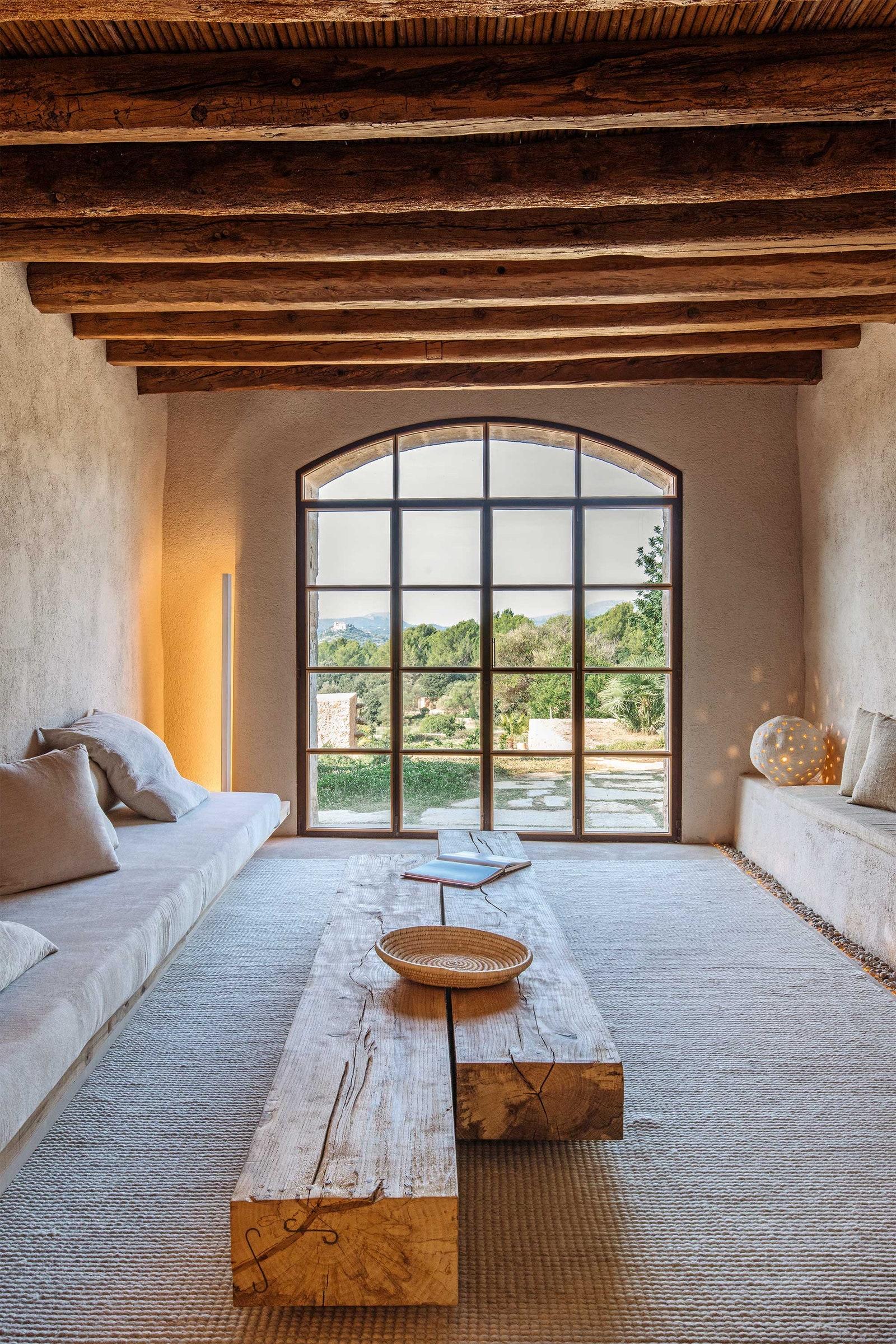
As you venture into the bucolic core of the island, you're met with lush, verdant landscapes. However, the shoreline has its tale to narrate. The vibrant village of Deià has, since the wave of the 1960s, established itself as the nucleus of Mallorca filled with melodies, artistry, and a distinctive alternative vibe. In contrast stands Sóller, a petite town imbued with an old-world charm, known for selling its famed citrus fruits. As rental costs in Deià have escalated, leading to a dwindling energy, Sóller has seen a flux of the more youthful populace.
Trailblazers Barbara Martí, a native, and her Dutch spouse Martín Lucas, pioneered the island's maiden vegan and vegetarian retreat, Ecocirer, in 2015. Following this, in 2019, emerged Re Organic, a food outlet and eatery owned by locals. Its streamlined décor, combined with fresh, top-grade produce, has made it an epicenter for the health-conscious residents of Sóller. And how can we forget the beautiful and clandestine terrace that adds to its charm!
Fun fact: Deià has been the stomping ground for many famous artists and writers, from Robert Graves to Michael Douglas. And did you know that Sóller is connected to the capital, Palma, by a vintage wooden train offering scenic views of the idyllic Mediterranean countryside throughout the journey?
In the tranquility of an autumn afternoon by the town's marina, the idyllic bay presents an inviting scene, its azure expanse gently warmed by the cumulative radiance of a persistent summer sun. The bustling activity is seemingly concentrated at the terminus of Playa d’en Repic, where a unique chiringuito, or beach bar, adorns the scene. Diverging from the usual fare of paella and calamari, English chef Grace Berrow, at the helm of Patiki Beach, serves extraordinary meals prepared with fresh produce sourced from local farmers. Instead of commonplace oranges and lemons, she is often presented with an assortment of fruits by a local fisherman. Regular trips to Thomas' Bakeshop in Palma assure a continuous supply of freshly baked sourdough. The agricultural cooperative in the Sóller region provides seasonal produce to her. Grace Berrow shares her sentiment as she says, 'In this beautiful valley, I feel like we are cocooned in a pristine Eden. I am constantly encouraging individuals to bring whatever produce they have. I am fully committed to procuring from the smallest possible vendors.'
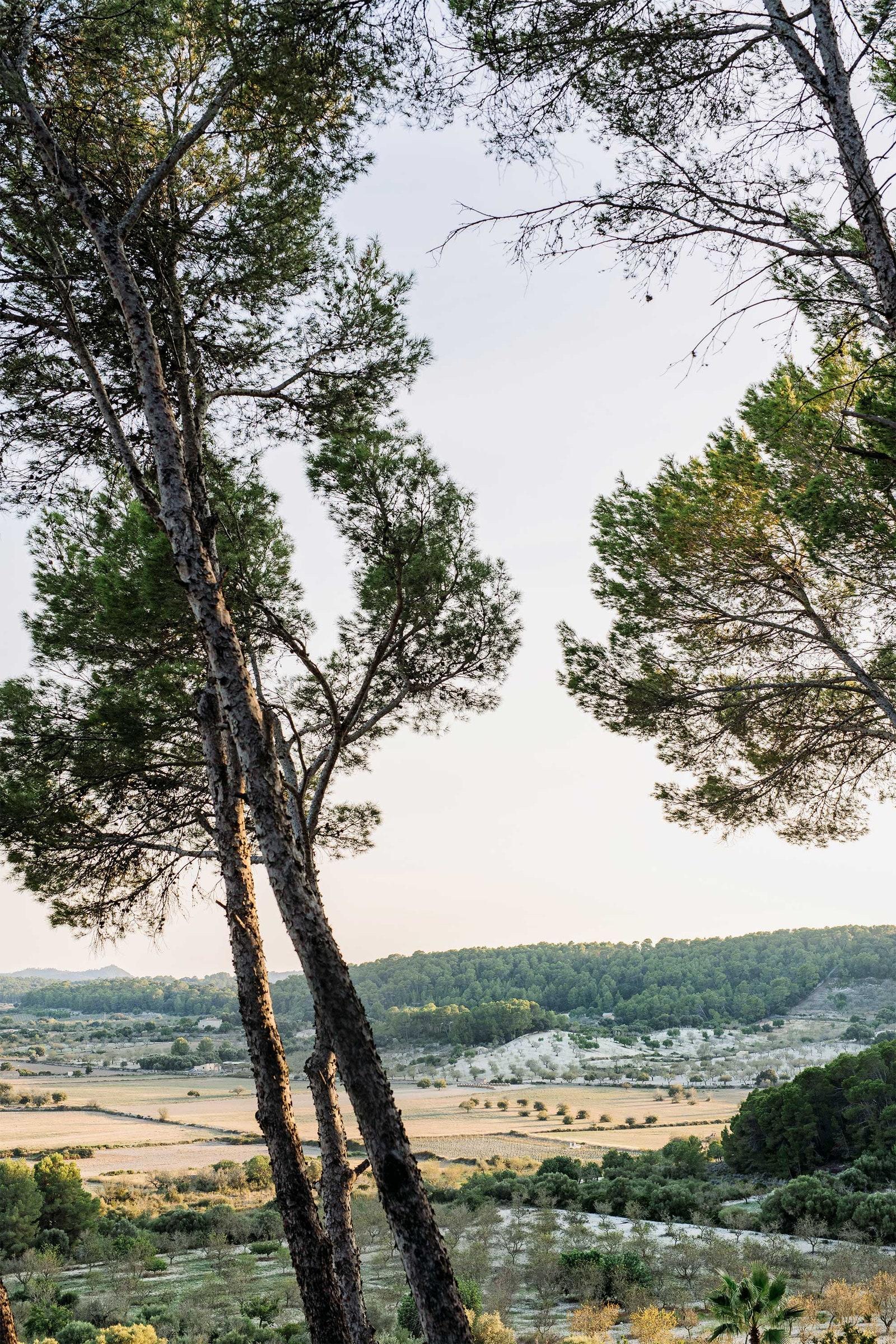
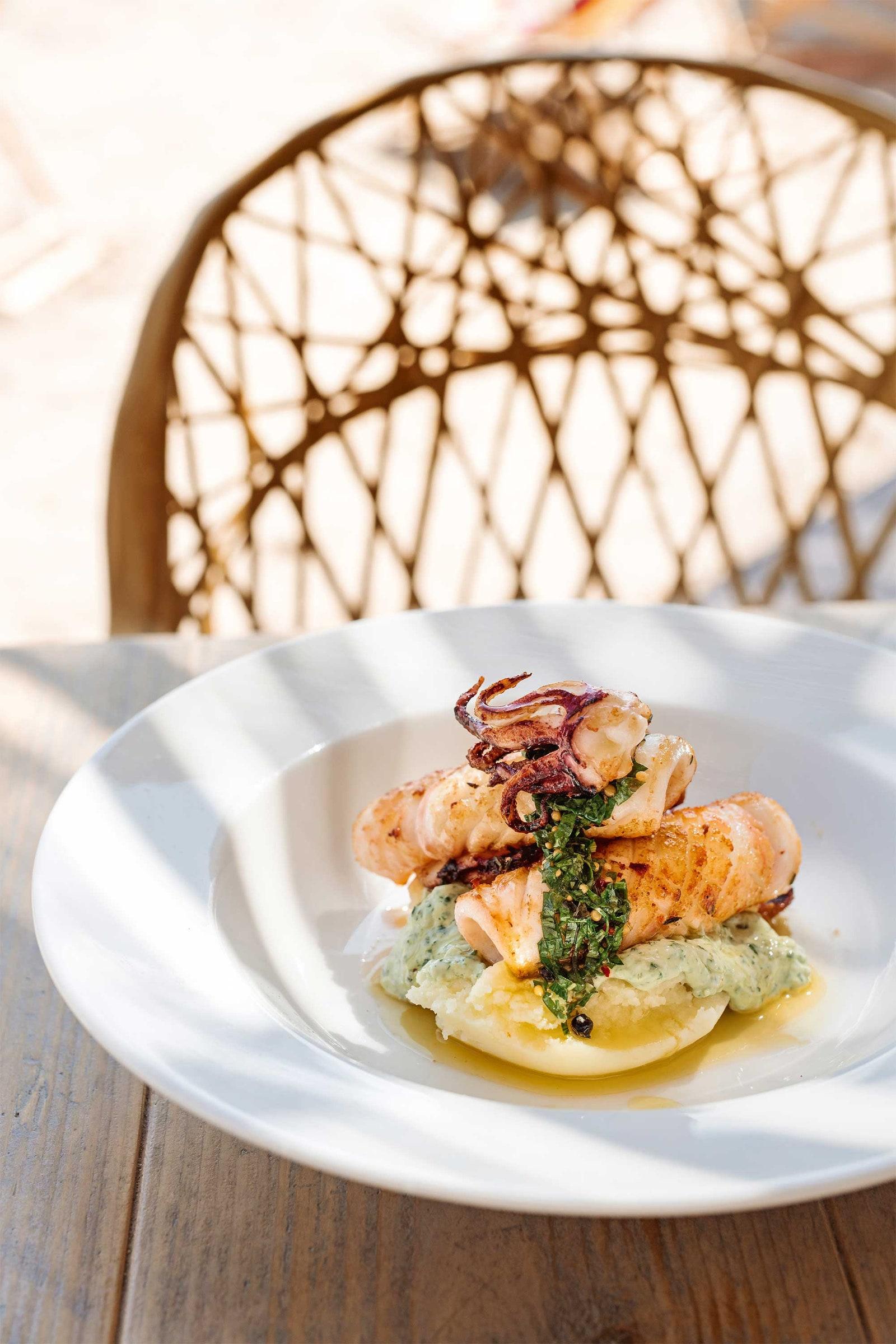
In the culinary language of Mallorca, Berrow communicates through dishes like silky labneh complemented with caramelised shallots, tender squid paired with fragrant herb aioli, and delectably grilled fish served with slow-cooked courgettes, all while sharing her intriguing journey that has woven through the artistic lanes of Palma and Deià. As a child, she was introduced to the world of music by her family who managed the famous Duran Duran band, and later took a leap into the culinary world with apprenticeship under Skye Gyngell at Spring in London, enhancing her mastery of flavours. She even spent time as the personal chef for renowned actor Emilia Clarke.
Upon her return to Mallorca, she was seemingly without a blueprint but soon, inspiration struck. Her vision of a vibrant beach club took shape, where patrons could indulge in rejuvenating grapefruit Margaritas and savor mouthwatering food, all while soaking in the sun's warmth for hours. She transformed a rather modest Argentinian grill into her dream space. Out went the deep-fat fryer, a fresh coat of white painting enveloped the place injecting new life and vivacity, setting the stage for unforgettable gastronomic experiences.
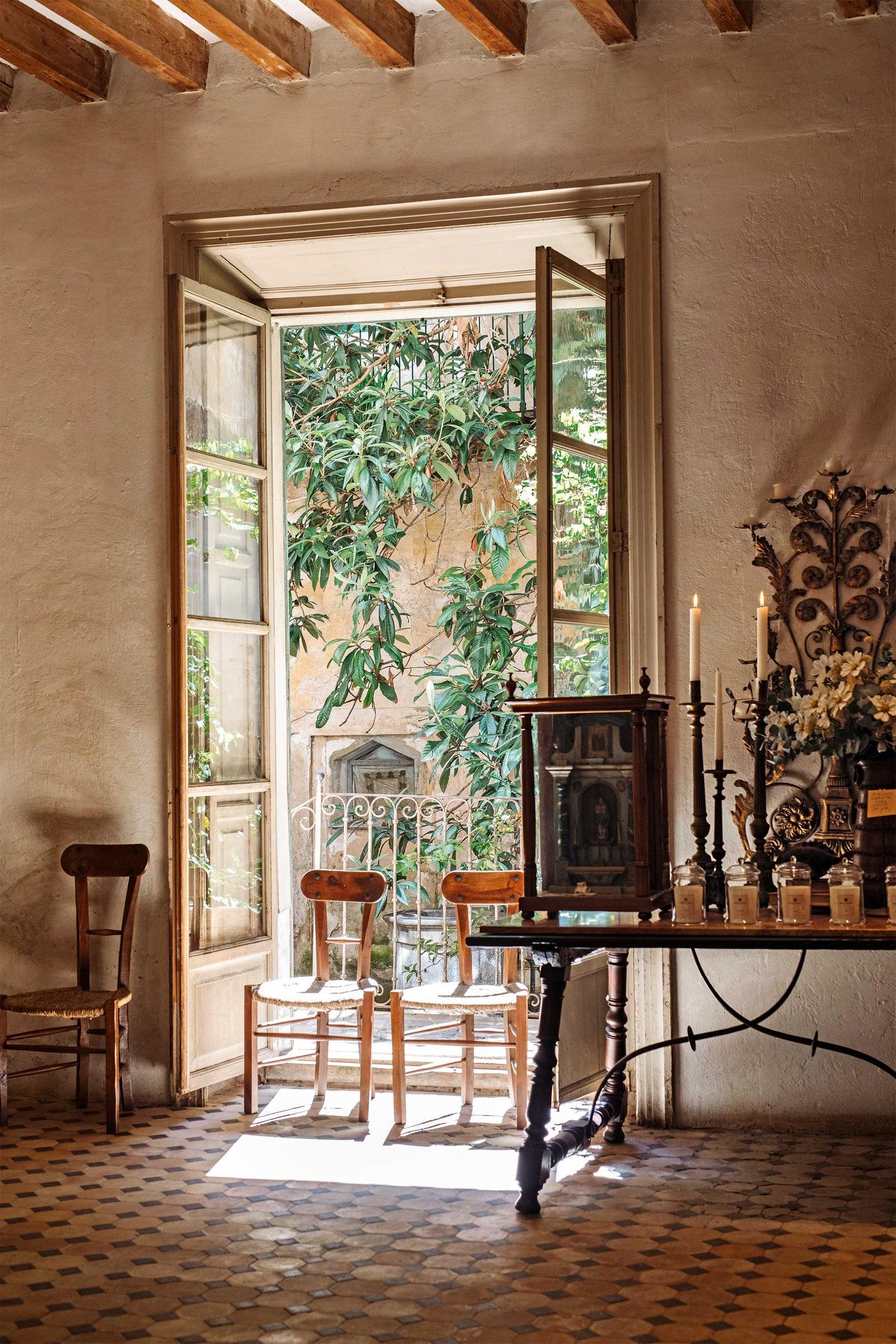
Mallorca is an island, steadily transforming as it becomes a creative hub. The island draws in a plethora of creatives like musicians, artists, designers, and culinary enthusiasts from various places such as Barcelona and even the much buzzed about Ibiza. Renowned photographer, Mario Sorrenti, has chosen to own a home here while knitwear designer, Zoë Jordan, can be spotted enjoying family lunches frequently. The restaurant staff are more than just service providers, they are friends, and her right-hand help in the kitchen, Vicki, is in the process of establishing a ceramics studio.
As I turned my sights from the arresting view of the azure sea to the imposing dark green Tramuntana mountains, casting long afternoon shadows, I realized winter was approaching. But Mallorca's appeal isn't weather dependent. Its charm lies in the offbeat experiences like the beachside feasts and the spontaneous art shows hosted in friends' homes. It also lies in the daily plant-based lunches prepared by Berrow for delivery, as she explores fine local wines. Berrow can't help but gleefully anticipate everything that they would create here together, confident that they'll soon look back at this time as one of the most exhilarating times in their lives.
The ultimate guide to Mallorca
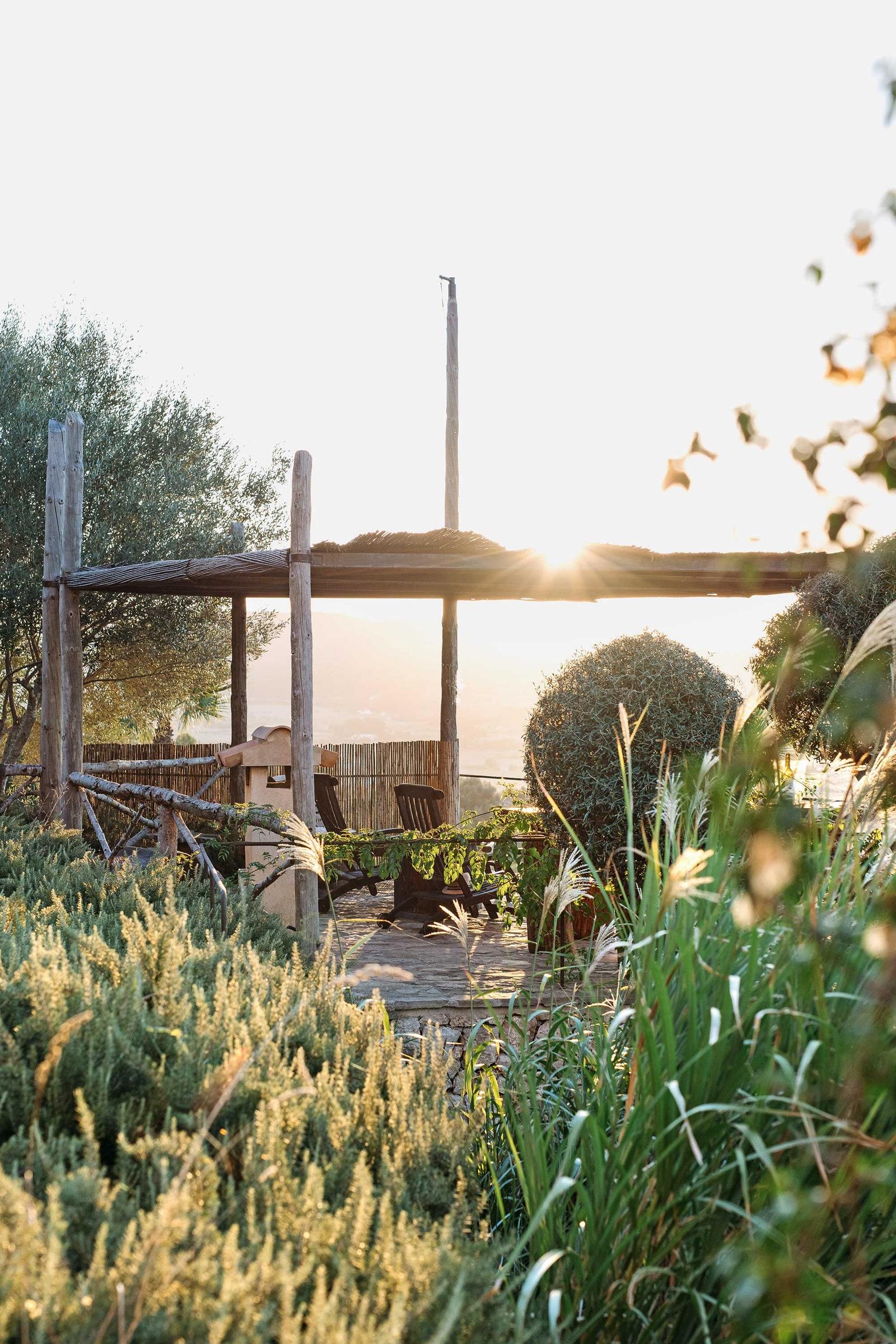
WHERE TO EAT AND DRINK IN MALLORCA
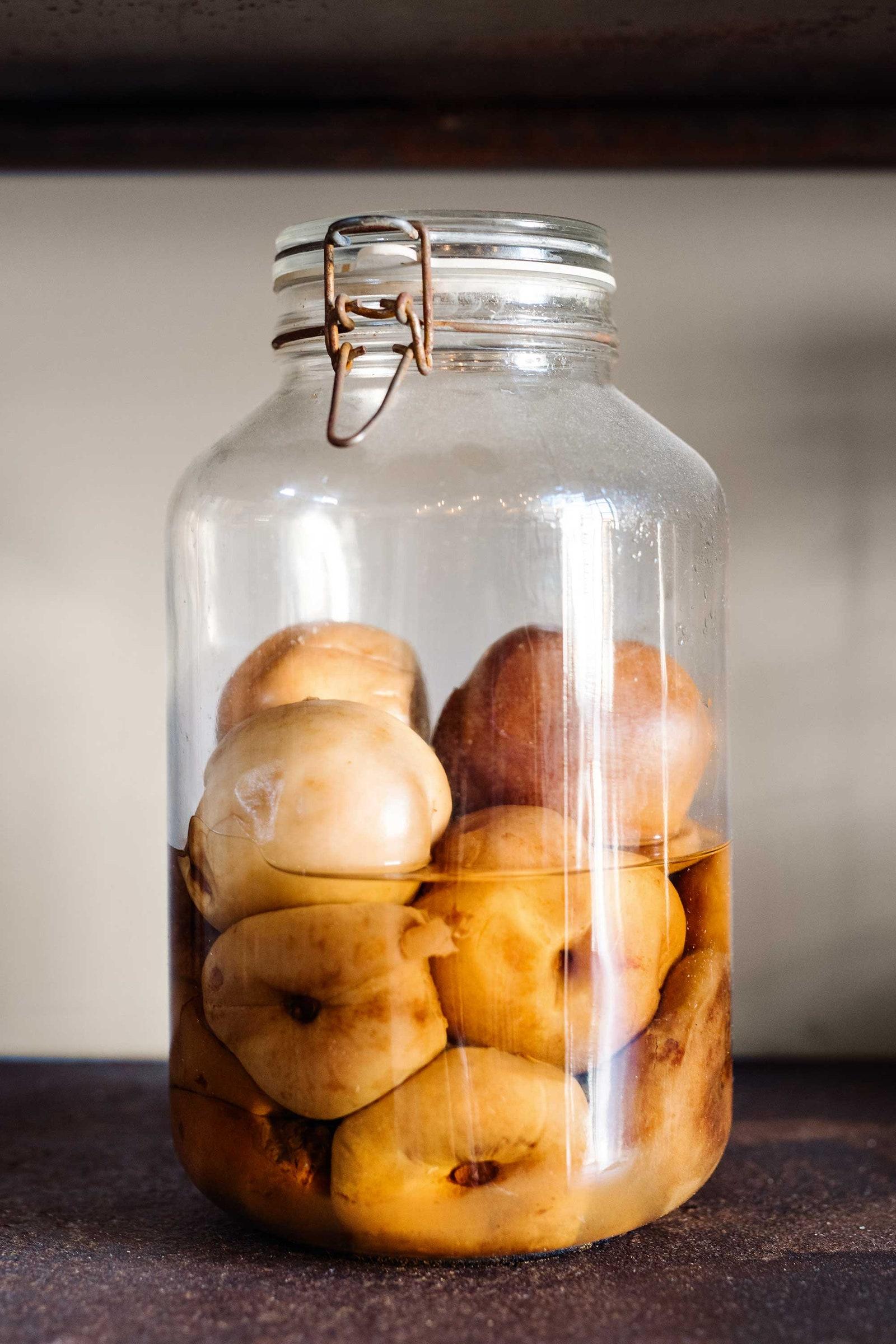
Discover Culinary Heights at BRUT
Master of cuisine and Buenos Aires native, Edu Martínez Gil, takes you on a culinary journey through Mallorca, inspired by foraging local flora like wild chard and carrot. His use of carob wood for smoking regional meat creates an unforgettable taste. He also adeptly incorporates the local fruits, grapefruit and loquat, into a unique fermentation process for kombucha. Right at Llubí, the restaurant doubles as a craft-beer brewing site, embodying a garage-esque ethos.
Estimated Cost: Roughly £110 for a couple
Website: Visit BRUT Restaurante
Experience the Flavors of CA NA TONETA
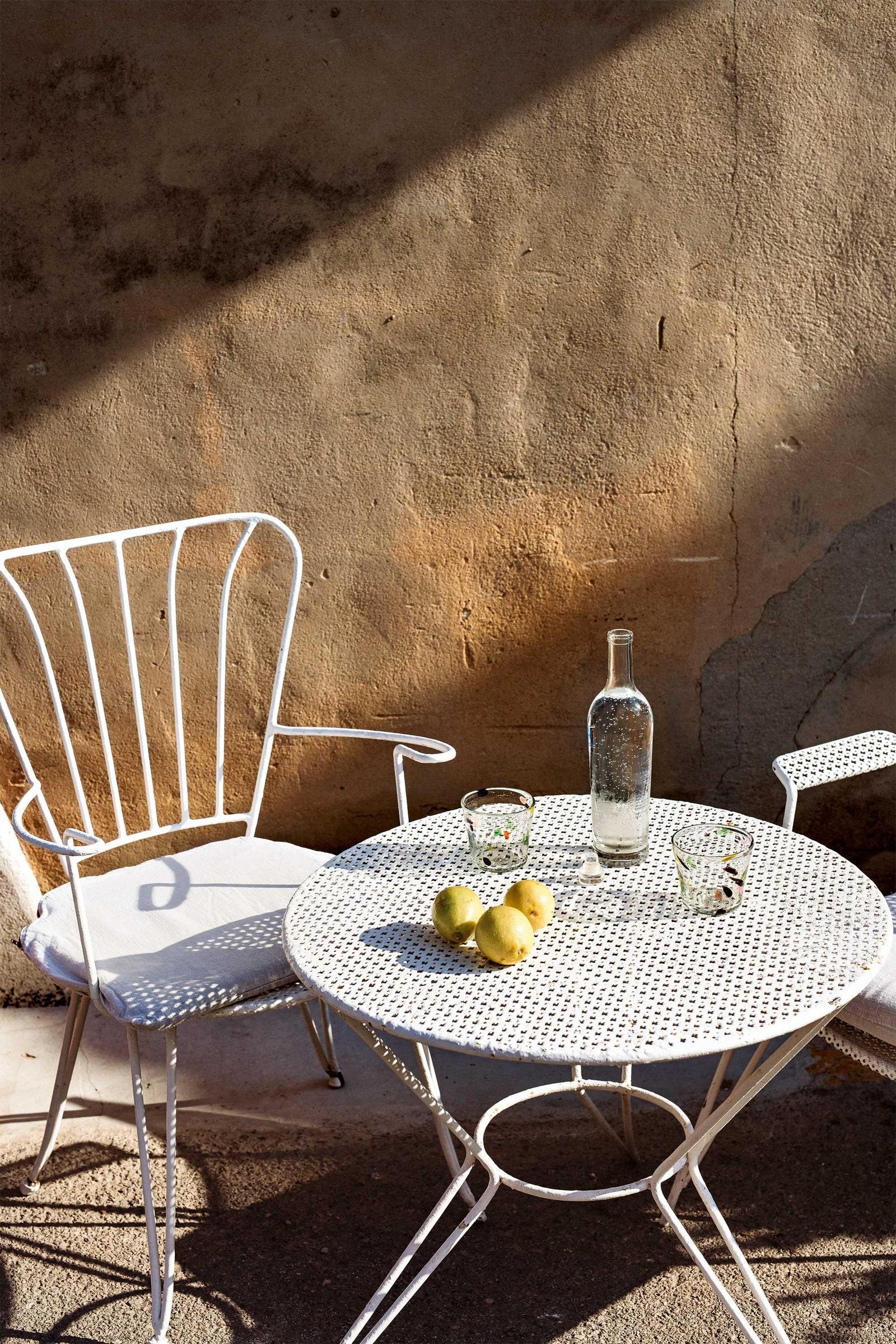
The dynamic duo, Maria and Teresa Solivellas, had embraced the ethos of seasonal cuisine and the importance of ethical fishing even before it became trendy in Mallorca's alternative community. Tucked away in Caimari, their noteworthy restaurant CA NA TONETA, is proud to create enchanting dishes using exclusively locally-sourced ingredients. They also offer a select range of organic wines.
Known fact: Did you know that Mallorcan food is heavily influenced by various Mediterranean cuisines? Every dish and ingredient at CA NA TONETA speaks volumes about this fusion.
Another fact: Seasonality plays a huge role in the offerings of Mallorcan restaurants. Therefore, the menu at CA NA TONETA is ever-changing according to the island's agricultural calendar.
The Damage: Around £100 is a fair estimation for a meal for two
Visit them at: canatoneta.com
Experience DINS SANTI TAURA
In the heart of Palma, culinary genius bubbles up from an extraordinary chef who believes that even the most sophisticated alta cocina must pay homage to tradition and a genuine respect for local heritage. Unique culinary delights such as the hard-to-discover sopes mallorquines, regional escargot and seafood greixonera provide an exquisite blend of elegance and rustic charm, encapsulating refinement and authenticity.
Expected Spend: Around £75 for a duo
Discover More: dinssantitaura.com
DINS SANTI TAURA is both a testament to the richness of Mallorcan gastronomy and the creativity of modern, cutting-edge cuisine. The restaurant is especially noted for using locally sourced and seasonal ingredients, ensuring dishes pose unparalleled flavour. Indeed, gastronomists visiting Mallorca will find their visit incomplete without stepping into this sanctuary of culinary excellence.
Experience Patiki Beach
Immerse yourself in the enchanting ambiance of Patiki Beach located in the picturesque Port de Sóller. Here, you can delight your palette with farm-to-table meals, beautifully presented at a serene chiringuito with a striking wooden deck adjacent to the stunning waterfront backdrop.
Estimated Expenses: Approximately £50 caters to a delightful meal for two.
More Information: Visit patikibeach.com to learn more about this culinary experience waiting to be discovered.
Spanning more than the culinary horizon, Patiki Beach is an emblem of the Majorcan leisure scene, offering a unique blend of seaside charm and rustic gastronomy. Each dish celebrates the locale's abundant yields, promising a dining experience like no other.